25 March 2017

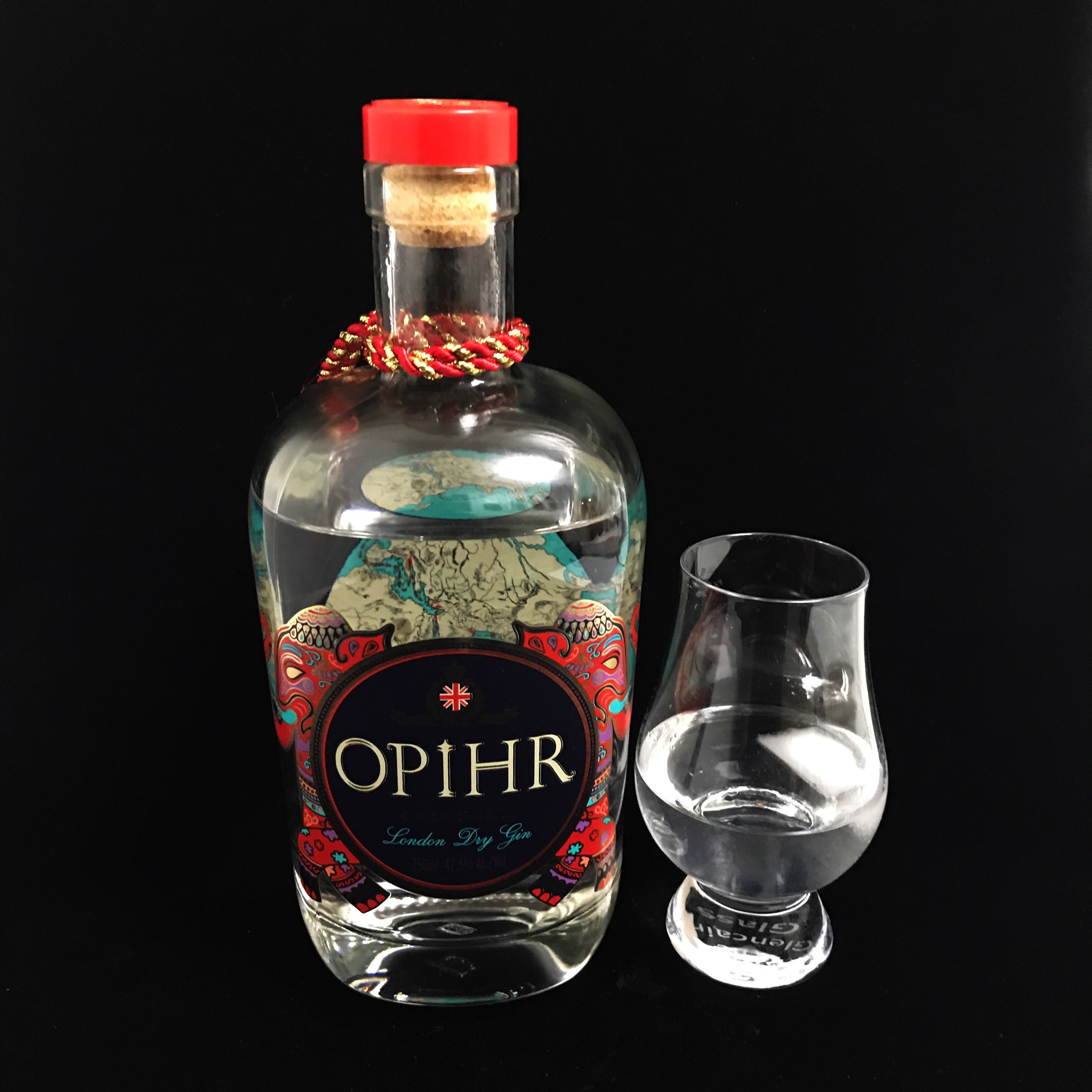
From the bartender’s corner – Gin #7: Opihr Oriental Spiced Gin

Very interesting gin. The brand is built around the Oriental touch. The bottle is decorated with Oriental themed pictures and designs – for example, elephants. Many of the ingredients are sourced from countries along the Spice Route. The spicy cubeb berries come from Indonesia and Malaysia, the black peppers, cardamoms and ginger all come from India, coriander from Morocco, cumin from Turkey and the bitter oranges from Spain. The staple of all gins – juniper is sourced from Italy and angelica comes from Germany. It also has grapefruit peels but I could not find out the source during my research.

These all are put thru the distillation process by master distiller Joanne Moore in G&J Distillery in Birchwood, England. This is renowned to be the second largest distillery in England and they claim to be the oldest. They have been using the same London Dry Gin method since 1761.

I tried this straight up. On the nose the junipers and cardamom were immediately noticeable. The citrus made it presence felt too. On the palette, the juniper was once again felt as was the spiciness of pepper. The finish included traces of orange and what appeared to me as most likely berries.

This should work well with since tonic water (try Fever Tree Indian tonic water) or in classics like a Negroni or a London Fog.

22 March 2017

That was a very cold run in Ohio

With winter being as warm as it was this year, I almost forgot how cold it can get even this time of the year. It was 25 deg Fahrenheit and then 14 miles per hour wind made the windchill temperatures of 15 degrees F early in the morning in Dayton, Ohio.

Partly because of the cold weather (I just wanted to get it over with) and partly due to the complete flatness of the terrain, that was a quick 5K in 25 minutes by the Great Miami River.

Category: Running | LEAVE A COMMENT
20 March 2017

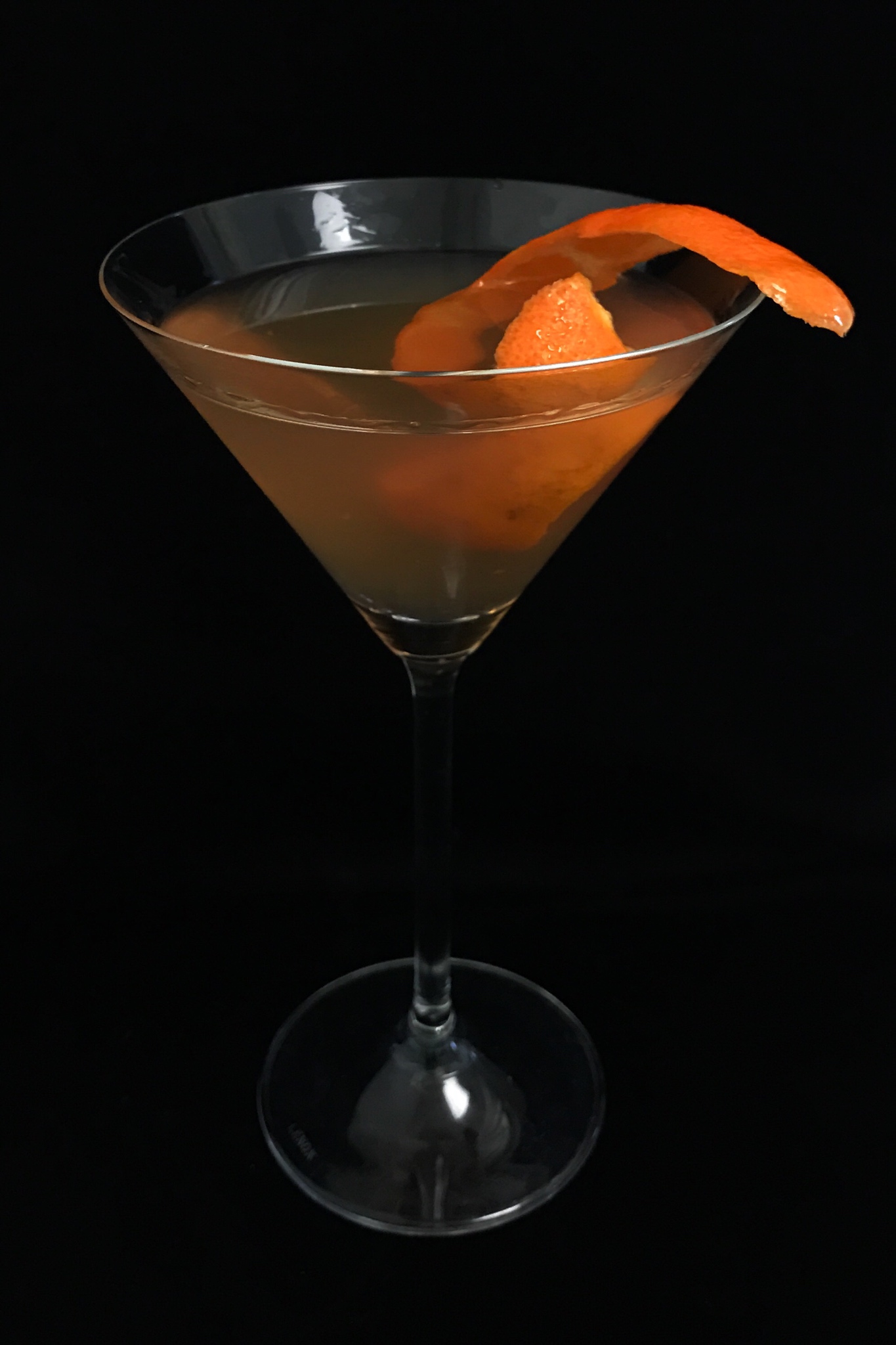
From the bartender’s corner – Orange bloom

This cocktail is made with Cointreau, Sweet Vermouth and Gin. I, of course, experimented with the German Gin – Monkey 47. So that cocktail was pretty much a concoction of a German alcohol, a French liqueur and an Italian liqueur. Should have had an Alpine name!

While the cocktail itself was great – especially for anybody who likes orange, the Monkey 47 struggled mightily trying to stay above the strong orange nose and finish from the Cointreau. I am more or less convinced that Monkey 47 is so complex, it is best taken straight up (or on the rocks). I would not even bother it with tonic water.

19 March 2017

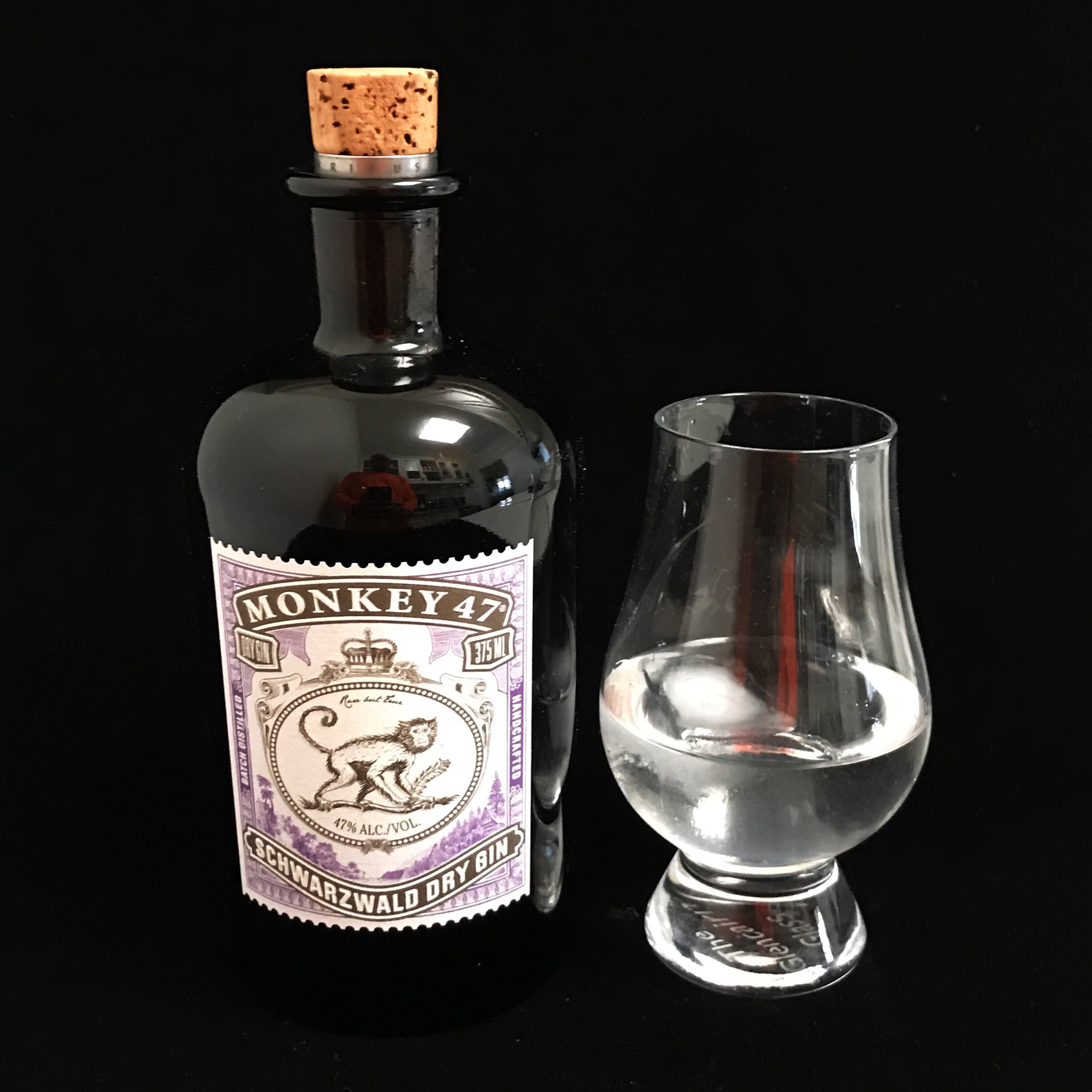
From the bartender’s corner – Gin #6: Monkey 47 Schwarzwald Dry Gin

This is definitely one of the costlier gins – if not the costliest. For a bottle half the size (375ml), you pay about twice the price of normal gin bottles. It is also one of the few German gins. This also has the distinction of having the largest number of botanicals in the gin. 47, to be precise. That explains the “47” part of the name. (It has nothing to do with the ABV content of 47% – 94 proof; that is a mere coincidence).

To get to the other part of the name – “Monkey” – one has to go back to 1945. The Second World War had just come to end. An Indian born, British Royal Air Force Commander – Commander Collins was sent to divided Berlin to overlook reconstruction. At that time, he had adopted an egret monkey in the Berlin Zoo called “Max”. Commander Collins created a new gin out of the botanicals he had learnt about in India and the ones available in the Black Forest area in Germany. He called it “Schwarzwald Dry Gin”. It was not very popular outside of the guesthouse that Collins owned.

Much later – in 2006, one distiller Alexander Stein discovered about the story and reconstructed the recipe. And then the name Monkey 47 was given – in deference to Commander Collins’ affinity for Max.

This gin is made by Black Forest Distillers in South West part of Germany not too far from the French border.

The gin itself is extremely complex. Here is another unique trait of this gin. The base alcohol is made from molasses. I had it straight up today. The nose is very rich – thanks to all those botanicals. The juniper, rose and lavender is very distinct. To the palate, initially it was all mint and juniper. As time went though, you could detect some more herbals – different berries, pepper and peppermint. Of 47 botanicals, I was probably able to detect no more than six or seven. The finish was strong in citrus.

If you have tried different kinds of gins, you may want to try this. If you have not, this may not be a good buy. For one, it is too pricey for no good reason. For another, my guess is if you use it for a cocktail, you cannot find much difference between this and Nolets or even a Vivacity. Unless you have a far superior ability to detect small traces of other herbals.