17 October 2014

Forgot who the original poet was…

This has been morphed and modified multiple times over the decades. It is part of the qawwali “Yeh jo halka halka” made memorable by Nusrat Fateh Ali Khan’s rendition

“Main ne un ke saamne awwal ka khanjar rakh diya
Phir kaleja rakh diya,
Dil rakh diya,
Sar rakh diya,
Aur arz kiya ke:
Ab mere baad kisko sataaogey?
Mujhe kis tarha se mitaaogey?
Kahan jaa ke teer chalaaogey?
Meri dosti ki balaayen lo
Mujhe haath utha kar duaaein do
Ke tumhein ek kaatil bana diya”

Very rough translation:

In front of her, I first laid down the dagger
Then I laid down my heart
Then my soul
Finally I laid down my head
And asked:

Now, who are you going to torture after me?
How are you going to take me out of your life?
Where will you go to aim your arrows of glances?

Someday you will value my friendship
And lift your arms in thankfulness
That because of me you became the most charming killer.

(the last line might be alternatively interpreted to refer to her killer instincts)
21 September 2014

Throttling back…

Stiff cocktail, bright sun, poolside siesta and Nusrat on the Beats…

“ae fana shukr hae, aaj baad-e-fana,
ussne rakhli mere pyaar kee aabruu,
apnay haathon se ussne meri qabr pe ,
chaadar-e-gul charhayee, mazah aa gaya”

Awesome words by Ustad Qamar Jalalvi. Born in India in the late 1800s, he moved to Pakistan after the partition and died there. Most of his life, he earned his livelihood by working at a bicycle repair shop!!

Roughly translated…

“O death, I thank thee that, after my death,
She finally honored my love; with her own hands,
On my grave, she spread a sheet of roses,
And I die very satisfied now”

7 June 2014

A classic one from Gulzar

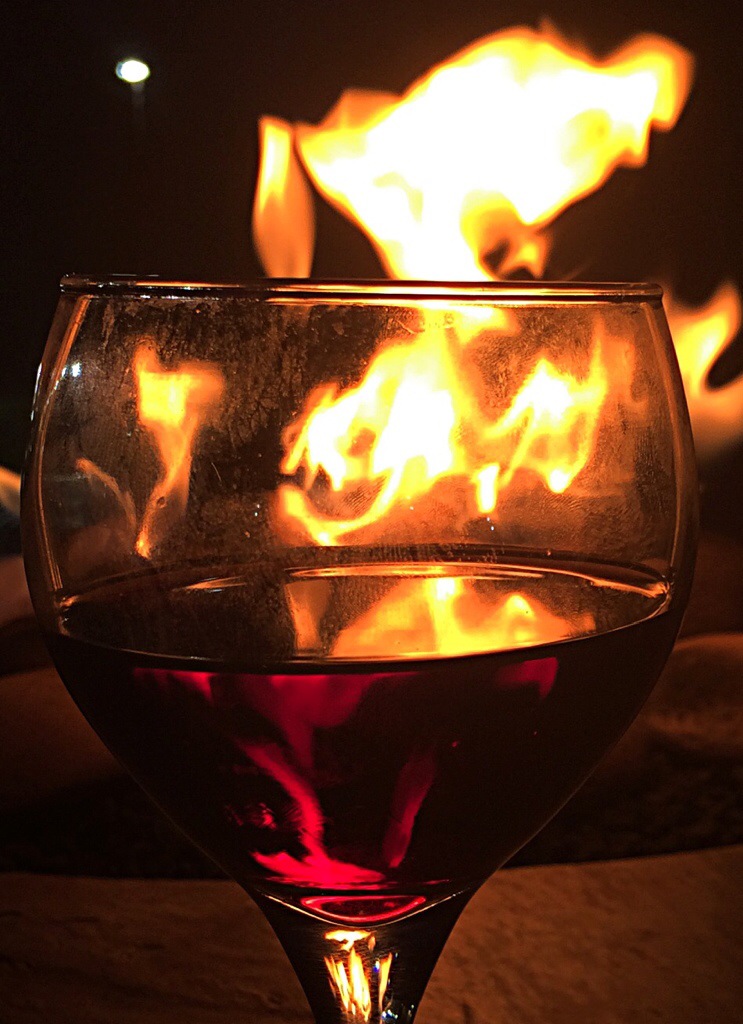
Sitting out in the dark and the moon blurred by the clouds, a glass of wine and and some old poems were perfect to close out a long week. This one from Gulzar (in Hindi) stuck in my mind :

Nazm uljhi hui hai seene mein
Misare atke hue hain hothon par
Udate phirte hain titaliyon ki tarah
Lafz kaagaz pe baithate hi nahin
Kab se baithaa hun main jaanam
Saade kaagaz pe likh ke naam tera
Bas tera naam hi mukammal hai
Is se behtar bhi nazm kyaa hogi

Roughly translated, he is saying:

A poem is entangled in my chest
The lines are stuck in my lips
The words are flitting around like butterflies
But refusing to settle down on my paper
I have been sitting here for so long
Having only written your name on a white paper
Only your name exists on the paper
And I ask, how can there be a better poem than that?

25 March 2014

Home they brought her warrior dead…

It was an office meeting. Two of my team mates and myself were going thru some intense discussions about an important professional decision we have to make for our business in the coming months. As we started wrapping up our discussions, we started talking about the passing away of a pet of one of my teammates.

He was particularly affected since he was very close to this pet. But more importantly the discussion was about how stoically his wife had taken to this sad passage….. till an innocuous event like he sharing a very old picture of the pet with his wife got her to completely break down.

Reminded me of an Alfred Tennyson poem – on the importance of crying. After my friends left, I looked up the poem and read it up again. It is a master stroke of Tennyson to convey the importance of crying as a natural way to relieve your inner feelings. And the wisdom of somebody who is ninety years old!!!!

Home They Brought Her Warrior Dead

Home they brought her warrior dead:
She nor swooned, nor uttered cry:
All her maidens, watching, said,
‘She must weep or she will die.’

Then they praised him, soft and low,
Called him worthy to be loved,
Truest friend and noblest foe;
Yet she neither spoke nor moved.

Stole a maiden from her place,
Lightly to the warrior stepped,
Took the face-cloth from the face;
Yet she neither moved nor wept.

Rose a nurse of ninety years,
Set his child upon her knee—
Like summer tempest came her tears—
‘Sweet my child, I live for thee.’

Alfred Lord Tennyson

25 March 2014

Chirag-e-dil (Flame of the heart)

“Jis chirag ko apney dum sey jalayaa hai
Usi chirag ne mera aashiyaan jalayaa hai
Bachata tha jisko hawa ke ek jhonkey se bhi main
Usi ney aaj mujhe gehri toofan mein phansaaya hai”

Translation:

The flame (of love) which I fanned with my breath
Is the same flame that has burnt my world to cinders
She, who I shielded even from the most gentle breeze
Has, indeed, today left me in the midst of a raging storm

(Unknown poet)

5 March 2014

Ahmad Wali back again!

Ever since I had that conversation with that Afghan cab driver in DC, I have been trying to dig up more songs of Ahmad Wali on YouTube. Here is one that is just amazingly mellifluous (at least to a Bengali ear). I am also intrigued by the influence from common roots of Indian songs and Afghan songs on each other. The tunes of most of his songs remind me of some other song I have heard before. (And I cannot understand a single word of what he is saying).

For all my Bengali music lover friends, which Nazrulgeeti does the second song of Ahmad Wali (starts at 5:35) remind you of? There are parts of the song that have almost the same tune!!

And for my Afghan friends (read Miriam 🙂 ) what is the meaning of the song he is singing?