11 November
2017
11 November
2017
12 miles on a cold and gloomy day

10 November
2017
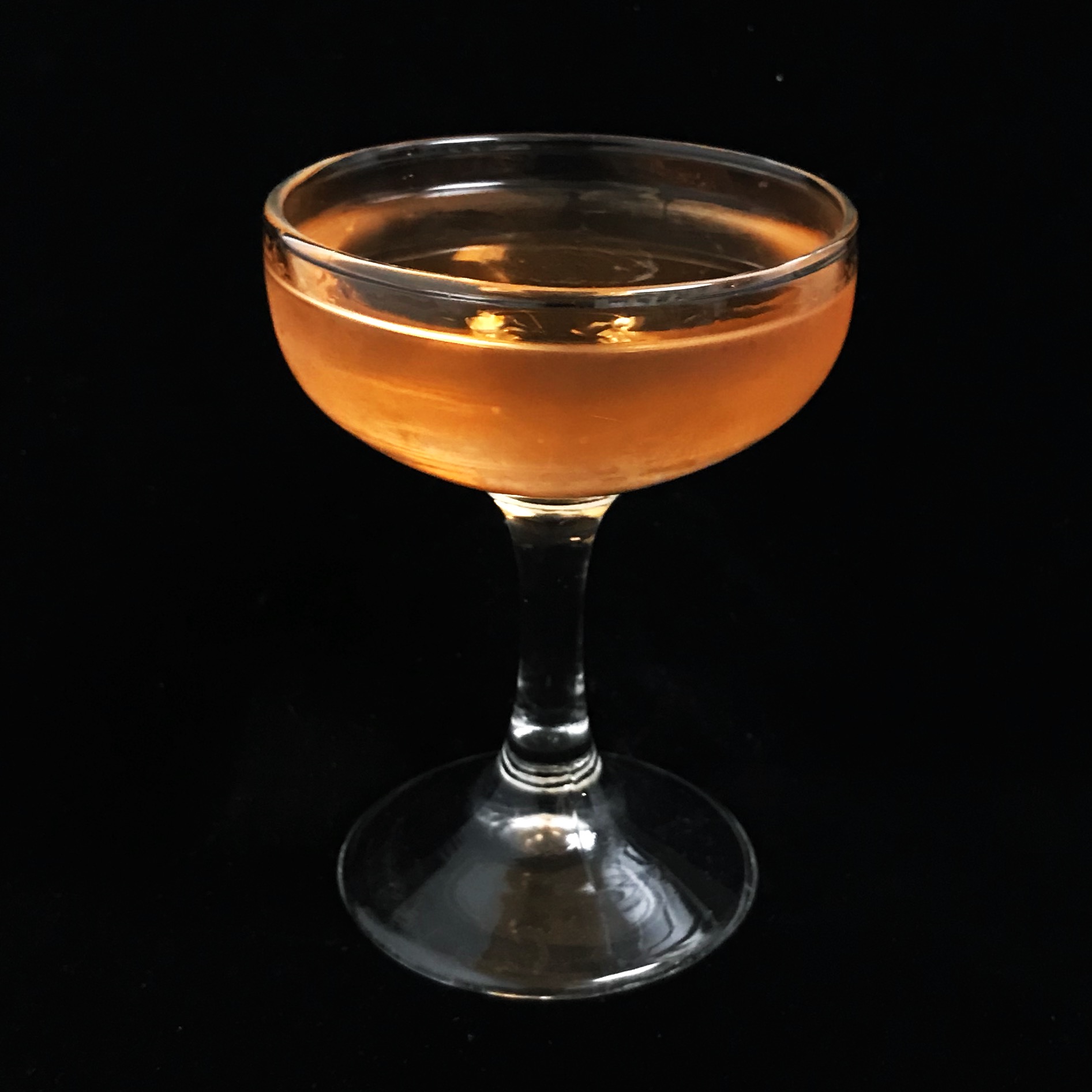
From the bartender’s corner: Improved Gin Cocktail
10 November
2017
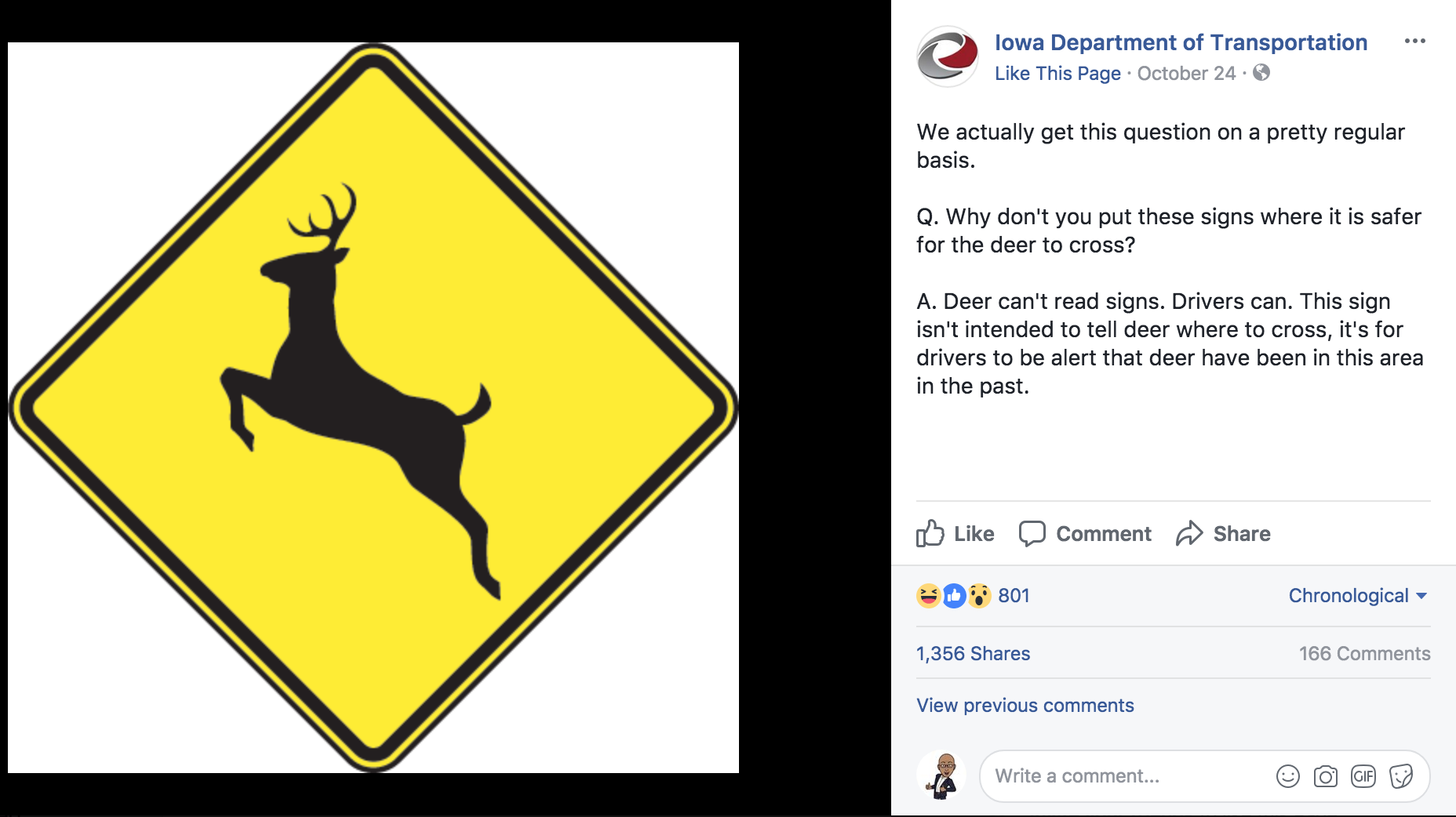
Oh, deer!!
8 November
2017
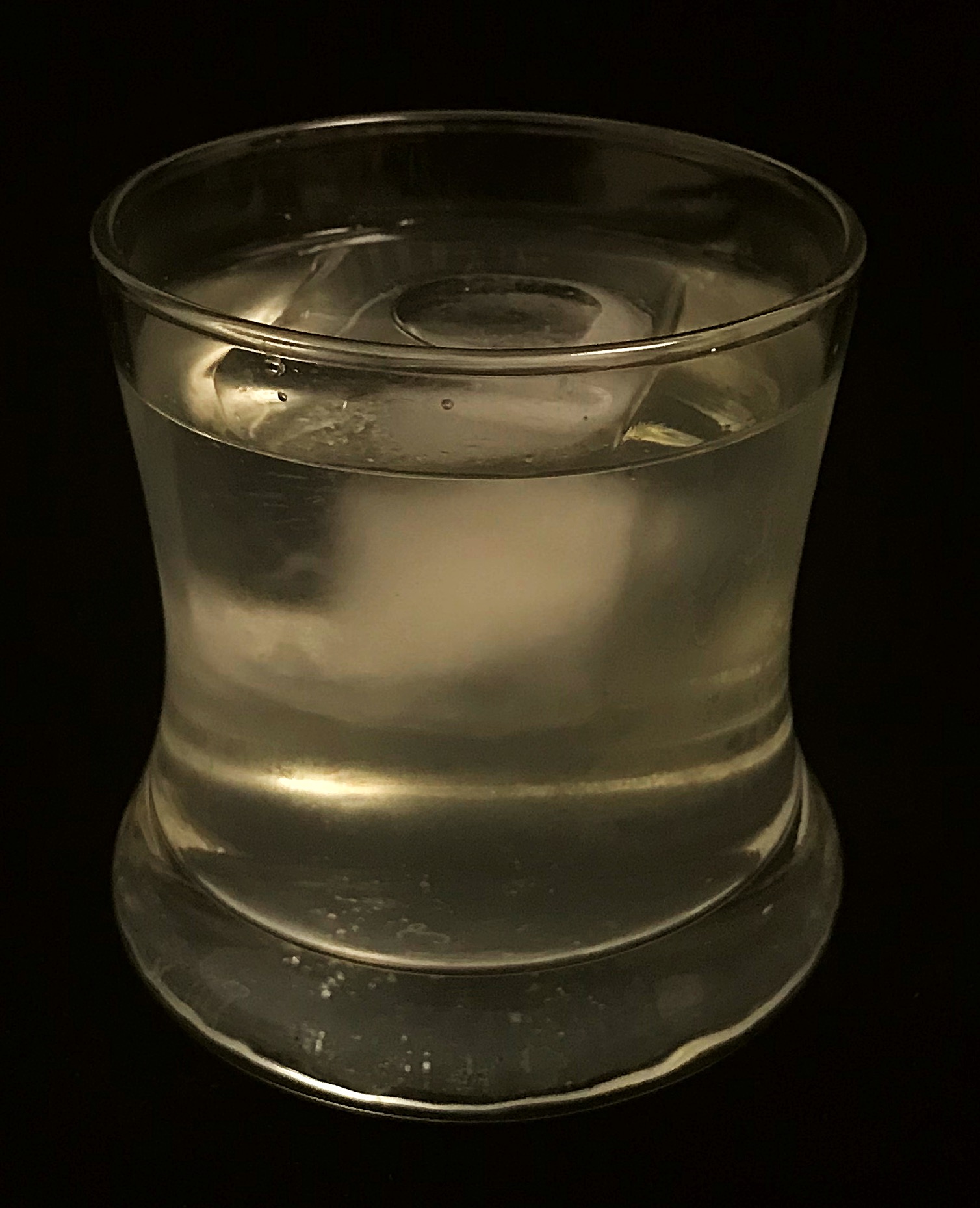
From the bartender’s corner – Consolation Prize
This cocktail was cooked up by John Perry Yates from Brooklyn, NY to commemorate the 2014 World Cup game between Brazil and the Netherlands. Brazil had been drubbed by Germany and Argentina had prevailed over the Netherlands in the semifinals. This game was about the “consolation prize” of third place – hence the name.
Rather unsuprisingly, the cocktail mixes the two spirits those countries are famous for – Cachaca and Genever. That is a wild combination. It is not easy to pull off those two together in a cocktail. The balance is most important (go with 2 time Genever to 1 time Cachaca).
John added Cointreau and orange bitters to round of the rough edges with the orange-y aroma and flavor.
The reviews do not give a lot of high marks to this cocktail. I, on the other hand, found this to be very enjoyable. The complexity of genever co-existed pretty well with the sweet, hard edges of the cachaca.
Two caveats: An orange peel is to be added as garnish but I was fresh out of them.
Also, the drink is served over one king ice. If you are not particularly looking for a very stiff drink to start the evening, feel free to actually pour it over more ice.
7 November
2017
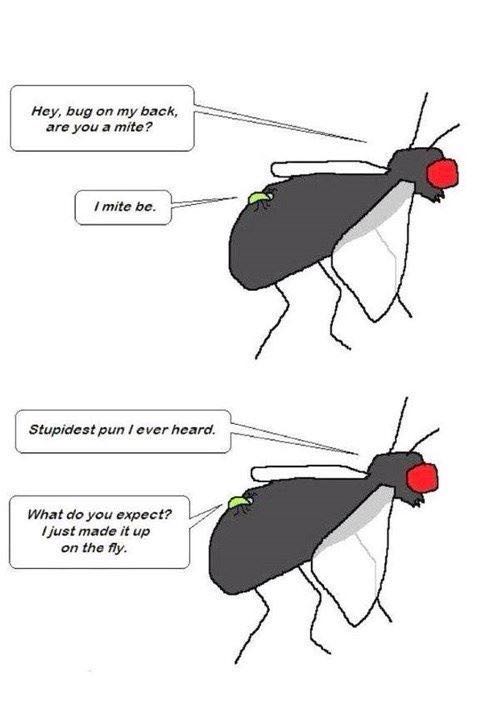
The “mite”-y fly
6 November
2017
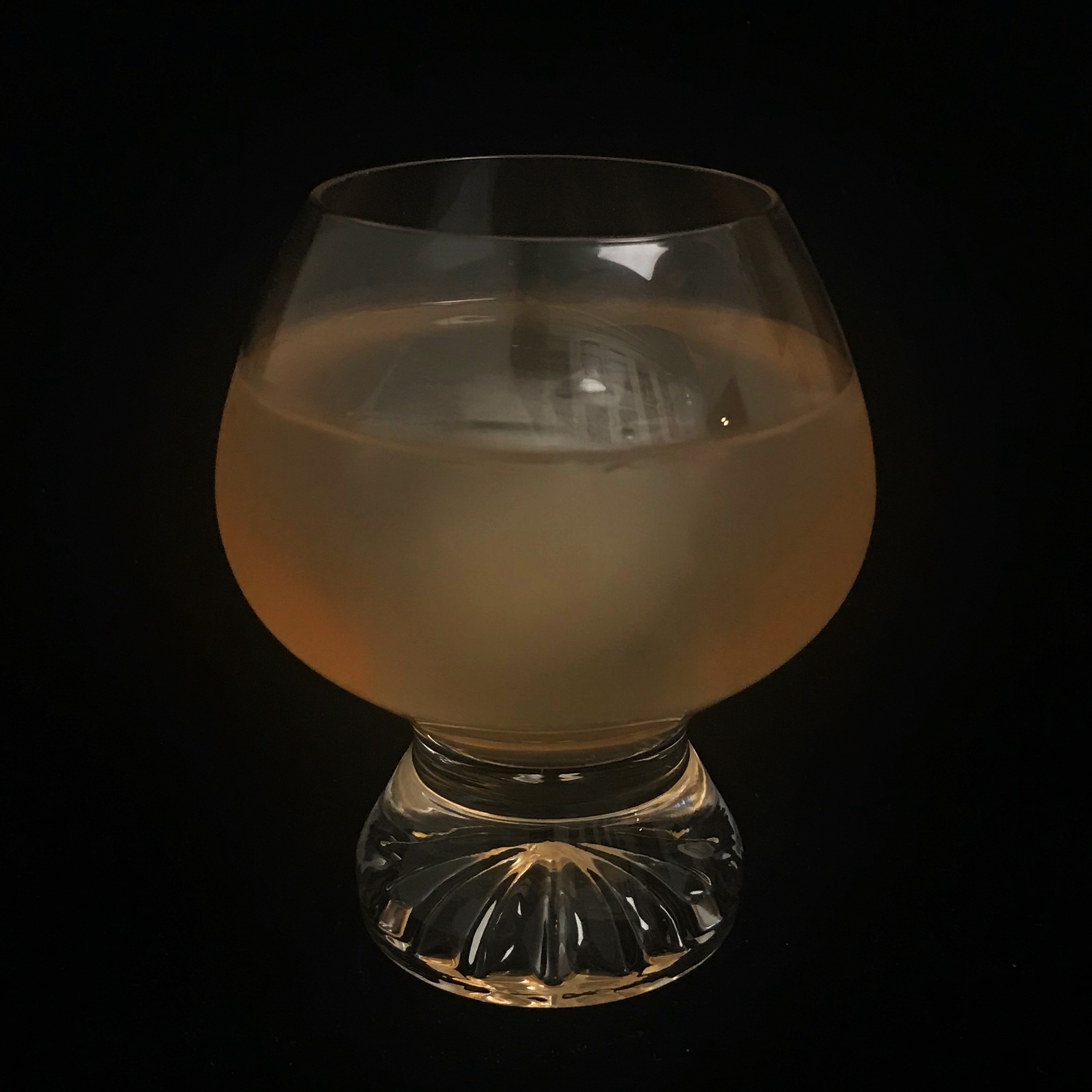
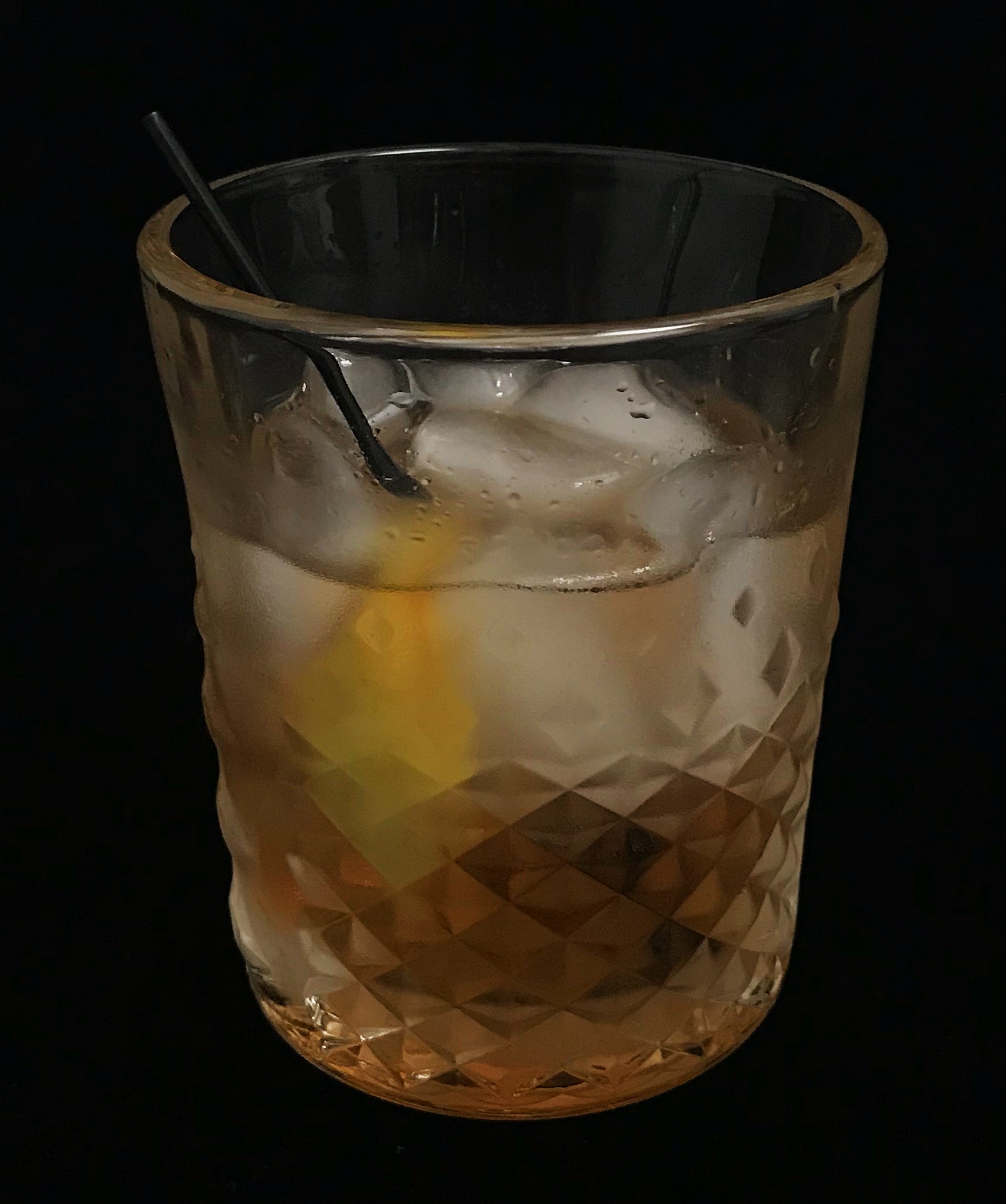
From the bartender’s corner – Genever Old Fashioned
This is an interesting take on an Old Fashioned. Most Old Fashioned are “spirit forward” – which is why some form of whiskey – Bourbon, Rye or even Brandy is used to make it. Gins, Rums or Vodkas just would not have the muscle strength to carry an Old Fashioned. On the other hand, a Genever can (the aging process gives it a distinct edge and character).
The recipe calls for maple syrup (instead of your simple syrup), standard bitters and citrus peels.
Came thru very well.
5 November
2017
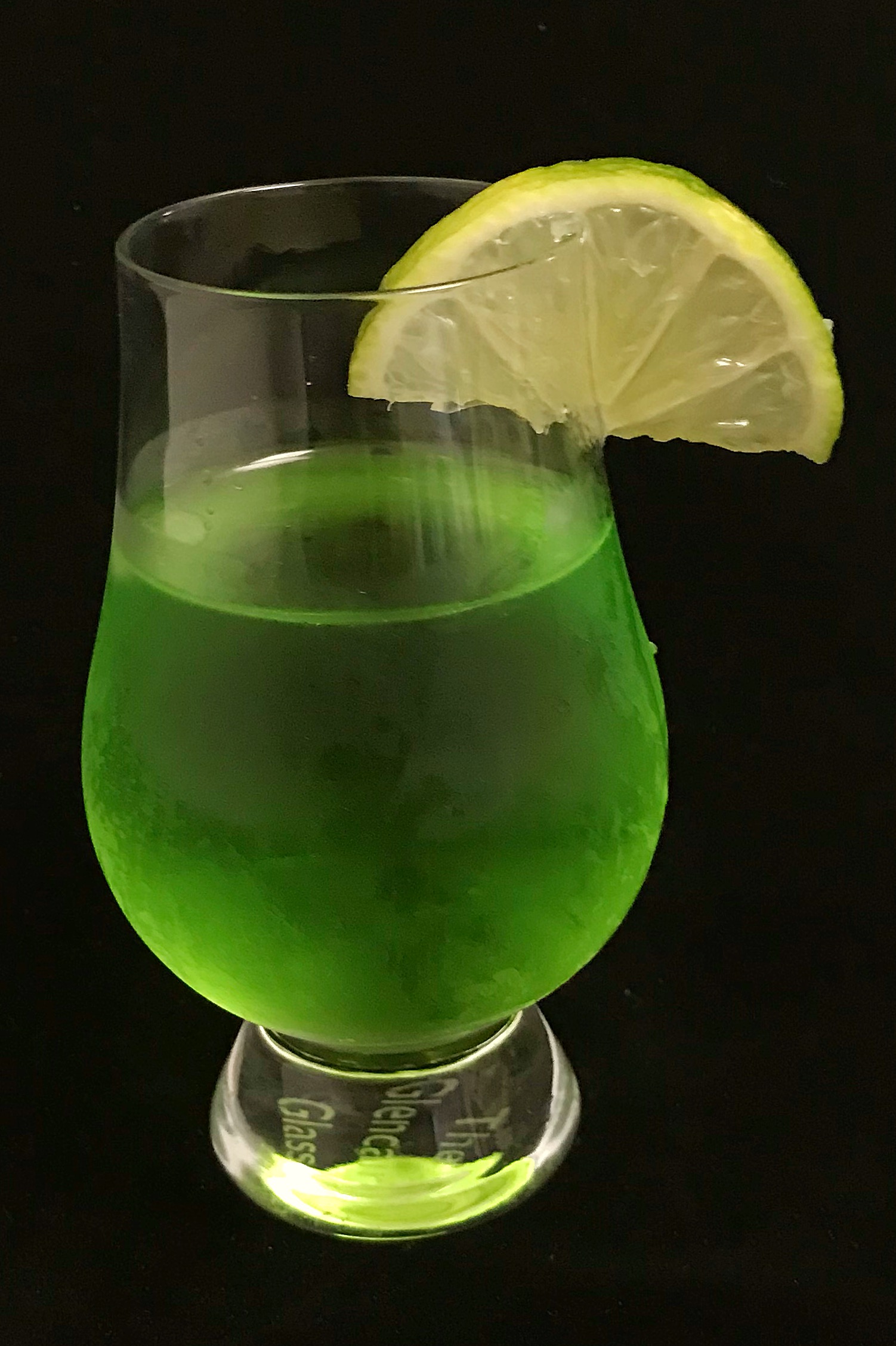
From the bartender’s corner – Dutch Green Hornet
The recipe is from Bols Genever website. They call it Green Hornet. But different sources suggest different alcohol base for a Green Hornet. Pisco is a very common suggestion. Difford’s Guide suggests vodka.
Since I am experimenting with Bols Genever, I changed the name a little to Dutch Green Hornet. In the alcohol world, nothing says Genever (or beer) like “Dutch” does.
Did go with a tulip glass per their recommendation though.
The ingredients are Genever, Melin liqueur and lime.
4 November
2017
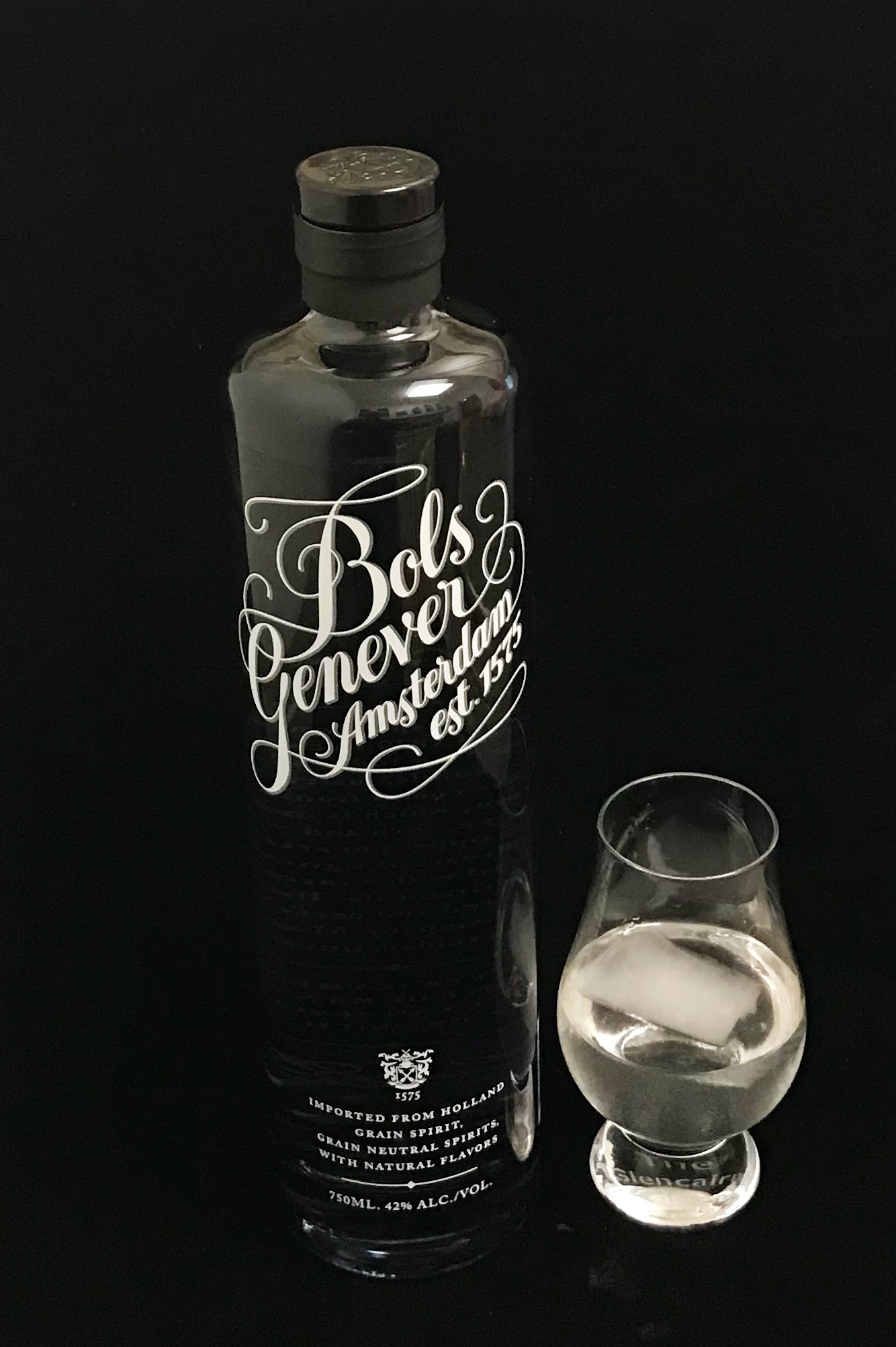
From the bartender’s corner: Gin #23 – Bols Genever
The original Bols family had started a distillery way back in 1575. To put it in perspective, William Shakespeare was just a few years old then!! There have been a few reincarnations of the distillery ever since. The Genever making started in the mid 1600s. It is one of the oldest distilleries in the world and one of the oldest Dutch companies still in business. (Although I wish they had spelt it “Jenever” to keep up with the old local tradition)
If you recollect, genever is the forefather of today’s gin (referred to many times as London Dry – although there are many other types today). Unlike dry gin, genever used to be aged in a barrel – much like whisky or wine of those days.
Therefore, Bols – like every other genever has the very typical smoky nose to it. The base alcohol comes from malted wine and neutral grain spirit. It is then distilled – three times in fact – in standard copper stills. The botanicals – which are held as a secret – are added in the last distillation.
The nose strongly reminds you of the malty and grain roots with the juniper and citrus coming thru much later. To the palette it is sweeter, thick and smooth. The finish is smoky due to the ageing.
As with all other barrel aged drinks (like whiskey), this is best drank neat (with a splash of water or maybe an ice) or in a cocktail. But genever is not a G&T drink. Although I have to admit, I did make one (genever with tonic) and had it. Nothing to write home about.
1 November
2017
Gins of the World
I started this year thinking I will do all my research and studying of gins. The history of gins, the manufacturing process, the different ingredients in different gins and the difference in gins by their origins. I also wanted to try out those gins in different cocktails and make a comparative study.
The good news is that so far, I have learned a lot. I mean a lot.
The bad new is that my original estimate of 26 gins in 52 weeks has now ballooned to 38 gins. I think I will continue with this in 2018.
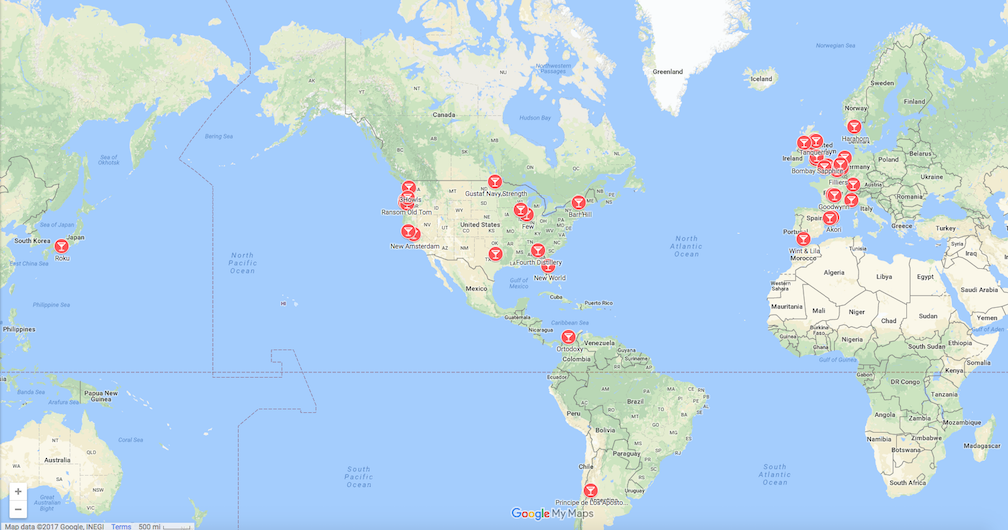
In the meanwhile, I mapped out all the distilleries for these 38 different gins spread over 13 different countries in 4 different continents. Looked cool…
And here is the link to the map in case anybody wants to know more details: https://www.google.com/maps/d/viewer?hl=en&mid=1tsYujwbCei154Wv5BYBTQxUyn0I&ll=29.843387093543175%2C-80.20935361249997&z=3