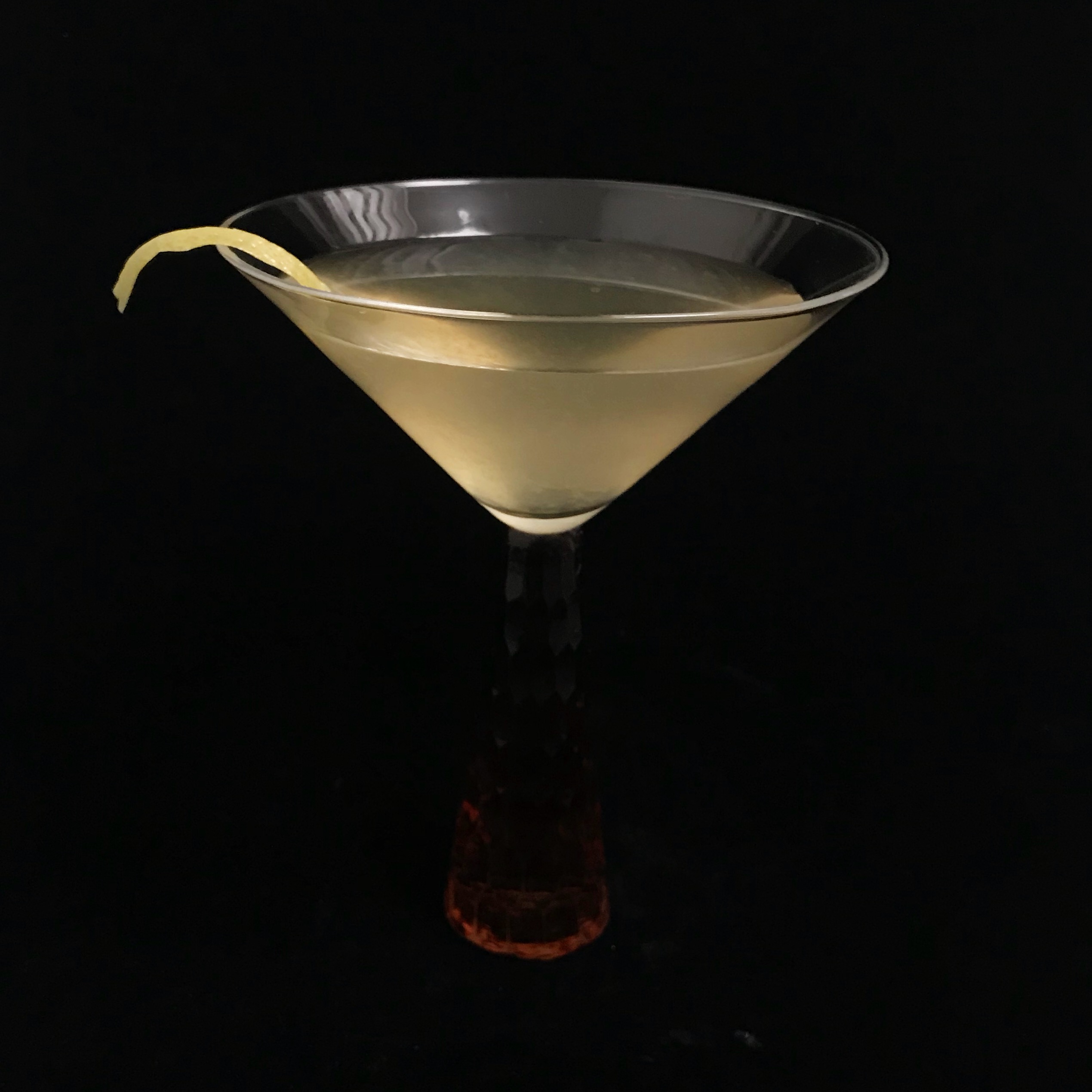
From the bartender’s corner – Death’s Door La Louche
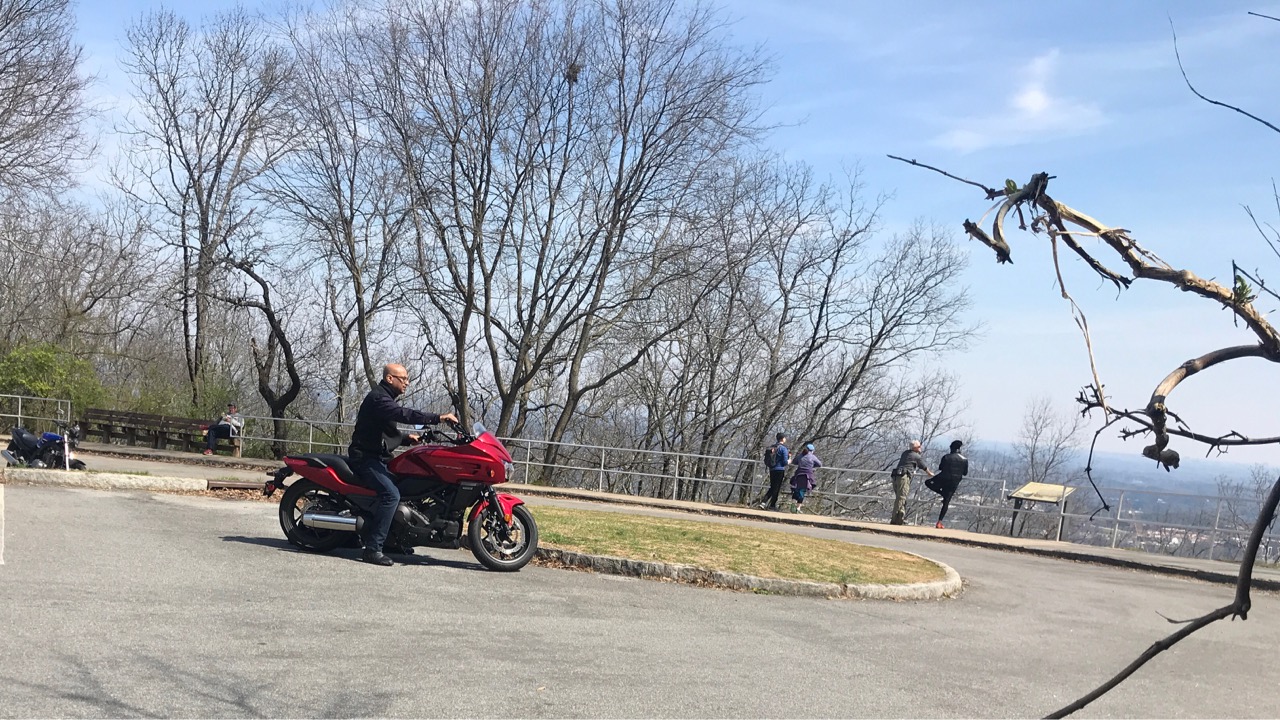
Hills run on a beautiful sunny morning
Where did that come from – a “checkmark”?
Have you noticed how in many forms and applications, you use the “checkmark” symbol to say “Yes”? It is often called – and I remember in India that is what we used to call – a “tick” mark in other parts of the world. Some of you growing up in India, probably also remember the “tick” mark on your answer sheet that the teacher used to put if you got the answer right and a big “X” if you got it wrong.
Almost universally, that “check” is used to say Yes and the “X” is used to say No. There are exceptions though. In many forms in US – in general when it is a multiple choice question – for example the US customs form, you put in a “X” to mark the correct option. Also in certain places like Sweden and Korea the check mark stands for “No” or “False”.
The question is – why do we say “Yes” or “True” with that weird character – one short stroke from left to right downwards first and then a longer stroke upwards left to right next. Turns out there is a very interesting history of this symbol. It goes way back to the Roman Empire.
In the Roman Empire, when voting, citizens would put a “V” sign against the candidate that they chose. The “V” stood for the latin word “veritas” – mean “true” or “affirm”. (Remember “In Vino, Veritas” – in wine lies the truth?). This “V” symbol took a life of its own as it got used over a long period of time.
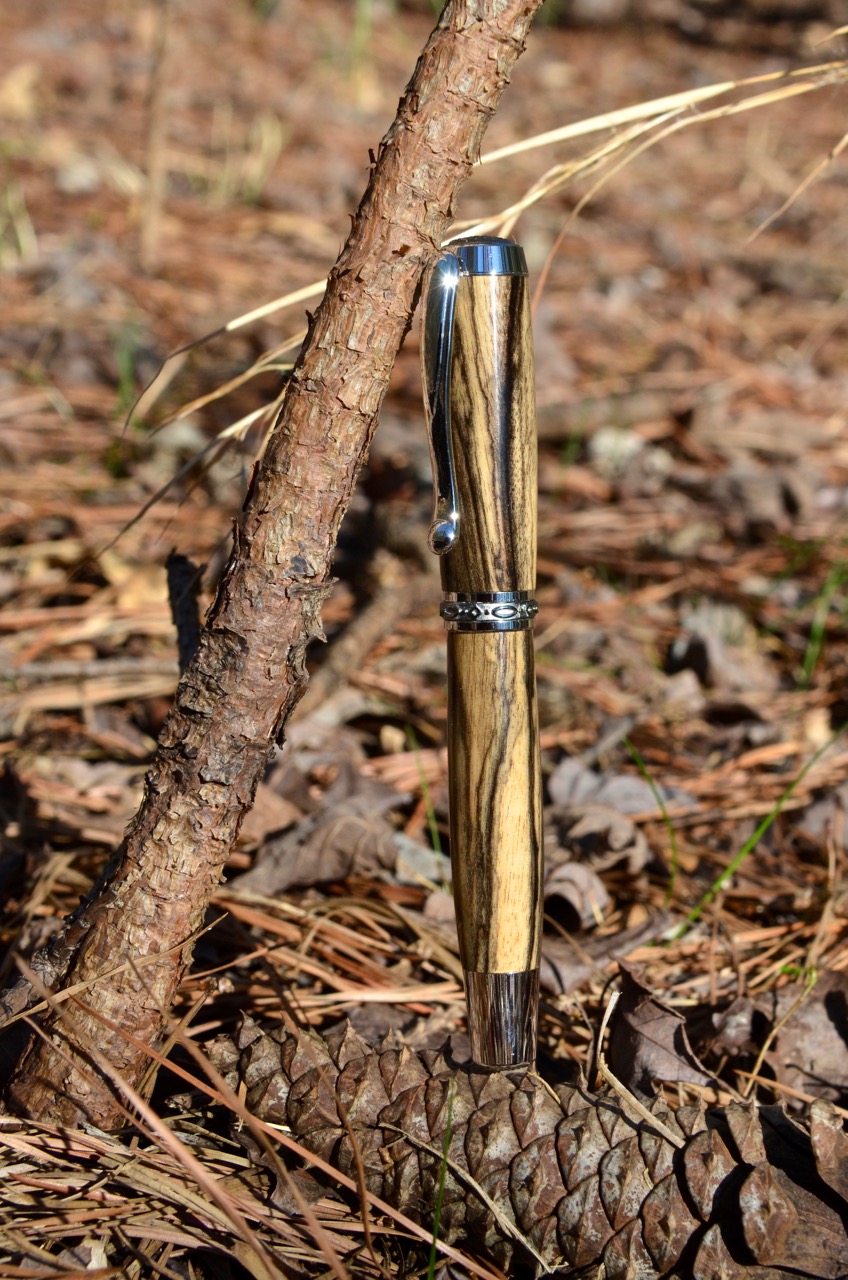
So, how did we get to the short line on the left? Well, for that we have to blame fountain pens. Or rather the pre-cursor to fountain pens – the “reservoir pens”. While “dip” pens (like the quill pens) were simply dipped into ink and then written, the “reservoir” pens held ink inside of it (like a modern day fountain pen). References to these kind of pens go back earlier than the 10th century. I understand Leonardo da Vinci used to use a form of this pen too.
In any case, while this design took away the need to carry ink with you all the time (which was clumsy at best), the modern day engineering advances of nibs was still not available. The flow from the barrel of ink inside to the tip of the nib outside was not very smooth. If you wrote with those pens, for the first fraction of a second, you would not have any ink (the nib tip would have dried) but momentarily the ink would start flowing in (as the capillary action set in). This is what will happen to a modern day fountain pen too if you have not used it for some time resulting in dry ink in the nib. That is why often, after pouring ink in, you draw a lot of straight lines on a piece of paper till the ink starts flowing.
Well, so, every time, they wrote a big “V” to ascertain their choice and opinion, the top of the left line (which is where you start) would not get marked since the ink would have not pushed thru the dry portion of the nib yet. But moment it came in, the rest of the letter would be fine.
Over the years, all those “V”s in elections and other choices, tended to have a short left line and then eventually, it became a symbol unto itself – which is today known as a “check” mark or a “tick” mark!

It is starting to warm up in Atlanta!!!
From the bartender’s corner – Angel Face on Death’s Door
Puzzle time!!
Sitting at the motorbike center (bike getting serviced), I am bored enough to see if I can bore you with one more puzzle to get the weekend rolling ….
There is a contest to judge the smartest couple of them all. Teams of husbands and wives show up for the contest and are soon read out the rules…
Each couple will be taken to a separate room by two officials. Each room will have two tables in diagonally opposite corners. The couple will be separated in the room and asked to go sit at the two tables in the two corners with their backs to each other. From that distance, they will not be able hear or see what is going on in the other table. Under no circumstances can any of the couple utter any sound. If they do, they would be automatically disqualified. Next to each table sat one of the two officials.
The husband and the wife will be given a dice (all dice are perfect dice – one sixth probability for each side). At the sound of a large gong, they will independently roll their own dice on their own table. And note whether they have an even face up or an odd face up. (Odd means 1, 3 or 5). Now, on a piece of paper, each have to write what they think came up on the OTHER table – odd or even. Once both have written their guesses, the two officials will shout out what was written.
If at least one of them guessed correctly about the other table, they continue. If both got it wrong, they will be escorted out of the room and eliminated from the event.
The last couple standing (actually sitting at their tables 🙂 ) wins the event.
So those were the rules.
After all the rules were explained, the officials allowed each couple to talk for a few minutes in case they wanted to come up with a plan and then were escorted to their rooms for the competition to begin.
The smartest couple had devised a way such that they would always win. What strategy did they use?
Note that this is not a trick question like whispering or passing hand messages etc. They were really smart and came up with a way to never get escorted out.
If you know the answer / figured it out, please send me a personal message. I will respond there and also announce your name in the common forum.
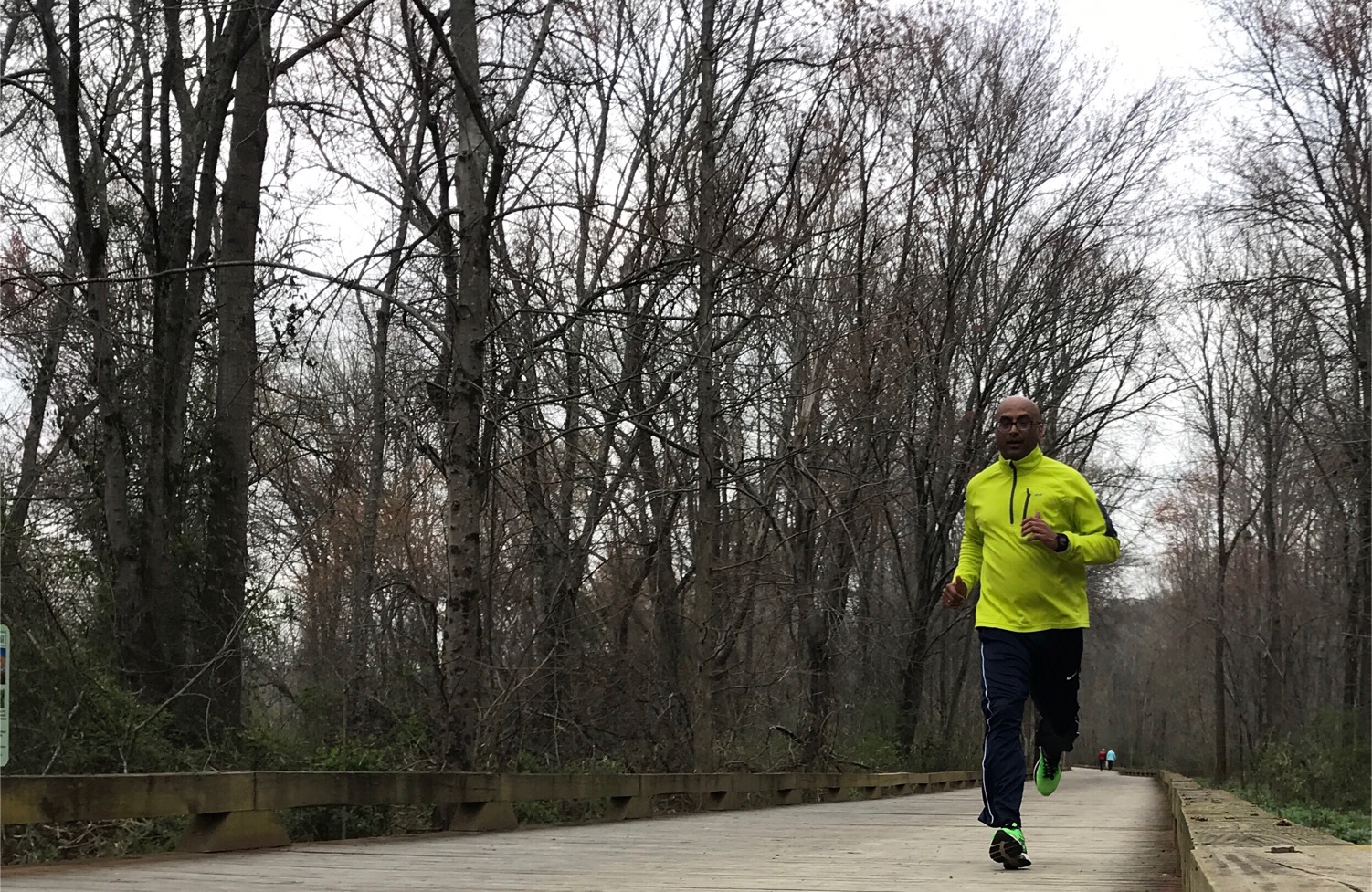
5 miles in a new forest trail
From the bartender’s corner – Death’s Door Rouge Martini
A Rouge Martini is a rather simple cocktail made from gin and Chambord liqueur. I used the Death’s Door Gin today. Like I was surmising yesterday, the simplicity of the gin made it pretty good for a cocktail. The raspberry was not drowned by the junipers or other botanicals. I might increase the gin to liqueur ratio next time (I used 2:1 this time) to let the raspberries be a little more understated. Overall though, for a wet and cold evening, getting ready for the Super Bowl, it was a great drink.
I am sure the experts must be wondering how does the blackberry fit into the scheme of the gin or Chambord. Well, it does not. Ideally, the right garnish would be a raspberry (or a string of raspberries with blackberries). I could swear I had some raspberries in the kitchen. Evidently not. Ergo, just blackberries 🙂 Not sure it did anything to enhance or take away from the nose of the drink but it had a good visual effect, all the same!

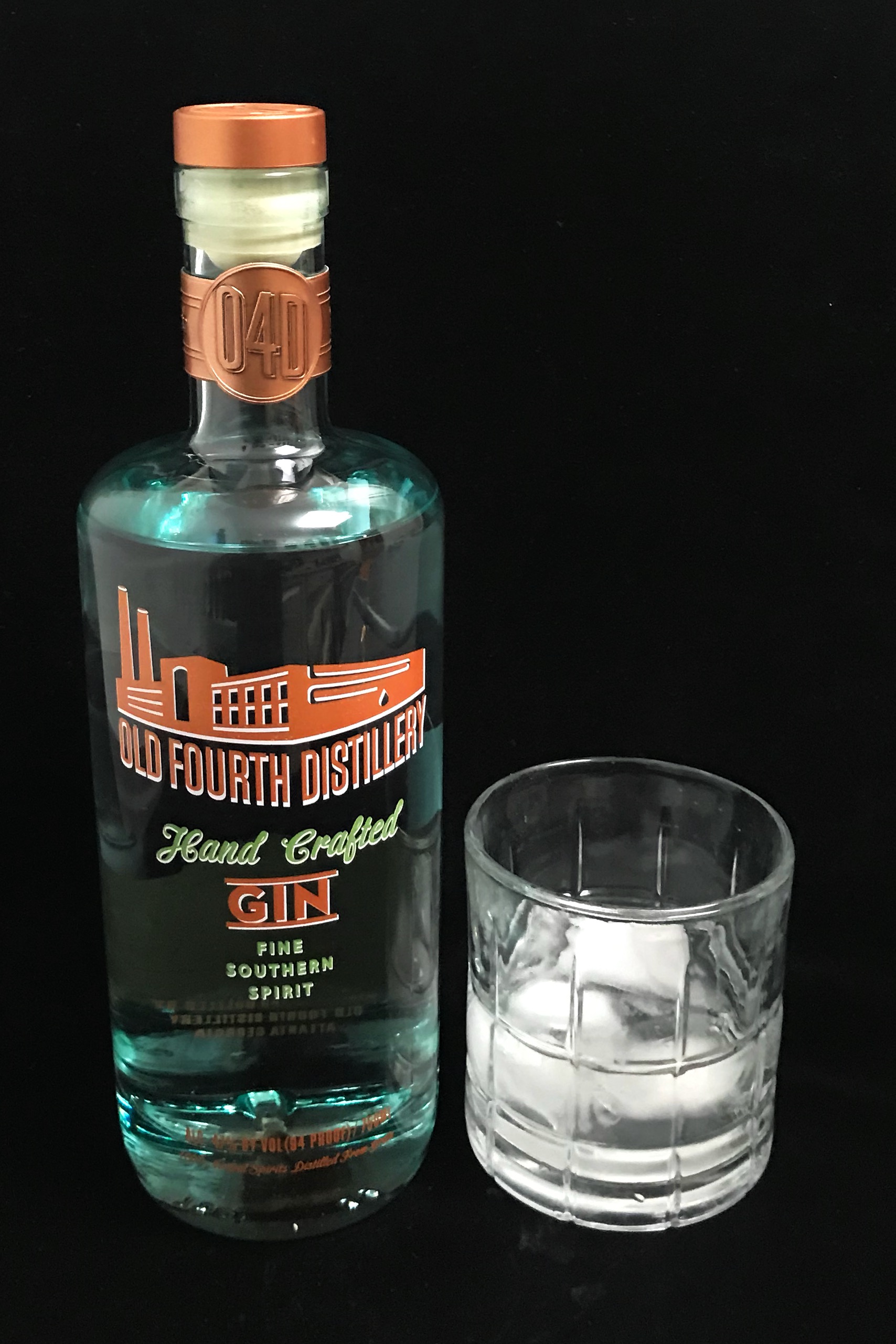
From the bartender’s corner: Gin #30 – Death’s Door
For such a dramatic name, the distiller’s website is fairly frank about this gin being very simple. In fact, other than the mandatory junipers, the only two other botanicals are coriander and fennel seeds. The distillers claim that you can taste all the botanicals – well that is because there are only 3 of them.
The base alcohol is more interesting though – it is made from winter wheat, corn and barley!
The distillery was established in 2006 in Washington Island in way up north Wisconsin.
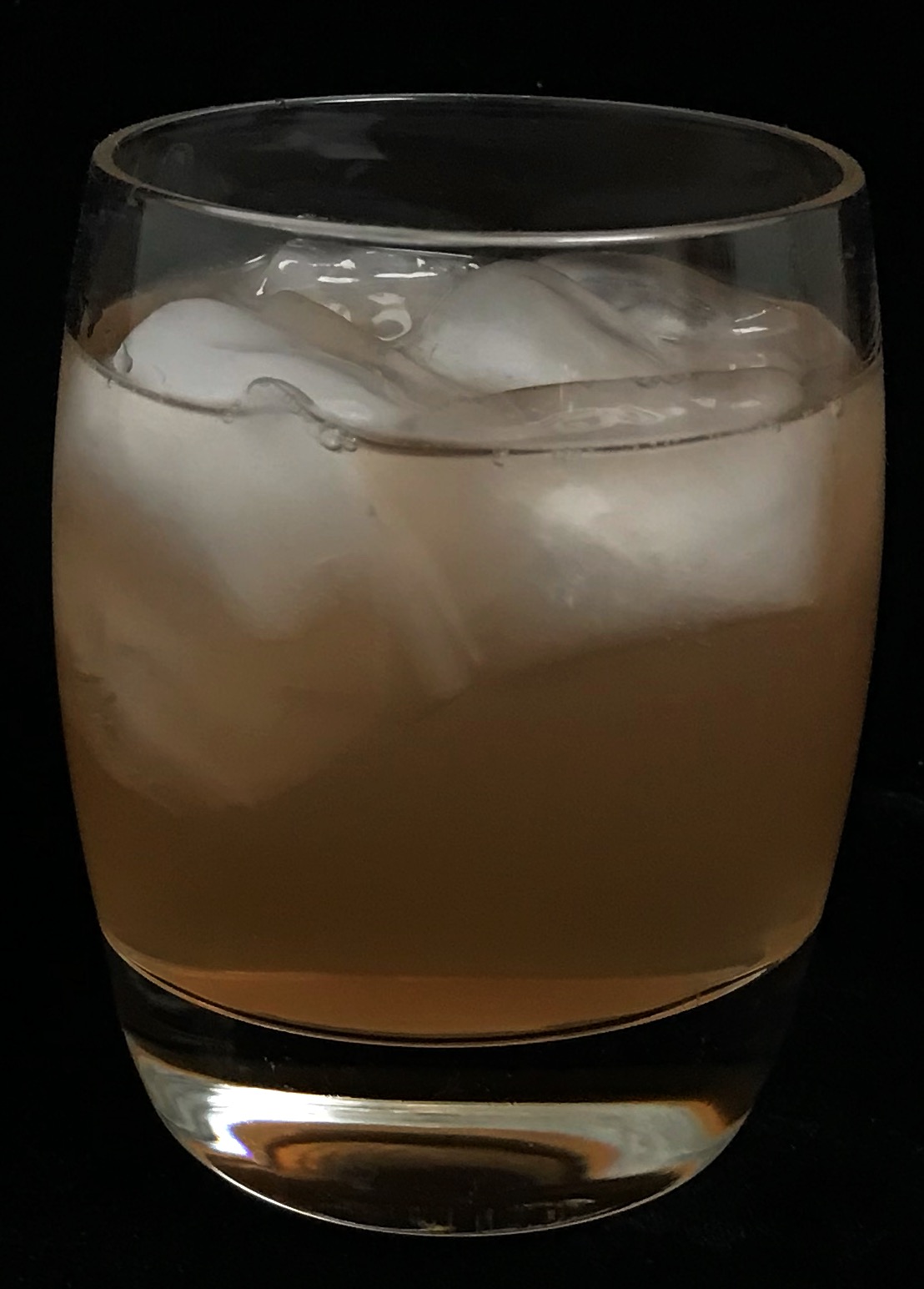
For a simple gin, it is surprisingly good. While I will not claim to be an absolutely great gin but it is mild and soft enough to make it a go-to gin especially with tonic water. I tried it two days in succession and I liked it on second day more than first day. And because of that softness and not being too forward in anything, I suspect it will make a good gin for cocktails.
The juniper is predominant in the nose and I was surprised by the citrusy palate (suspect the corianders). The finish was fairly uneventful other than the remnants of the juniper.