22 September 2018

The continental divide in my knowledge

Once I finished memorizing all the African countries, I asked myself if I could extend that to learn all the country names in the world. Naturally, I started by Googling “How many countries are there in the world?”

You would think it should be a straight forward answer. Far from it. The definition of a “country” is not as clear cut as I had thought it would be. There are countries that the UN recognizes. Then there are are completely autonomous areas with their own government and no control from outside – but they do not go for UN membership (e.g. Cook Islands). Kosovo is not a recognized country by UN, but it competes in the Olympics as a nation.

In fact, if I have this right, there are 195 sovereign states recognized by the UN, 201 partially recognized states, 204-207 de facto sovereign states, 206 Olympic nations, 211 FIFA countries and get this – 249 countries that have their own ISD (country code for telephone numbers) codes!

Anyways, finally memorized the names of all the nations recognized by the UN. Trying to understand the definition of continents was a trifle more tricky. Learnt some really interesting tidbits about continents. See how many of these you knew:

1. Which continent is Greenland in?
2. Which is the continent with the most number of countries?
3. Which is the continent with the least number of countries?
4. How many countries have contiguous area that straddles over two different continents?
5. This one is specially for my friends who live in the USA like me. How many countries in our continent?
9 September 2018

Sunday morning puzzle

Sunday morning puzzle

I was led to this problem by my great friend Karthik’s son – Aadi – who is a whizkid in logic and numbers problems. I need to spend more time with him just to learn about more puzzles.

This problem was published in New York Times as the Tax Man Problem. I have changed the description a little – but the problem is the same.

You and I sit across a table with twelve cards marked 1 thru 12 between us. Following are the rules of the card:

1. You pick a card.
2. I get to pick all the factors of that card that are remaining on the table.

(To explain, if you picked card marked “10” first, I pick up “1”, “2” and “5”. )

3. We continue with this.

(To explain, now if you pick “8”, I pick “4”. Remember “1” and “2” are already gone in the previous move)

4. You CANNOT pick a card if there are no factors of that card left for me to pick.

(To continue with the above example, you cannot pick “11” now, because its only factor “1” is already gone and I am left with nothing to pick)

5. Finally, when you have run out moves (there is no card left for you to pick without violating Rule 4 OR there are no cards left on the table), the game is over.
6. Now we add up our cards.

Whoever has higher total, wins.

To finish off that example:

You: 10
I: 1,2,5
You: 8
I: 4
You: 12
I: 3,6
You: run out of moves (you cannot pick any of the remaining cards – 7,9,11 – since they have no factors left)
I: 7,9,11

Your total: 10 + 8 + 12 = 30
My total: 48 . I WIN!!

Question: What is the highest total you can get and win?

8 September 2018

African capitals

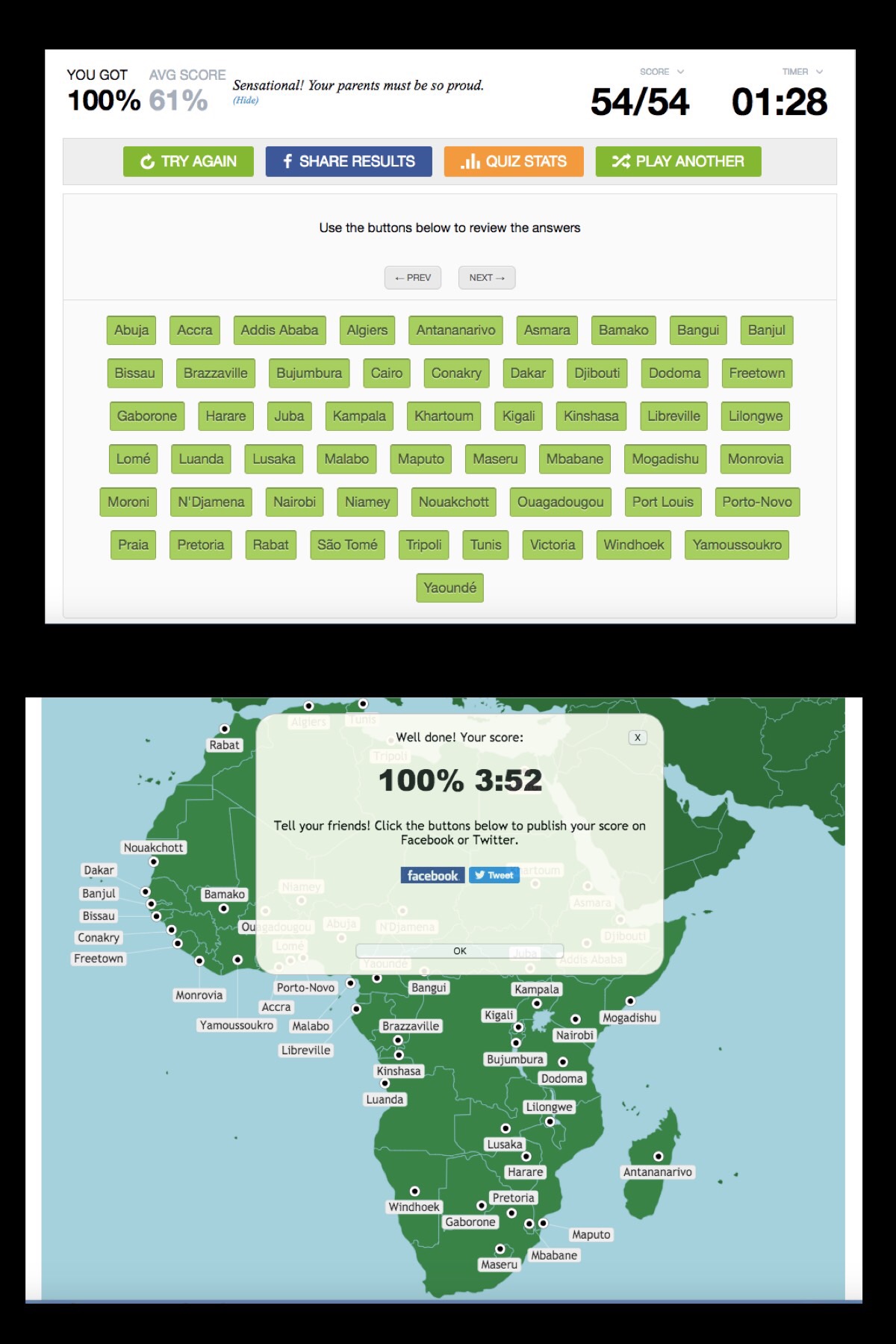
Continuing with the learning of the Dark Continent, managed to nail all the African capitals in two different tests in first chance.

Forget my knowledge in Geography… trying to memorize names everyday for about 20 minutes might be a good way to stave off age-driven memory loss issues.

Also, who knew there are cities called Ougadougou, N’Djamane, Mbabane or Bujumbura? That was a lot of fun!

Ramesh Krishnan, your turn now. (For the rest of the readers, Ramesh beat me on the African country test by almost a whole minute!)

Category: Puzzles | LEAVE A COMMENT
3 September 2018

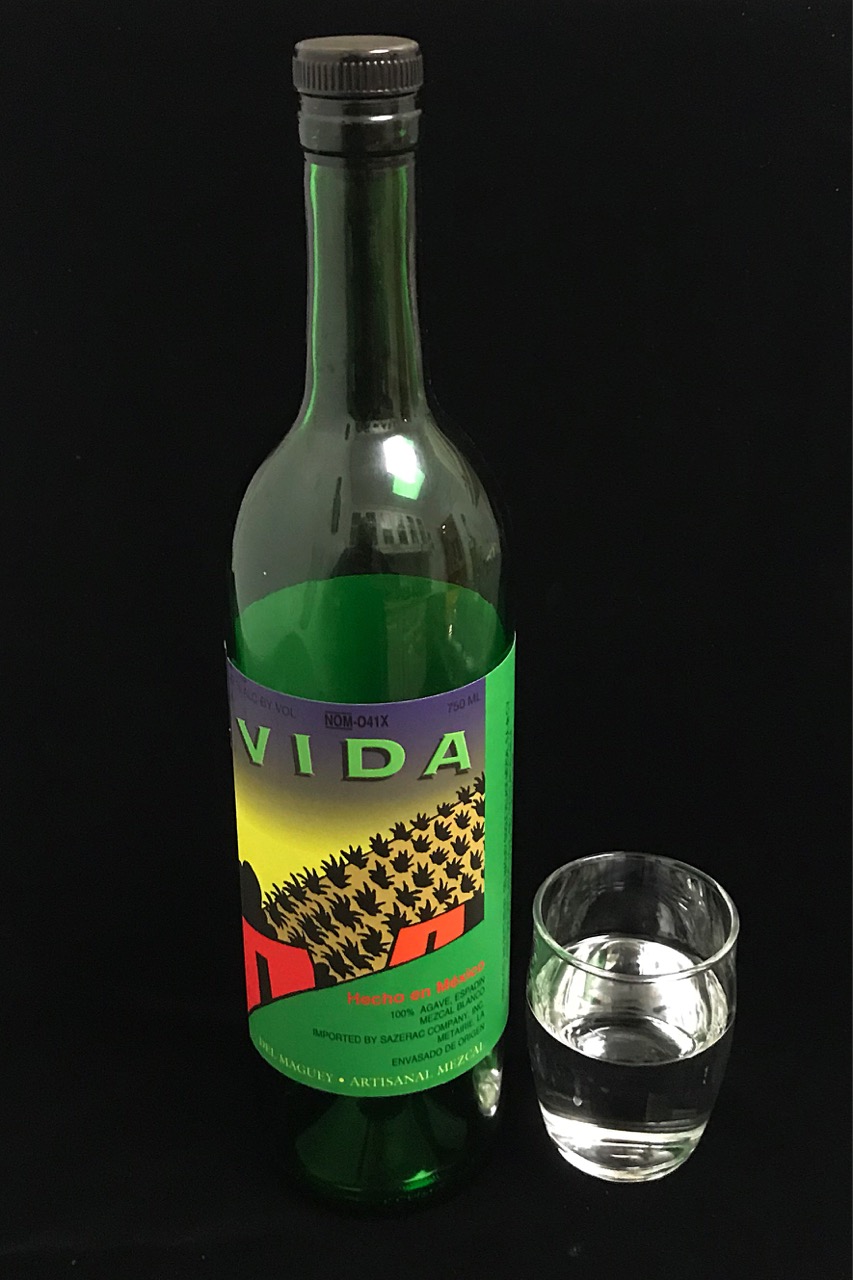
From the bartender’s corner – Mezcal #2: Del Maguey Vida Mezcal

Region: This Mezcal, like the previous one I had reviewed is also from the Oaxaca state. Specifically in Del Maguey distillery in the village of San Luis Del Rio. This mezcal production was started in this distillery back in 1995 – however, this particular bottle launched about 8 years back.

Agave: This is 100% espadin (specifically anguvstifolia type). This particular espadin matures in 7-8 years – a couple of years earlier than the Sacrificio that I reviewed last time.

Roasting: The “pinas” of the espadin agave are slashed and then roasted in underground pits. Different types of wood is used to burn the fire for 3-8 days.

Smashing: The slushy pinas are then smashed partially by windmills and partially by horses pulling a big stone mill when the wind is not blowing. The fermentation itself takes a week to 10 days.

Distilling: The resulting liquid and some amount of the fiber is then distilled. If you remember, all mezcals have to be distilled twice. Vida mezcal is distilled in copper stills heated by burning wood both the times.

This mezcal is then diluted (for the purpose of exporting – Sazerac imports it into America), to bring the ABV down to 42%

This is my second full bottle of mezcal. This appealed less to me than the previous one. I am still a novice in the mezcal arena. But the earthy tones and the smokey nose was less pronounced. In fairness, this is not reposado and therefore is not aged (traditional mezcal is NOT aged).

Clear in color, the liquid has a earthy nose and to the palate, the typical mezcal smokiness is immediately noticeable. It also has some faint traces of wood and spice. The finish was long (longer than the Sacrificio)