9 January 2022

New Year Resolution #1 – Check!

Lost 10 pounds quickly during the few days of Covid. Which is fairly exceptional for me. Most of the last 15 years, I have stayed within a narrow band of a few pounds – even that variation coming mostly from water weight (salt consumption the previous day or not drinking enough water after long runs).

On the brighter side, I think I am going to consider myself having overachieved my New Year Resolution! And now that I can check that box off, I am going to totally take it easy for the rest of the year 🙂 In fact my goal now is to put so much weight on that next year it will take me much more than one week to meet my annual goal 🙂

Category: Humor | LEAVE A COMMENT
7 January 2022

My unique experience from Covid isolation

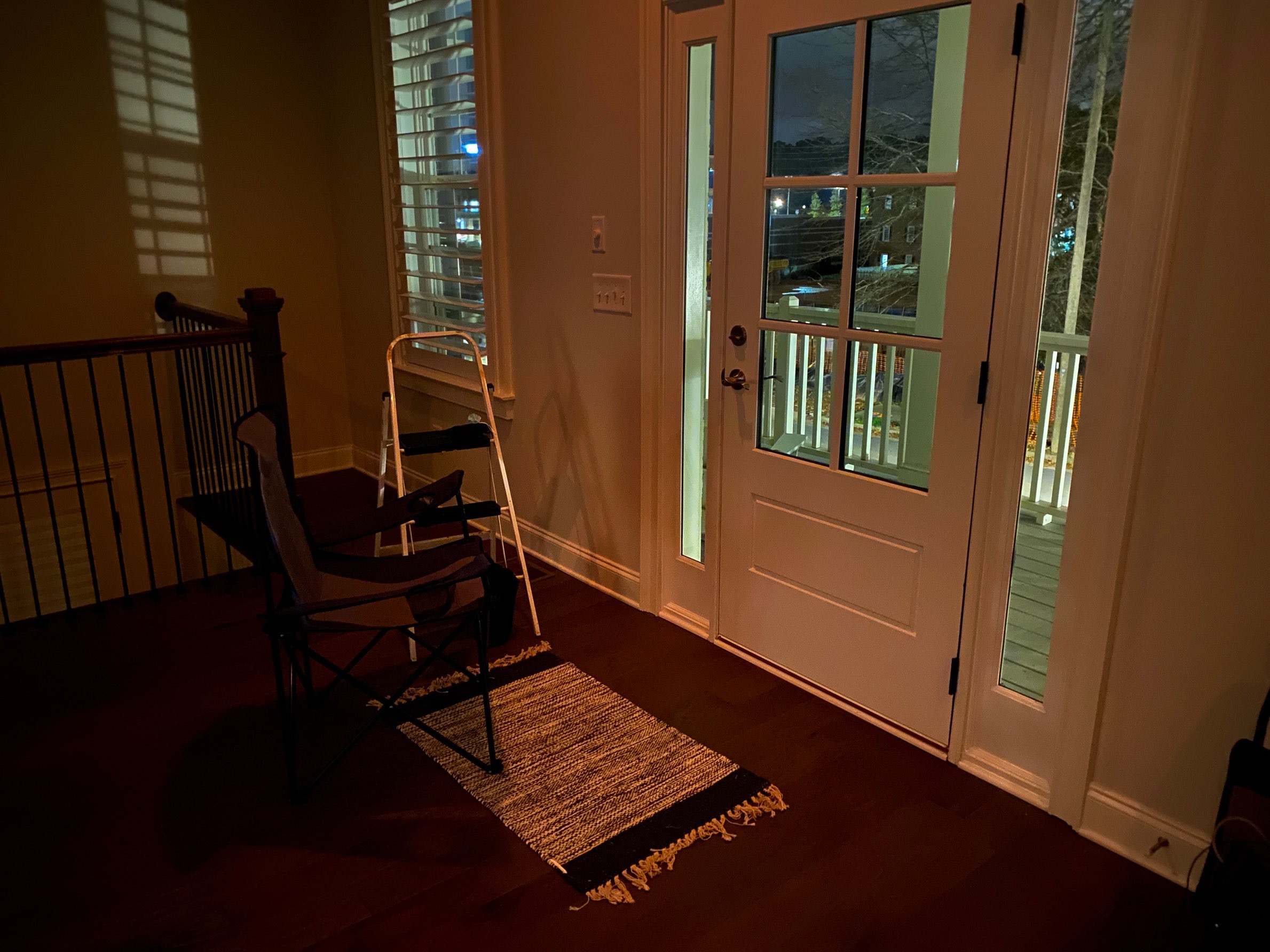
Just came out of Omicron isolation yesterday. Fortunately, it happened after I reached the US and not while in India. Also, isolation was relatively painless since I had the whole new house to isolate from! The only hassle was there was no bed – so it was more of camp night experiences with a couple of camp blankets used as mattress on hardwood floor. But, otherwise, I had the place all to myself.

Because of coughing and the bed situation, I could never sleep more than 15-20 minutes at a stretch the first five or six days. And I could not talk to anybody over the phone because of the coughing.

That actually opened up to me an experience I had never had before. For about 10 days, I was in near 24 hour silence. With no talking whatsoever. Any of you who know me can be excused for not believing it.

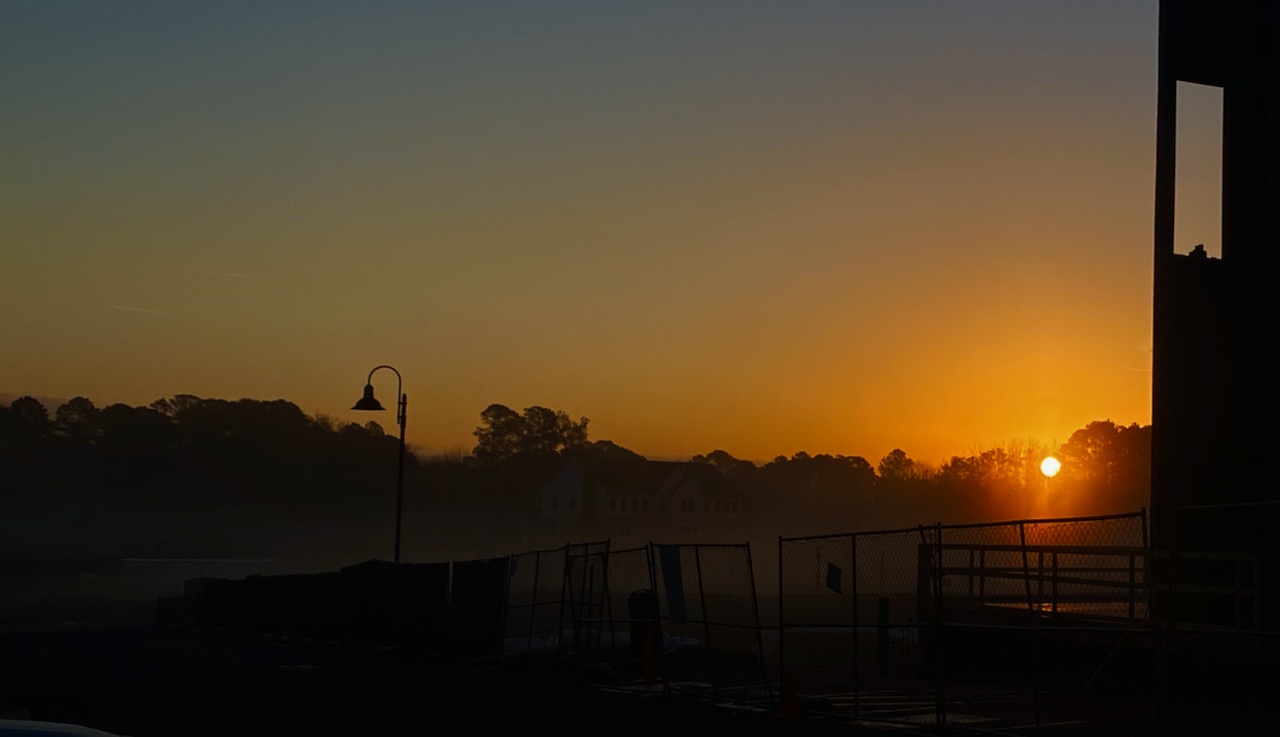
I sat endless hours in that picnic chair you see looking outside the door. I could not go out into the patio – it was too cold for me. And that step stool was my handy tea-cup stand and place to keep my phone and ipad.

This has gotten me intellectually curious in the topic of Silence itself. What does silence do to us? Is it desired or have we evolved out of it? Does being a social being still jive with silence?

Reached out to my friend Neal Rajdev for some pointers on books that I can read. Have you ever read a good book on Silence or the Practice of Silence? If so, could you share with me?

One of the things I veered into during those long nights of Covid isolation was poetry on silence. Most of them had some kind of an inner self / spiritual kind of bend. The best ones for me were from the Persian poet Rumi. This particular one became my favorite:

“Silence is the language of God
All others are just bad translations”

Loved it!

28 December 2021

A funny incident from way back whenâ€Ļ

You probably remember from last week that to celebrate my mom’s life, I went and visited every single house she had ever lived in. Three of them were in Durgapur.

You probably saw them as very big houses with colorful walls. Which is what they are now. When we lived there, they all looked the same. They were the living quarters given by the steel factory that my dad worked in. Eventually, they let the residents buy out their quarters and then add their own improvements.

Growing up, they all looked the same. And the walls would come in only one of two colors – yellow or red. Now, for us, who lived in Durgapur, finding a house was very easy. All we needed was the address. It being a planned town, the roads usually ran in the cardinal directions and intersected in roundabouts.

The very first house we lived in was 6/2 North Avenue. All you needed to figure out was where was North Avenue. Once you found that, it was very systematic. The streets came off the road like a fish bone. Odd streets sequentially from 1 on the left and even streets sequentially from 2 on the right. Once you were in the street, similarly, houses in the left would be odd numbered and on the right, even numbered. So, once you got to North Avenue, the third street on the right would be our street (6th) and the first house on the right would be our house (6/2). In case you had any doubt, there were helpful markers at the beginning of every street and every house.

By the way – and this is relevant for the story – where our road started from, about a hundred yards offset from that were the only two cemeteries in Durgapur. One for the Muslims and one for the Christians.

You would think that would make finding a house to be a breeze, right? Yes, if you were from Durgapur. No, if you were not. Our relatives who would visit us from the big city of Kolkata or the small village of Debipur were more used to instructions like “oi saamner do-tola bareer paas diye je gali taa jachche – oi galitey – laal baaritar porer baaarita”. (“That two story house you see? Take the lane next to it and you are looking for the house next to the red house in that lane”).

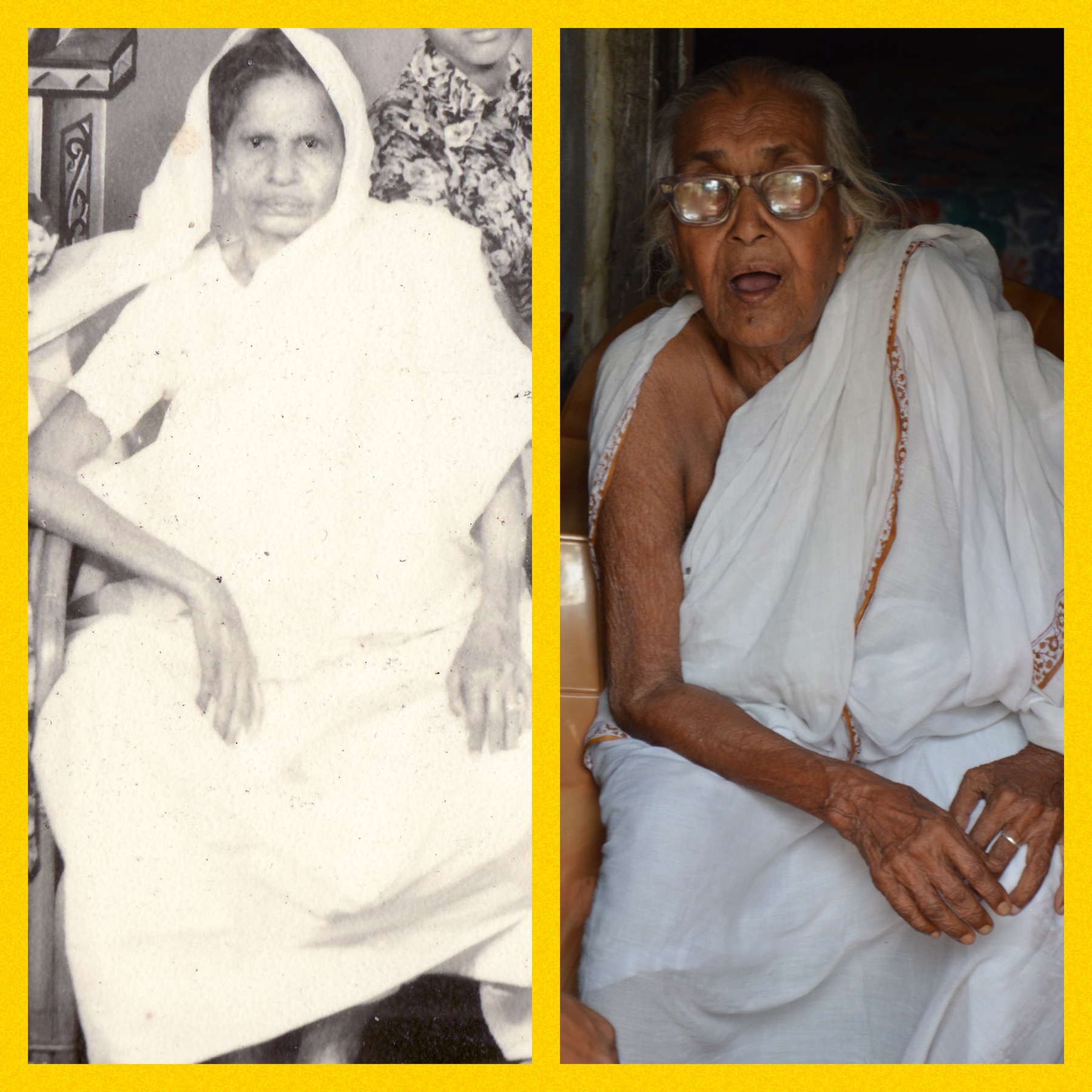
This would lead to some hilarious situations. Like the one in 1974 or so. My grandmother and my great aunt were visiting us to attend a wedding (my dad’s mentor’s – Sen jethu – daughter – Kasturidi – was getting married). Both of them wore white sarees like you see in the picture. My grandmother of course wore it due to prevailing social customs (she was a widow). Not sure why but I had never seen my great aunt in any other color but white.

One of those evenings, they had gone out for a walk together and managed to get themselves completely lost. It was getting dark and a sense of helplessness was drawing upon them. It did not help that every house looked exactly like the next one. They were truly lost.

My grandmother apparently asked a couple of passers by if they knew the house of “Damu”. Now Damu is my dad’s pet name at home. Nobody calls him by that name other than in the village. But in that intense moment of being lost, my grandmother completely lost sight of the fact that she had to give his real name.

According to my great aunt, my grandmother was on the verge of crying. Which my grandmother completely denied. My great aunt had a brain wave. The one anchoring point she knew was a the cemetery. From there she knew how to get to our house.

Both of them approached a bunch of young kids who were still playing in that last bit of dusk – “Babara, amaader ektu kabarkhanay pnouchhe debey?” They pleaded the kids to accompany them to the cemetery.

You have to imagine the situation. It was getting dark. One small street light thirty yards away was offering some respite from total darkness. And there are these two characters completely dressed in white asking to go to the cemeteryâ€Ļ

It took only one kid to ask the question that was at everyone’s tip of the tongue “Bhoot naki re?” (“Are these ghosts?”). And before you could cry Uncle (or great aunt for that matter), each had high tailed like their life depended on breaking the then Olympic sprint records. I understand the kids waited till daybreak to come back and retrieve their danda-guli (play paraphernila) that had been unceremoniously dumped the previous evening.

Eventually, the two old ladies entered a nearby house and asked if they knew the house of a school teacher called Manju. They were escorted dutifully and reached home in a matter of minutes.

That evening, as they narrated the story to us, the peals of laughter that roared from our house could be heard from a long distance. Even from the cemetery, I am sure.

26 December 2021

From the bartender’s corner – Sazerac

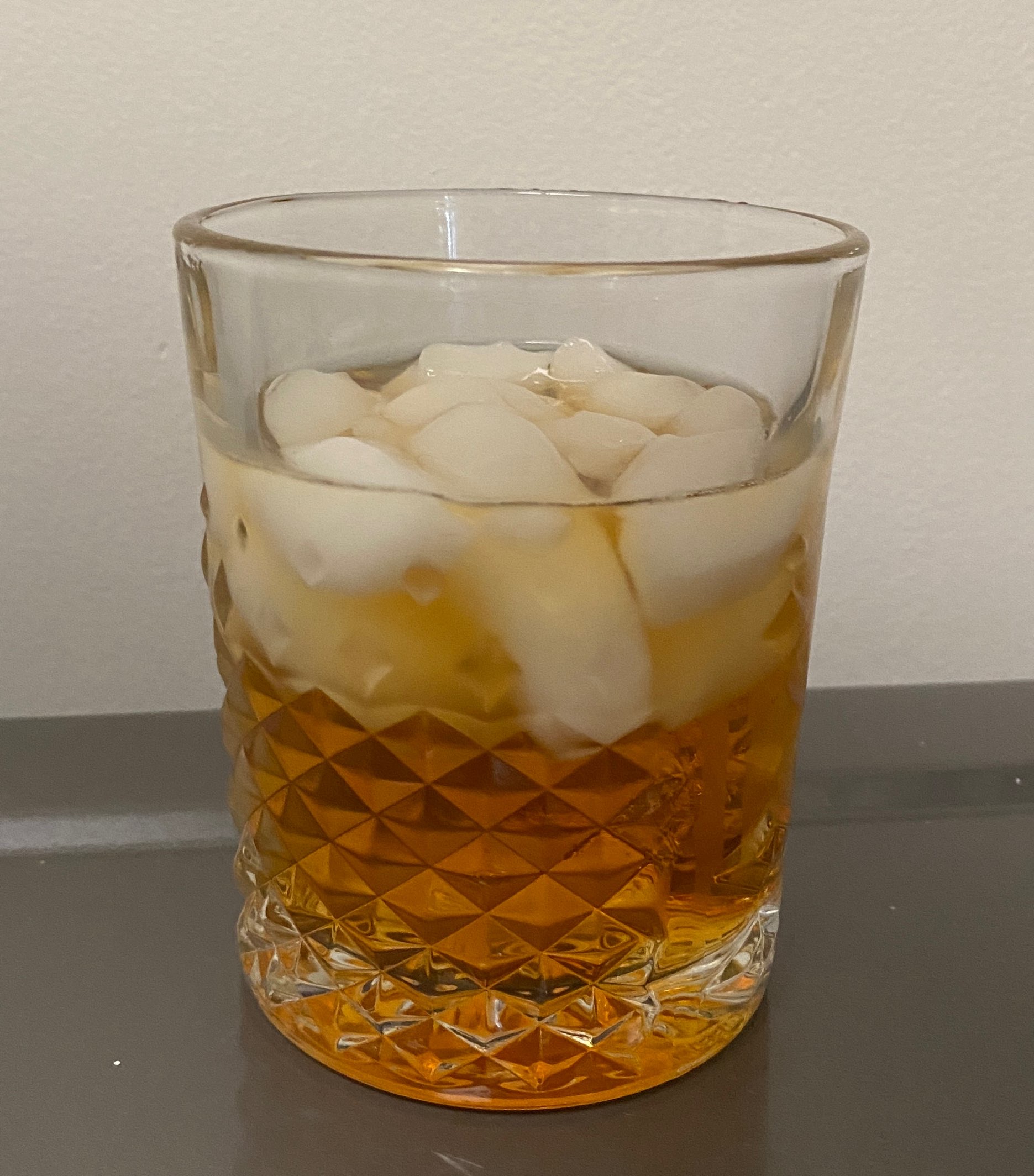
Yesterday, Sharmila and I had gone to one of the very few bars open on Christmas day (Taffer’s Tavern). I had asked for a Sazerac. The cocktail was served without any ice on it. Which I found to be strange. This evening I made one the traditional way – with the ice and all that.

I have to admit I liked the non-ice version!! This might go against the traditionalist in mixology but the consistency stayed much better without the ice and I preferred that. I will have to try one with a King ice to see if slower melting helps in keeping the drink cold while maintaining the consistency…

26 December 2021

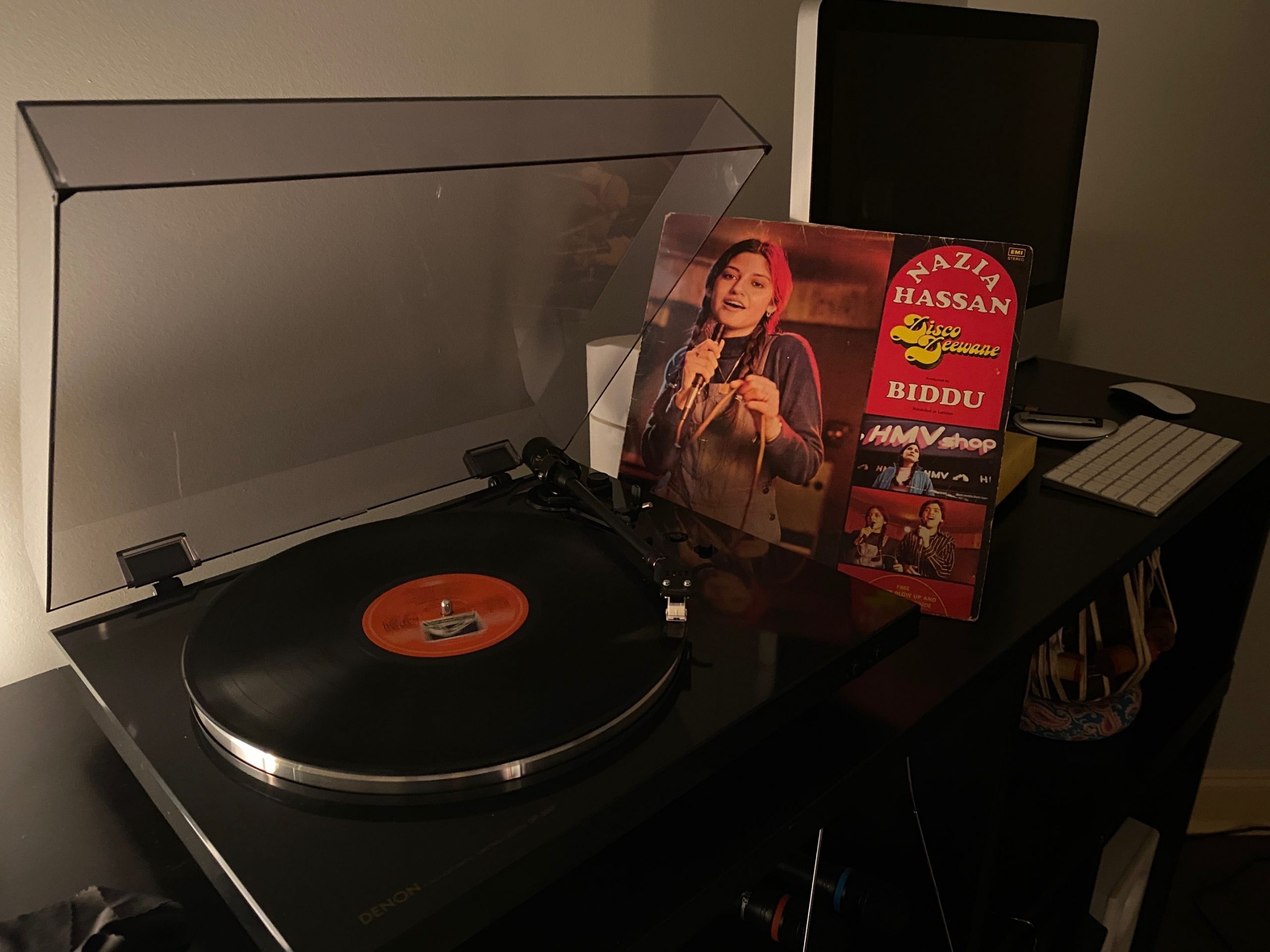
Disco Deewane … aha… aha…

The year was 1981. I was in 9th grade. Our house was on 9th street of Ranapratap Road. On the other side of the road was 16th street. The very first house on that street had a Malayali family. There were two kids – Jacob and Thomas – who went to my school (juniors). They always kept to themselves. Their dad used to do a lot of gardening and I used to say “Hi” to him on my numerous trips down that street to meet my best friend Avijit. Well, I did not say “Hi” so much as “Kaku, kemon aachhen?“.

There was one more thing I remember of that house – they had a record player (turntable). There were two particular records – whenever they played them – we used to stop playing whatever it was that we were playing (really the choices were between soccer or cricket depending on whether it was sweater worthy weather or not) and gather around their house to listen to the songs.

One of them was Disco Deewane. It used to sound very strange and very catchy to us. The strange part was because before that, our ears were brought up on a staple diet of Rabindrasangeet/Nazrulgeeti or Hindi Bollywood (soundtrack) songs.

And catchy because… well it was Disco. It took me five more years to even know what Disco meant.

Much later I found out this was the first non-movie-soundtrack (Bollywood) in India to take off and paved the way for later non-movie albums and singers. What I did not know – and found out from Wikipedia today – is that this topped the charts in a country like Brazil too!!

As a funny aside…
I believe the words go “Disco Deewane… aha aha”. That “aha aha” bit is interesting. In Bengali, we say “aha” when we appreciate something. Almost like saying “Bravo” or colloquially “Awesome”.

Those days, as much as I liked the album, I had never quite figured out why was Nazia singing the song and then commending herself by saying “aha aha”.

Yes, the memories of this album goes back to those tender years.

One more vinyl record I picked up from Free School Street in Kolkata last week.

25 December 2021

Eulogy to my parents – from a student of my mom

This one is written by Antara – my mom’s student from elementary school …
Incidentally, Antara and her parents moved into the same house when my parents moved to aa different one in 2005.
Also, Antara now lives close to our house in Atlanta!

Written on: Dec 23, 2021
Antara Choudhury

āĻļā§āϰāĻĻā§āĻ§ā§‡ā§Ÿ āĻŽāĻ¨ā§āϜ⧁āĻŽāĻŋāϏ āĻ“ āĻœā§‡āϠ⧁āϰ āĻ¸ā§āĻŽā§ƒāϤāĻŋāϚāĻžāϰāύāĻžā§Ÿ āĻ•āĻŋāϛ⧁ āĻ•āĻĨāĻž

āĻŽāĻ¨ā§āϜ⧁āĻŽāĻŋāϏ āϕ⧇ āĻĒā§āϰāĻĨāĻŽāĻŦāĻžāϰ āĻĻ⧇āĻ–āĻŋ āĻ•ā§āϞāĻžāϏ āĻ“ā§ŸāĻžāύ⧇āϰ āĻĒā§āϰāĻĨāĻŽāĻĻāĻŋāύāĨ¤ āφāĻŽāĻžāĻĻ⧇āϰ āĻ•ā§āϞāĻžāϏ⧇ āϤāĻŋāύāĻŸā§‡ āϏ⧇āĻ•āĻļāύ āĻ›āĻŋāϞ, A āφāϰ B āĻŦāĻžāĻ‚āϞāĻž āĻŽāĻŋāĻĄāĻŋ⧟āĻžāĻŽ, āφāϰ C āĻ›āĻŋāϞ āĻšāĻŋāĻ¨ā§āĻĻāĻŋ āĻŽāĻŋāĻĄāĻŋ⧟āĻžāĻŽāĨ¤ āϤāĻŋāύāĻŸā§‡ āϞāĻžāχāύ⧇ āĻĻāĻžāρāĻĄāĻŧāĻŋā§Ÿā§‡āĻ›āĻŋāϞāĻžāĻŽ āφāĻŽāϰāĻž ā§Ŧā§Ļ/ā§­ā§Ļ āϜāύ āĻ›āĻžāĻ¤ā§āϰāĻ›āĻžāĻ¤ā§āϰ⧀āĨ¤ āωāĻšā§āϚāϤāĻžā§Ÿ āϛ⧋āϟ āĻ›āĻŋāϞāĻžāĻŽ āĻŦāϞ⧇ āĻāĻ•āĻĻāĻŽ āϏāĻžāĻŽāύ⧇āχ āĻ›āĻŋāϞāĻžāĻŽ āφāĻŽāĻŋāĨ¤ āĻāĻ•āϟāĻž āϞāĻžāϞ āĻĒāĻžāĻĄāĻŧ, āϏāĻžāĻĻāĻž āϜāĻŽāĻŋāϰ āĻŦ⧁āϟāĻŋ āĻĻ⧇āĻ“ā§ŸāĻž āϤāĻžāρāϤ⧇āϰ āĻļāĻžāĻĄāĻŧāĻŋ, āĻ•āĻžāρāϧ⧇ āĻŦā§āϝāĻžāĻ— āφāϰ āĻšāĻžāϤ⧇ āĻ›āĻĄāĻŧāĻŋāĨ¤ āĻ›āĻĄāĻŧāĻŋāϟāĻžāϰ āĻ•āĻžāϰāύ⧇ āĻĒā§āϰāĻĨāĻŽāĻĻāĻŋāύ āĻāĻ•āϟ⧁ āϭ⧟āχ āĻĒā§‡ā§Ÿā§‡āĻ›āĻŋāϞāĻžāĻŽ, āĻ•āĻŋāĻ¨ā§āϤ⧁ āφāĻ¸ā§āϤ⧇ āφāĻ¸ā§āϤ⧇ āĻĒāϰāĻŋāϚ⧟ āĻŦāĻžāĻĄāĻŧāϞ⧇ āϏ⧇āχ āϭ⧟āϟāĻž āϕ⧇āĻŸā§‡ āϝāĻžā§ŸāĨ¤ āφāĻŽāĻŋ āĻ›āĻŋāϞāĻžāĻŽ B āϏ⧇āĻ•āĻļāύ⧇ āφāϰ āĻŽāĻ¨ā§āϜ⧁āĻŽāĻŋāϏ āĻ›āĻŋāϞ⧇āύ A āϏ⧇āĻ•āĻļāύ⧇āϰ āĻ•ā§āϞāĻžāϏ āϟāĻŋāϚāĻžāϰāĨ¤ āφāĻŽāĻžāĻĻ⧇āϰ āĻ…āĻ™ā§āĻ• āĻĒāĻĄāĻŧāĻžāϤ⧇āύ āωāύāĻŋāĨ¤ āĻšāĻžāϤ⧇ āϏāĻŦāϏāĻŽā§Ÿ āĻ›āĻĄāĻŧāĻŋ āĻĨāĻžāĻ•āϞ⧇āĻ“, āĻŸā§‡āĻŦāĻŋāϞ⧇ āφāĻ“ā§ŸāĻžāϜ āĻ•āϰ⧇ āĻ•ā§āϞāĻžāϏ⧇ āϚ⧁āĻĒ āĻ•āϰāĻžāύ⧋ āĻ›āĻžāĻĄāĻŧāĻž āφāϰ āϕ⧋āύ⧋ āĻŦā§āϝāĻžāĻŦāĻšāĻžāϰ āĻ•āϰāϤ⧇ āĻĻ⧇āĻ–āĻŋāύāĻŋāĨ¤ āĻ—āĻ­ā§€āϰ āĻŽāĻŽāϤāĻžā§Ÿ āφāĻ—āϞ⧇ āϰ⧇āϖ⧇ āĻĒāĻĄāĻŧāĻžāϤ⧇āύ āφāĻŽāĻžāĻĻ⧇āϰāĨ¤ āĻļ⧁āϧ⧁ āĻŦāĻŋāώ⧟ āύ⧟, āĻ•āϚāĻŋ āĻ•āĻžāρāϚāĻžāĻĻ⧇āϰ emotional growth āĻāϰ āĻ“āĻĒāϰ⧇āĻ“ āϏāĻŦ āϏāĻŽā§Ÿ āύāϜāϰ āϰāĻžāĻ–āϤ⧇āύāĨ¤ āĻĒāĻžāρāϚ āĻŦāĻ›āϰ āĻ“āύāĻžāϰ āĻ•āĻžāϛ⧇ āĻĒāĻĄāĻŧ⧇āĻ›āĻŋ, āĻšāĻžāϤ⧇ āϧāϰ⧇ āĻ…āĻ™ā§āĻ• āĻļāĻŋāĻ–āĻŋā§Ÿā§‡āϛ⧇āύ, āϭ⧁āϞ āĻļ⧁āϧāϰ⧇ āĻĻāĻŋā§Ÿā§‡āϛ⧇āύ, āĻāĻŽāύ āĻ•āĻŋ āϖ⧇āϞāĻžāϧ⧁āϞāĻžā§Ÿ āĻ‰ā§ŽāϏāĻžāĻš āĻĻāĻŋā§Ÿā§‡āϛ⧇āύāĨ¤

⧧⧝⧝ā§Ŧ āϤ⧇ āφāĻŽāĻŋ āφāϰ āĻŦāĻžāĻŦāĻž āϝāĻ–āύ ⧝/ā§Ē āĻŦāĻžāĻĄāĻŧāĻŋāϟāĻž āĻĻ⧇āĻ–āϤ⧇ āϝāĻžāχ, āϖ⧁āĻŦ āϖ⧁āĻļāĻŋ āĻšā§Ÿā§‡āĻ›āĻŋāϞ⧇āύāĨ¤ āφāĻŽāĻŋ āϤāĻ–āύ āĻ•ā§āϞāĻžāϏ āĻŸā§‡āύ⧇ āĻĒāĻĄāĻŧāĻŋāĨ¤ āϘ⧁āϰ⧇ āĻĻ⧇āĻ–āĻŋā§Ÿā§‡āĻ›āĻŋāϞ⧇āύ āĻŦāĻžāĻ—āĻžāύ⧇āϰ āĻ—ā§‹āϞāĻžāĻĒ āĻ—āĻžāĻ›, āϛ⧋āĻŸā§āϟ āĻšāϞ⧁āĻĻ āĻšā§‡āϰ⧀āĻ—ā§‹āĻ˛ā§āĻĄ āĻĢ⧁āϞ⧇āϰ āĻ—āĻžāĻ›, āωāĻ ā§‹āύ⧇āϰ āύāĻžāϰāϕ⧇āϞ āĻ—āĻžāĻ› āϏāĻŦāĨ¤ āφāĻŽāĻŋāĻ“ āϖ⧁āĻŦ āϖ⧁āĻļāĻŋ āĻāϤ āϏ⧁āĻ¨ā§āĻĻāϰ āĻŦāĻžāĻĄāĻŧāĻŋ āφāĻŽāĻžāĻĻ⧇āϰ āĻšāĻŦ⧇ āϏ⧇āχ āφāĻļāĻžā§ŸāĨ¤ āĻœā§‡āϠ⧁āϰ āϏāĻžāĻĨ⧇ āĻĒā§āϰāĻĨāĻŽ āφāϞāĻžāĻĒ āϏ⧇āĻĻāĻŋāύāχāĨ¤ āĻœā§‡āϠ⧁ āφāĻŽāĻžāϕ⧇ āĻĻ⧇āϖ⧇ āĻŦāϞāϞ⧇āύ, “āĻ•ā§āϞāĻžāϏ āĻŸā§‡āύ āϖ⧁āĻŦ āϗ⧁āϰ⧁āĻ¤ā§āĻŦāĻĒā§‚āĻ°ā§āĻŖ āϏāĻŽā§ŸāĨ¤ āĻ āĻŦāĻžāĻĄāĻŧāĻŋāϰ āĻĒāĻĄāĻŧāĻžāĻļā§‹āύāĻžāϰ āĻāĻ•āϟāĻž āϐāϤāĻŋāĻšā§āϝ āφāϛ⧇āĨ¤â€ āϰāĻžāĻœā§€āĻŦāĻĻāĻž āϤāĻ–āύ āĻāϞāĻžāĻ•āĻžā§Ÿ āĻŽā§‹āϟāĻžāĻŽā§āϟāĻŋ āĻŦāĻŋāĻ–ā§āϝāĻžāϤ.. āĻœā§Ÿā§‡āĻ¨ā§āϟ, āφāχ āφāχ āϟāĻŋ āϤ⧇ āϟāĻĒ rank, āĻĒāĻŋāύāĻžāύāĻĻāĻž āĻ“ āĻŦā§‹āϧāĻšā§Ÿ āϤāĻ–āύ āĻāϞāĻžāĻšāĻžāĻŦāĻžāĻĻ āφāϰāχāϏāĻŋ āĻĨ⧇āϕ⧇ āĻĒāĻžāĻļ āĻ•āϰ⧇ āϗ⧇āϛ⧇āĨ¤ āφāĻŽāĻŋ āĻāĻ•āϟ⧁ āϭ⧟āχ āĻĒā§‡ā§Ÿā§‡ āϗ⧇āĻ›āĻŋāϞāĻžāĻŽ āĻœā§‡āϠ⧁āϰ āĻĒā§āϰāĻļā§āύ⧇ “āϕ⧀, āĻ āĻŋāĻ• āĻ•āϰ⧇ āĻĒāĻĄāĻŧāĻžāĻļā§‹āύāĻž āĻ•āϰāĻŦ⧇ āϤ⧋? āϐāϤāĻŋāĻšā§āϝāϟāĻž āϤ⧋ āĻŦāϜāĻžā§Ÿ āϰāĻžāĻ–āϤ⧇ āĻšāĻŦ⧇, āύāĻžāĻ•āĻŋ?” āĻŽāĻ¨ā§āϜ⧁āĻŽāĻŋāϏ āφāĻŽāĻžāϰ āĻ•āĻŽā§āĻĒāĻŽāĻžāύ āĻ…āĻŦāĻ¸ā§āĻĨāĻž āφāĻ¨ā§āĻĻāĻžāϜ āĻ•āϰ⧇ āφāρāϚāϞ⧇āϰ āφāĻĄāĻŧāĻžāϞ⧇ āύāĻŋā§Ÿā§‡ āĻŦāϞ⧇āĻ›āĻŋāϞ⧇āύ “āĻ•āϰāĻŦ⧇, āĻ•āϰāĻŦ⧇āĨ¤ āĻ…āĻ¨ā§āϤāϰāĻžāĻ“ āĻĒāĻĄāĻŧāĻžāĻļā§‹āύāĻžā§Ÿ āĻ­āĻžāϞ⧋, āĻ“ āĻ­āĻžāϞ⧋āχ āĻ•āϰāĻŦ⧇āĨ¤â€

āϤāĻžāϰāĻĒāϰ āĻŽāĻŋāϏāϰāĻž āϚāϞ⧇ āϗ⧇āϞ⧇āύ āϏ⧇āĻ¨ā§āϟ āĻĒāϞāϏ āϰ⧋āĻĄā§‡āϰ āĻŦāĻžāĻ‚āĻ˛ā§‹ā§Ÿ, āφāϰ āφāĻŽāϰāĻž āĻāϞāĻžāĻŽ ⧝/ā§Ē āĻāĨ¤ āĻ…āύ⧇āĻ• āϗ⧁āϞ⧋ āĻŦāĻ›āϰ āĻāĻ­āĻžāĻŦ⧇āχāĨ¤ āĻ•āϞāĻ•āĻžāϤāĻž āĻĨ⧇āϕ⧇ āĻŦāĻžāĻĄāĻŧāĻŋ āĻāϞ⧇, āĻŦāĻŋāϜ⧟āĻžā§Ÿ, āύāĻŦāĻŦāĻ°ā§āώ⧇ āĻŽāĻŋāϏ⧇āϰ āϏāĻžāĻĨ⧇ āĻĻ⧇āĻ–āĻž āĻ•āϰāϤ⧇ āϝ⧇āϤāĻžāĻŽ āϏ⧇āĻ¨ā§āϟ āĻĒāϞāϏ āϰ⧋āĻĄā§‡āϰ āĻŦāĻžāĻ‚āĻ˛ā§‹ā§ŸāĨ¤ āϰāϏāĻ—ā§‹āĻ˛ā§āϞāĻž āĻ–āĻžāĻ“ā§ŸāĻžāϤ⧇āύ āĻĒā§āϰāϤāĻŋāĻŦāĻžāϰāĨ¤ “āύāĻž āϖ⧇āϞ⧇ āϚāϞāĻŦ⧇āύāĻž, āĻŦāĻĄāĻŧ āĻšāĻšā§āĻ›āĻŋāϏ āύāĻž? āĻ“āϟ⧁āϕ⧁ āϖ⧇āϤ⧇ āĻšāĻŦā§‡â€ āĻŦāϞāϤ⧇āύāĨ¤ āĻœā§‡āϠ⧁ āĻ–ā§‹āρāϜ āύāĻŋāϤ⧇āύ āĻĒāĻĄāĻŧāĻžāĻļā§‹āύāĻžāϰ, āϚāĻžāĻ•āϰāĻŋāϰāĨ¤ āĻ•āϞ⧇āϜ āĻļ⧇āώ āĻ•āϰ⧇ āĻ•āĻ—āύāĻŋāĻœā§‡āĻ¨ā§āϟ āĻœā§Ÿā§‡āύ āĻ•āϰāĻžāϰ āφāϗ⧇ āĻĻ⧇āĻ–āĻž āĻ•āϰāϤ⧇ āĻ—āĻŋā§Ÿā§‡āĻ›āĻŋāϞāĻžāĻŽāĨ¤ āϖ⧁āĻŦ āϖ⧁āĻļāĻŋ āĻšā§Ÿā§‡āĻ›āĻŋāϞ⧇āύāĨ¤ āĻœā§‡āϠ⧁ āĻ“ āĻŦāϞ⧇āĻ›āĻŋāϞ⧇āύ, “āĻŦāĻžāĻšā§ āĻ­āĻžāϞ⧋ āϚāĻžāĻ•āϰāĻŋ, āϖ⧁āĻŦ āĻ­āĻžāϞ⧋ āĻŽāĻžāχāύ⧇ āĻĻā§‡ā§Ÿ āĻ“āϰāĻžāĨ¤â€ āϚāĻžāĻ•āϰāĻŋ āĻĒāĻžāĻ“ā§ŸāĻžāϰ āĻĒāϰ āϘāύāϘāύ āĻĻ⧁āĻ°ā§āĻ—āĻžāĻĒ⧁āϰ āϝāĻžāĻ“ā§ŸāĻž āĻ•āĻŋāϛ⧁āϟāĻž āĻ•āĻŽā§‡ āϗ⧇āϞ⧇āĻ“, āĻŽāĻžāĻā§‡āĻŽāĻ§ā§āϝ⧇ āϝ⧇āϤāĻžāĻŽ – āĻŦāĻŋāĻļ⧇āώāϤ āĻŦāĻŋāϜ⧟āĻžā§ŸāĨ¤ āĻœā§‡āϠ⧁āϰ āĻŦāĻžāϜāĻžāϰ āϝ⧇āϤ⧇ āĻŦ⧇āĻļ āĻ…āϏ⧁āĻŦāĻŋāϧ⧇ āĻšāϤ⧋, āφāĻ¸ā§āϤ⧇ āφāĻ¸ā§āϤ⧇ āĻšāĻžāρāϟāϤ⧇āύāĨ¤ āĻāĻ•āĻĻāĻŋāύ āĻŦāϞāϞ⧇āύ āϛ⧇āϞ⧇ āĻŽā§‡ā§Ÿā§‡ āϚāĻžāχāϛ⧇ āĻ•āĻ˛ā§āϝāĻžāύāĻŋ āϤ⧇ āĻ—āĻŋā§Ÿā§‡ āĻĨāĻžāĻ•āϤ⧇, āĻŦāĻžāĻ‚āϞ⧋ āϟāĻž āĻŦāĻŋāĻ•ā§āϰāĻŋ āĻ•āϰ⧇ āĻ•āĻ˛ā§āϝāĻžāύāĻŋ āϤ⧇ āĻĢā§āĻ˛ā§āϝāĻžāϟ āϕ⧇āύāĻžāϰ āĻ•āĻĨāĻž āϚāϞāϛ⧇āĨ¤

āĻļ⧇āώāĻŦāĻžāϰ āĻĻ⧇āĻ–āĻž āĻšā§Ÿā§‡āĻ›āĻŋāϞ āĻ•āĻ˛ā§āϝāĻžāύāĻŋ āϚāϞ⧇ āϝāĻžāĻ“ā§ŸāĻžāϰ āφāϗ⧇āĨ¤ āĻĻ⧁āĻ°ā§āĻ—āĻžāĻĒ⧁āϰ āϛ⧇āĻĄāĻŧ⧇ āϝ⧇āϤ⧇ āĻāĻ•āϟ⧁ āĻŦāĻŋāώāĻ¨ā§āύ āĻ›āĻŋāϞ⧇āύāĨ¤ āĻŦāϞ⧇āĻ›āĻŋāϞ⧇āύ āϛ⧇āϞ⧇ āĻŽā§‡ā§Ÿā§‡ āĻŽāĻŋāϞ⧇ āϏāĻŦ āĻŦā§āϝāĻŦāĻ¸ā§āĻĨāĻž āĻ•āϰ⧇ āĻĻāĻŋā§Ÿā§‡āϛ⧇āĨ¤ āϏ⧋āĻŽāĻžāĻĻāĻŋāϰ āĻŦāĻŋāĻ˛ā§āĻĄāĻŋāĻ‚ āĻāχ āĻĢā§āĻ˛ā§āϝāĻžāϟāĨ¤

āĻŽāĻ¨ā§āϜ⧁ āĻŽāĻŋāϏ āφāϰ āĻœā§‡āϠ⧁āϰ āĻ¸ā§āύ⧇āĻšāĻ­āϰāĻž āĻĒā§āϰāĻļā§āϰ⧟, āφāϰ āĻ…āύ⧁āĻĒā§āϰ⧇āϰāύāĻž āϚāĻŋāϰāĻĻāĻŋāύ āĻ‰ā§ŽāϏāĻžāĻš āϝ⧋āĻ—āĻžāĻŦ⧇āĨ¤ āĻ“āύāĻžāĻĻ⧇āϰ āĻĒā§āϰāύāĻžāĻŽ āϜāĻžāύāĻžāχ āĻ“ āφāĻ¤ā§āĻŽāĻžāϰ āĻļāĻžāĻ¨ā§āϤāĻŋ āĻ•āĻžāĻŽāύāĻž āĻ•āϰāĻŋāĨ¤

24 December 2021

“Yaara teri yaari ko… maine to khuda maana”

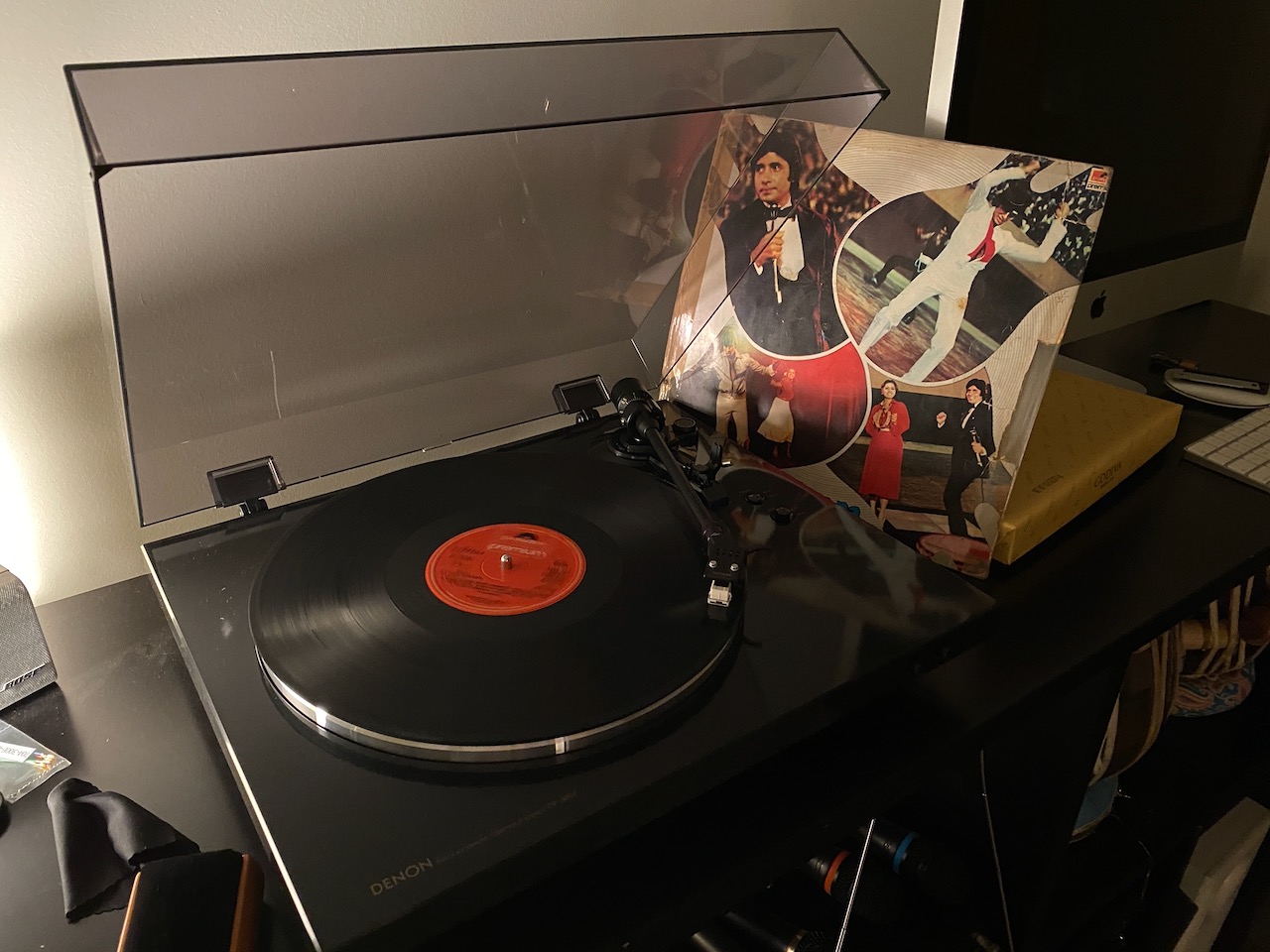
While in Kolkata, went to Free School Street and got a few more vinyl records. This time, I focused on some of the Hindi movie songs that we used to hum during our school days.

Yaarana – a favorite of Sharmila’s and mine – was the first one I brought out tonight and listened to with her.

I remember how much I used to love the tune of those words…

“Yaara teri yaari ko
Maine toh khuda maana
Yaad karegi duniya
Tera mera afsaana
Tere jaisa yaar kahan
Kahan aisa yaarana”