21 January 2022

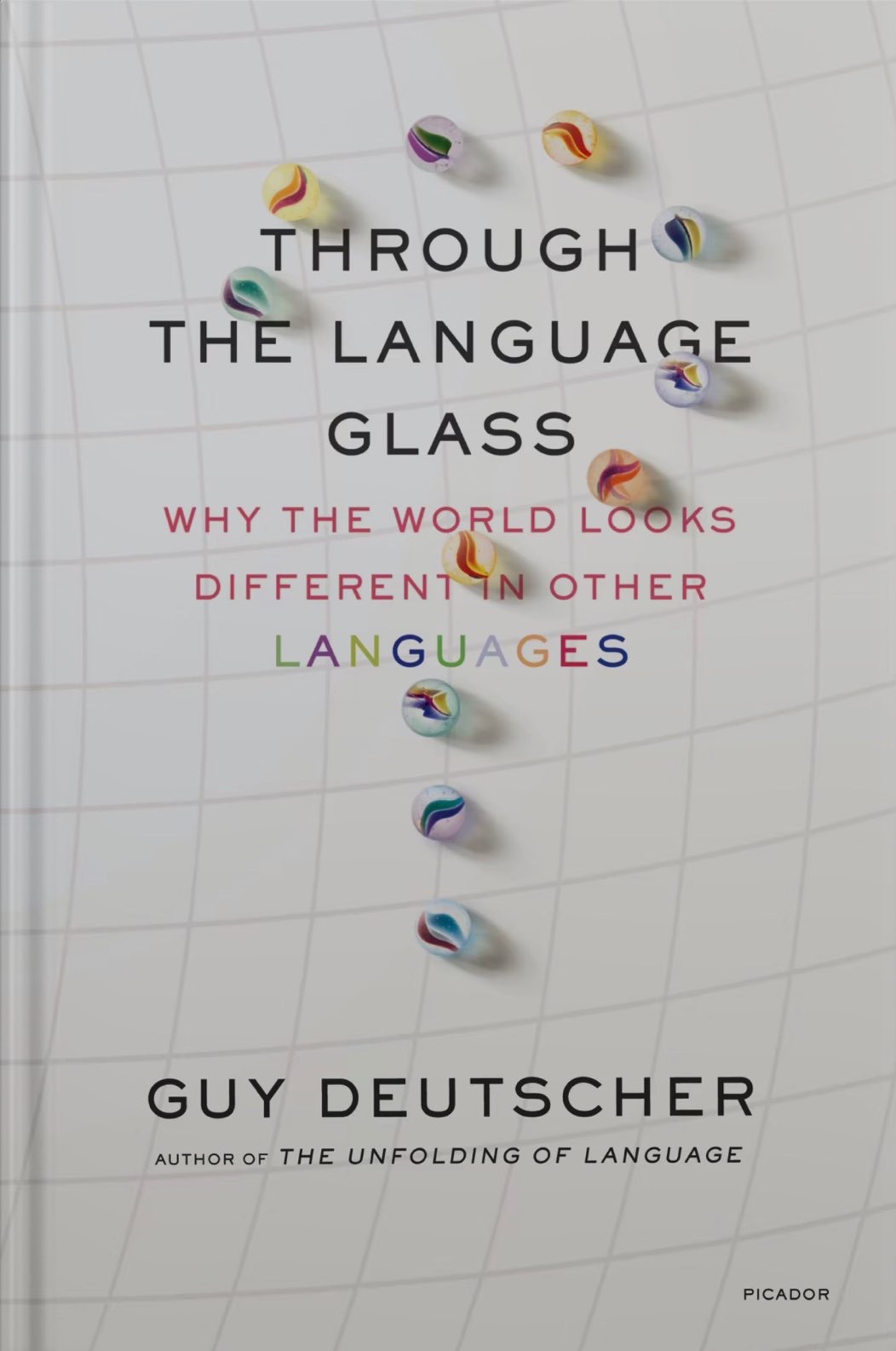
Book Review – “Through the Language Glass”

By Guy Deutscher

Why the World Looks Different in Other Languages

I forget which book, but somewhere I had read that Russians have two different words for what we club as “blue”. And they “see” two different colors if you showed them the whole spectrum of “blue” whereas we see one. That had given rise to an interesting question in my mind – Does our perception of the world get affected by our mother tongue (the language we learn to express what we perceive by) or do we all perceive the same thing – we just express it differently?

During Covid, downloaded a book after quite some research – Through the Language Glass and was fascinated by what I learnt.

Found out that Russians are likely to find it ridiculous that English speakers think of two different colors – “siniy” and “goluboj” – as one color – blue. They fail to understand how we do not clearly perceive two different colors. We just don’t see how these are different. If pressed, we will admit, one is simply “deep” blue (think deep ocean color) and the other is “light” blue (this about the Caribbean waters). Conversely, we are likely to find it ridiculous that the Ovaherero people in Namibia do not see the two colors – green and blue as two different colors. We wonder – “What’s wrong with you? How can you say blue trees and green sky?”. It is not like they do not register in their brain as two different colors – it is just that they do not see what is the big need to call them two different colors. Just like we don’t see the need to label deep blue and light blue differently in normal life.

Grammar is yet another area where how we think of events get influenced deeply. Take verbs for example. In English, you have to convey to the audience the “tense” of the verb. You have to pass on the perception of if the event happened in the past, present or future. But you do not need to pass on the perception of the “person” (subject) who for example “walked”. In Arabic though, both the tense and the person is embedded in the verb. In Chinese, neither is embedded. The language grammar influences what you think are the important things to be conveyed during aa conversation.

Different languages force the speaker to pay attention to different aspects of the world every time you try to speak or listen. As an interesting (and somewhat extreme) example, there are Amazon tribes (like Matses) where you cannot just say “Rajib ran by our street”. The language will force you convey either experience (did you see him run) or evidence (he left his water bottle by your gate) or conjecture (he always runs by our street) or hearsay (your neighbor told you he ran by your street).

The most fascinating one is how certain folks (scattered all over the world – Polynesia, Mexico, Bali, Nepal, Namibia, Madagascar) have no concept of left or right. Just the four cardinal directions. Imagine that. Regardless of where they are, they always have an accurate sense of what is North!!

Even gender biases show up in how we see the world. Time and again, an experiment has been done – almost always with the same results. A bunch of Spanish folks and a bunch of German folks are shown a picture of a bridge and asked to describe it in adjectives. The Spanish – for whom bridge is a masculine noun (“el puente”) – use words like big, dangerous, long, strong, sturdy, towering… and the Germans – for whom bridge is a feminine noun (“die Brucke”) see it as beautiful, elegant, fragile, peaceful, pretty and slender!

There are many more such interesting examples from different languages. Eventually, the author answers the question that I had – although apparently, the answer has been settled for good only in the last half century – the language you speak in absolutely biases you regarding how you perceive the world.

Highly recommend this book if this is an interest area for you.
20 January 2022

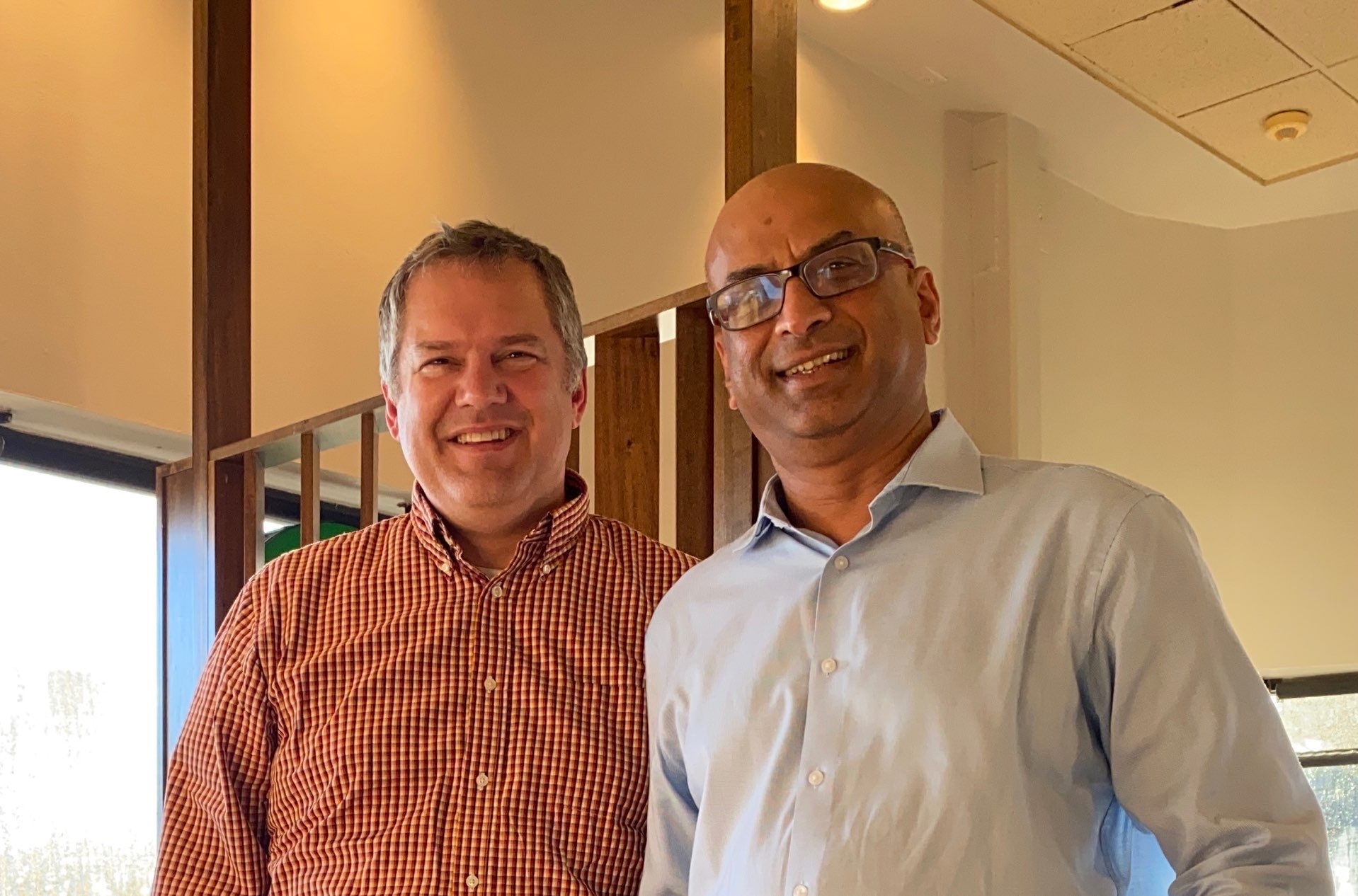
Dear old friend from 20 years back!

Geoff Dougall!!

So many idle chats we had had back in the late 90s and early 00s. Theoretically solving in our heads all the problems that the company we worked in was facing. Sometimes, Ted Dimbero used to join us and mostly leave us in splits with his inimitable humor.

I remember the Dougall family visiting us in our house in Coppell, TX. I think Geoff had a couple of kids and we had only Natasha. Then Geoff left the company and Dallas and joined his dad in the CPA firm he owned in Portland, OR.

I had to meet this gentleman this time when I was in Portland for a few hours. And what a gentleman he still is. It was a delightful couple of hours catching up on his family, his kids and how he has grown his business. Then there were those exchanging of notes on beautiful vacation spots and the discussions around politics in US and the geopolitical situation in the world.

Like good old times, theoretically, we solved a lot of problems. Instead of our company’s this time it was for the whole world!! Coming to think of it, if I were to solve any of world’s problems, I sure want this gentleman on my side!!

16 January 2022

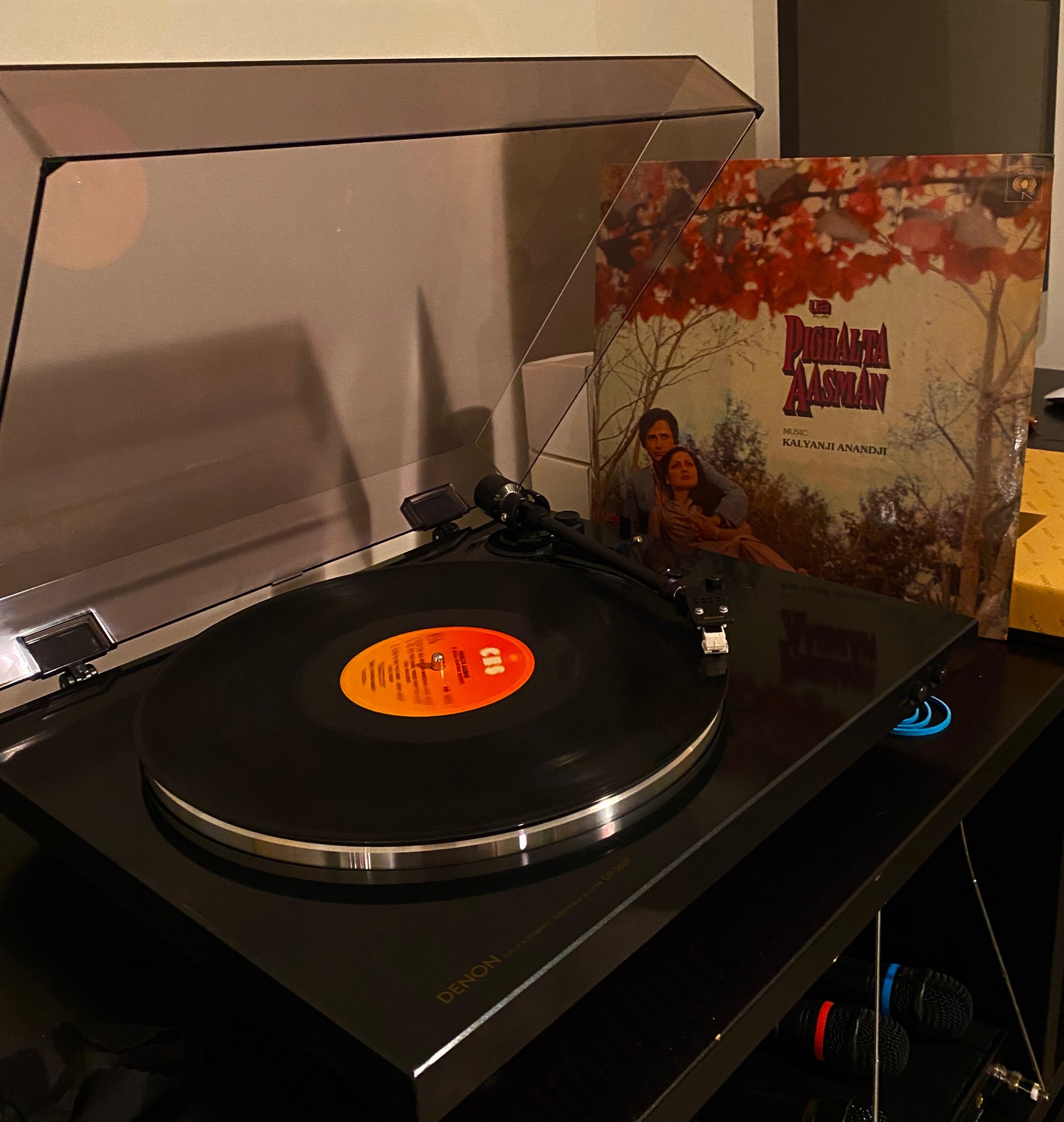
Pighalta Aasman

I had just entered my Engineering college in 1985. One of the first things I had bought for myself was a small radio. Mostly to listen to songs. It was probably early 1986 when a song caught my ear – “Teri Meri Prem Kahani“. Not only did I find the tune catchy, I also liked the rhyming of the words “kitab-on“, “sharab-on“, “gulab-on“, “nawab-on” and how they were used in the lyrics. It probably mattered that those were some of the few Hindi words I actually understood at that time!

Later I discovered another song from the same movie – Pighalta Aasman – “Mujhe Aisa Milaa Moti” – that stuck on to me for a long time. Very different kind of tune but memorable, all the same!

Tonight, that was the vinyl record I brought out from the collection I bought in Kolkata this time, cleaned it up and put it on… and in a small way, relived those days from four decades back!

16 January 2022

Longstanding project completed

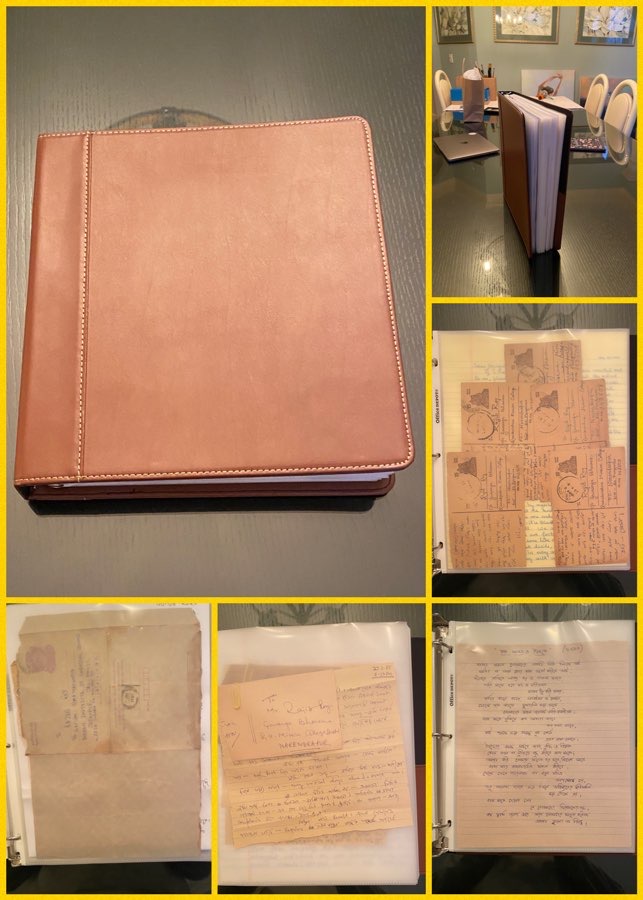
Original plan was to use the downtime during year end to get all the handwritten letters that I still have neatly organized by person and in chronological fashion. Of course, Covid took my year end away. However, with the long weekend here, I finally got it done.

Some of the letters are from 1984! The “inland letters” of India are ready to just crumble up. Had to use a lot of caution to restore them. You can see some of the olden days “postcards” too.

The earliest letter is from my dad in 1984 followed by my best friend Avijit Bose’s. The latest one is from Madhuri Agrawal from Singapore from a few weeks back.

Some of the letters from my parents were too difficult for me to hold my tears back.

I told Sharmila about my project.

“I have organized the letters that I still have and some of the ones that I wrote”
“How do you have letters that you wrote?”
“Well, for international letters, I take a photocopy. Just in case they get lost, I email the photocopy to the recipient later.”

“How come you do not write any letters to me anymore?” was her next question.
“What?”
“You used to write to me before marriage. How come you write to others still but not to me?”
“Why would I write to you? We live under the same roof. Moreover, we are on talking terms.”

Apparently, that did not convince her.

Maybe that Covid-time realization on silence might be not too futile after all.

I can foresee a day when she would ask me “How was dinner?”
Vowed to silence, I would furtively pen a letter and mail it. (BTW, our new house is bang opposite the post office.)
She can open up the wax sealed envelope a few days later and read out loudly “Needed a little more salt!” Or something like that!!!

14 January 2022

From the bartender’s corner – it is like magic!

From an earlier post, you might remember how I had run into an old bartender friend – Tathagata – in Westin hotel in Kolkata last month. If you carefully notice the picture in that post, you will see a small jar of some black stuff on the right bottom corner.

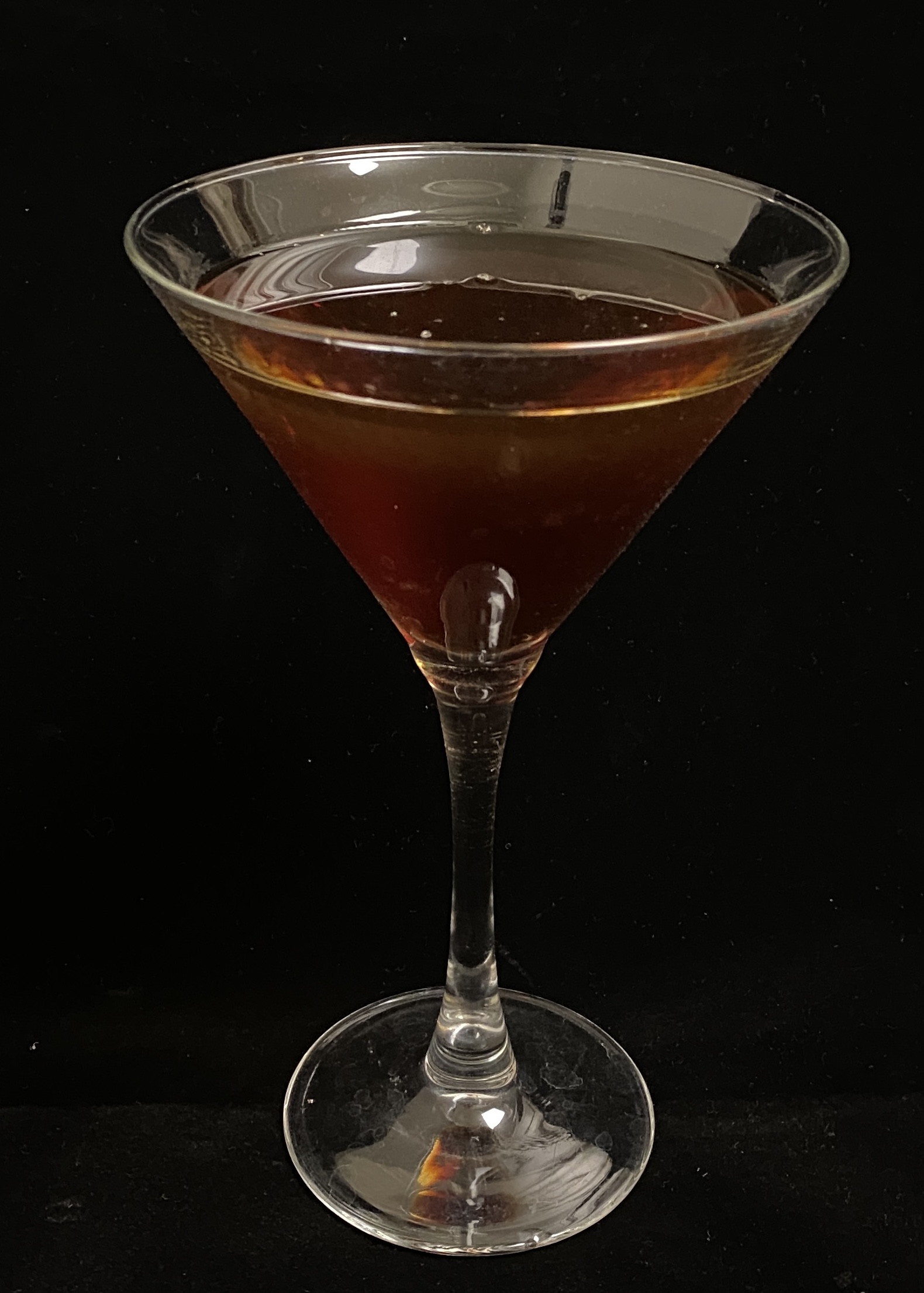
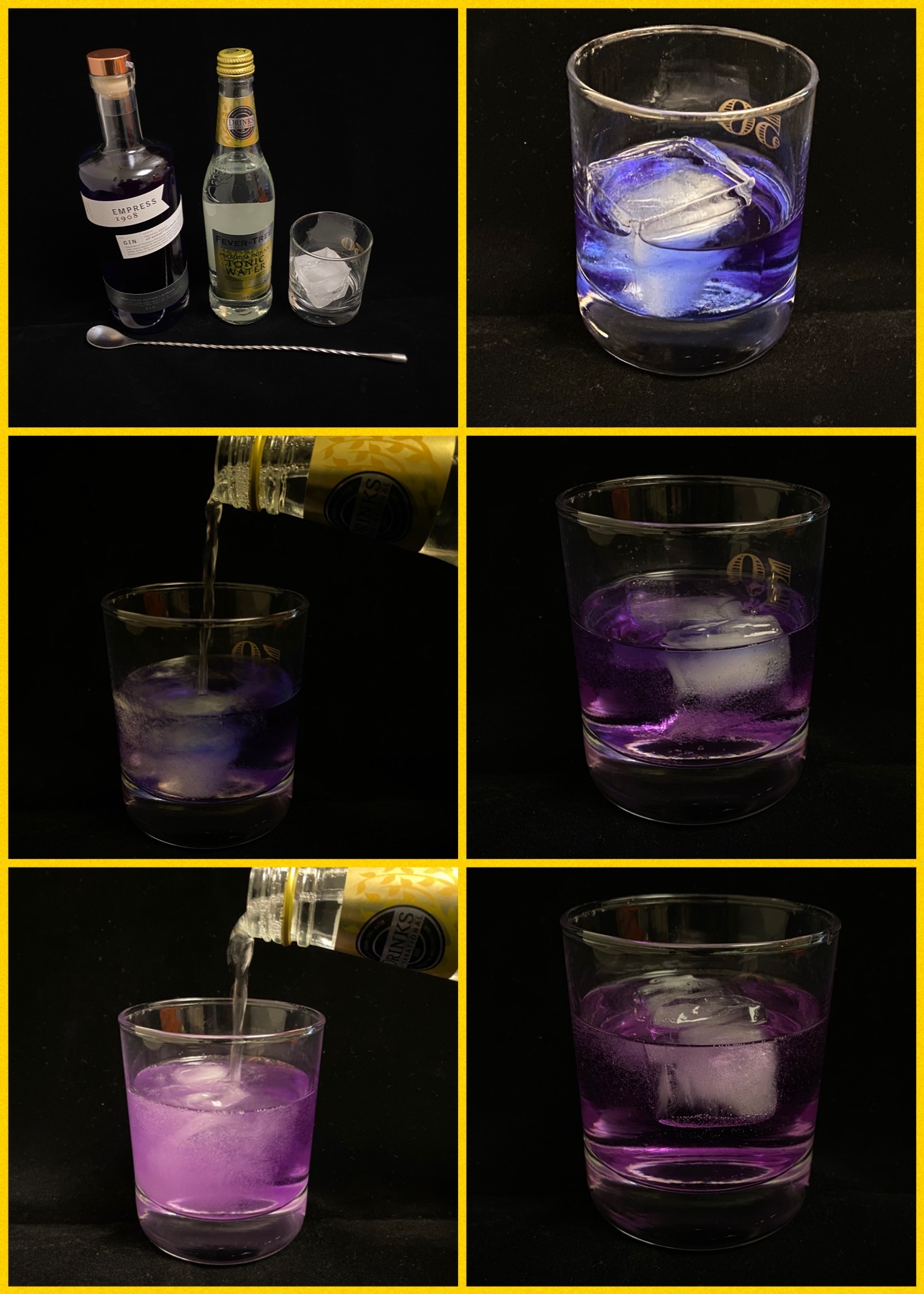
That is one of the tricks I learnt from Tathagata that day. Those are butterfly pea flowers. He infuses them into gins which renders the gin a dark blue color. Here is the cool thing… as you pour tonic water into the gin, it changes its color to pink!!

Instead of getting butterfly pea flowers, I found a gin – Empress 1908 – made in Canada that actually uses these flowers in the latter stages of the distillation process. The result is a dark blue gin. Since gins usually do not have color, you might mistakenly think that the bottle is blue in color.

I was making the usual gin and tonic for Sharmila last evening when I decided to try out the trick. You can see how the bright blue gin slowly becomes lavender in color and then becomes bright pink. Pretty awesome!

Incidentally, it is a great gin too!!

BTW, I should have used white background for these pictures and not black.

9 January 2022

Superuna

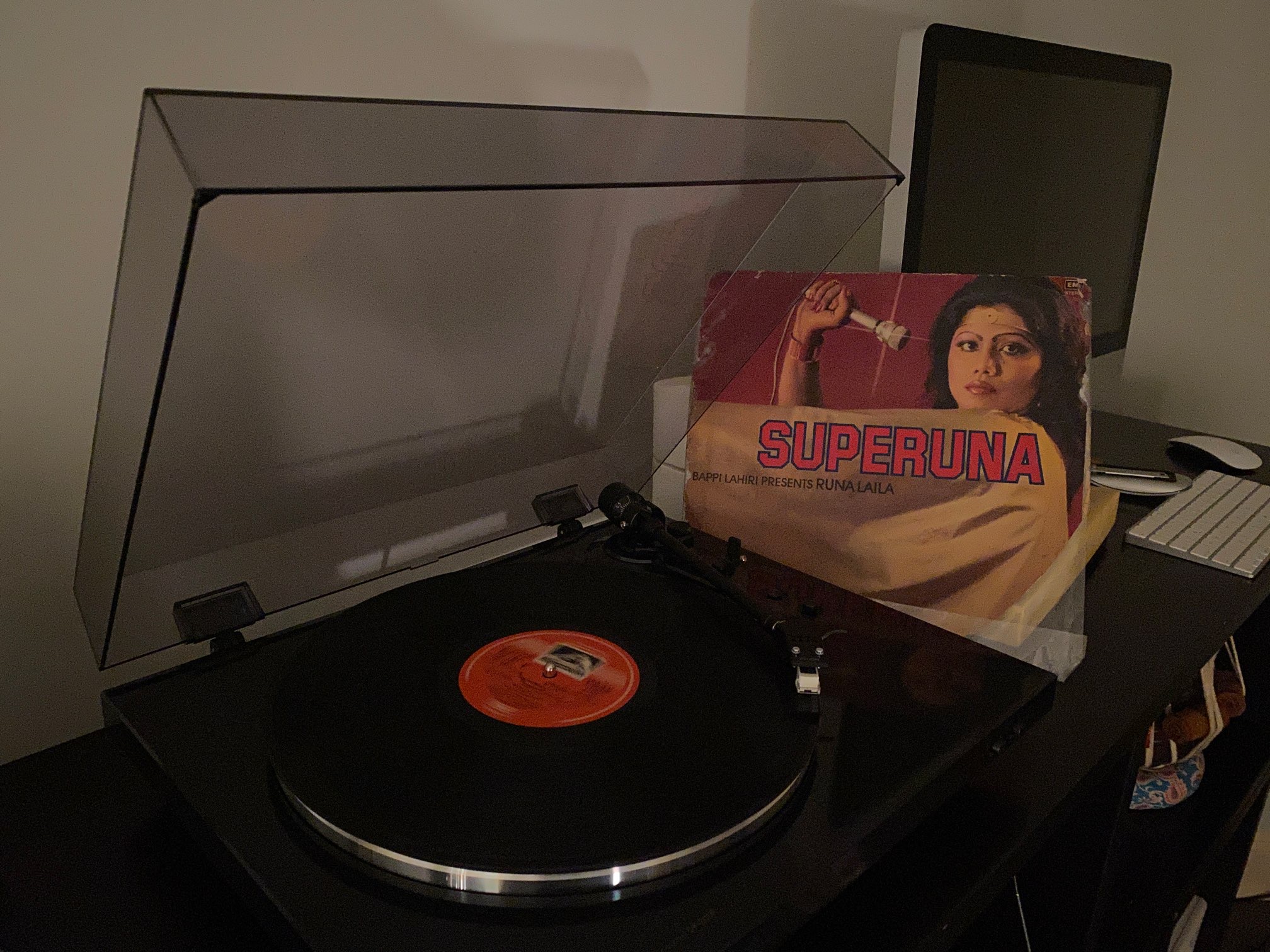
After the 1981 Disco Deewane, brought out another vinyl record this evening that was actually released just the next year (1982). I was preparing for my Board exams when this album by Runa Laila (from Bangladesh) hit the streets. I remember finding the tunes very catchy those days.

My favorites were – “Suno suno meri yeh kahani suno” and “De De Pyar De”. The tune of the last one is actually completely taken from a popular folk song in Bengal where the farmer sings to the Rain God for rains to come so he can till the land.

The composer – Bappi Lahiri – had a bit of a reputation for plagiarizing tunes from other places.