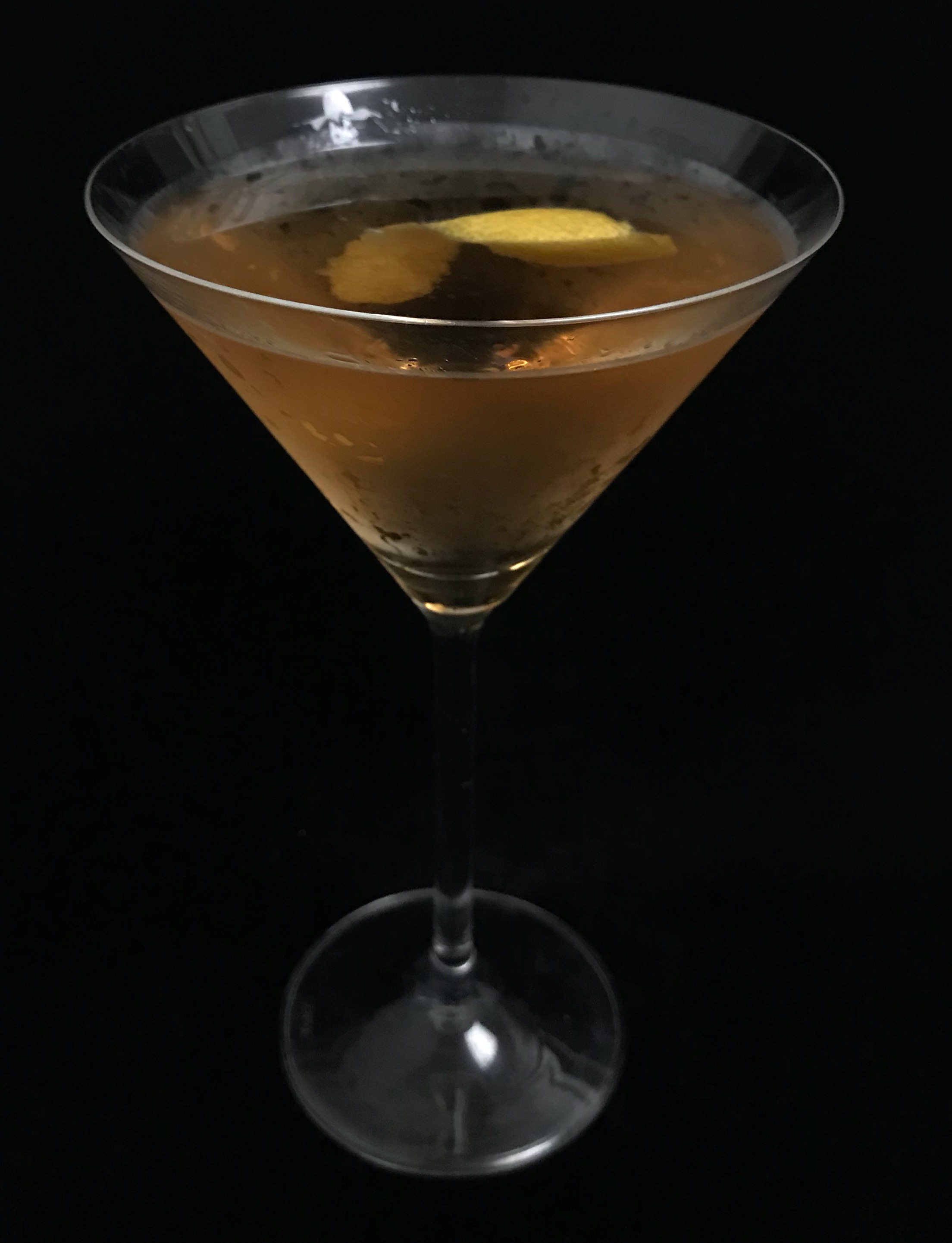
From the bartender’s corner – “Only” Vesper
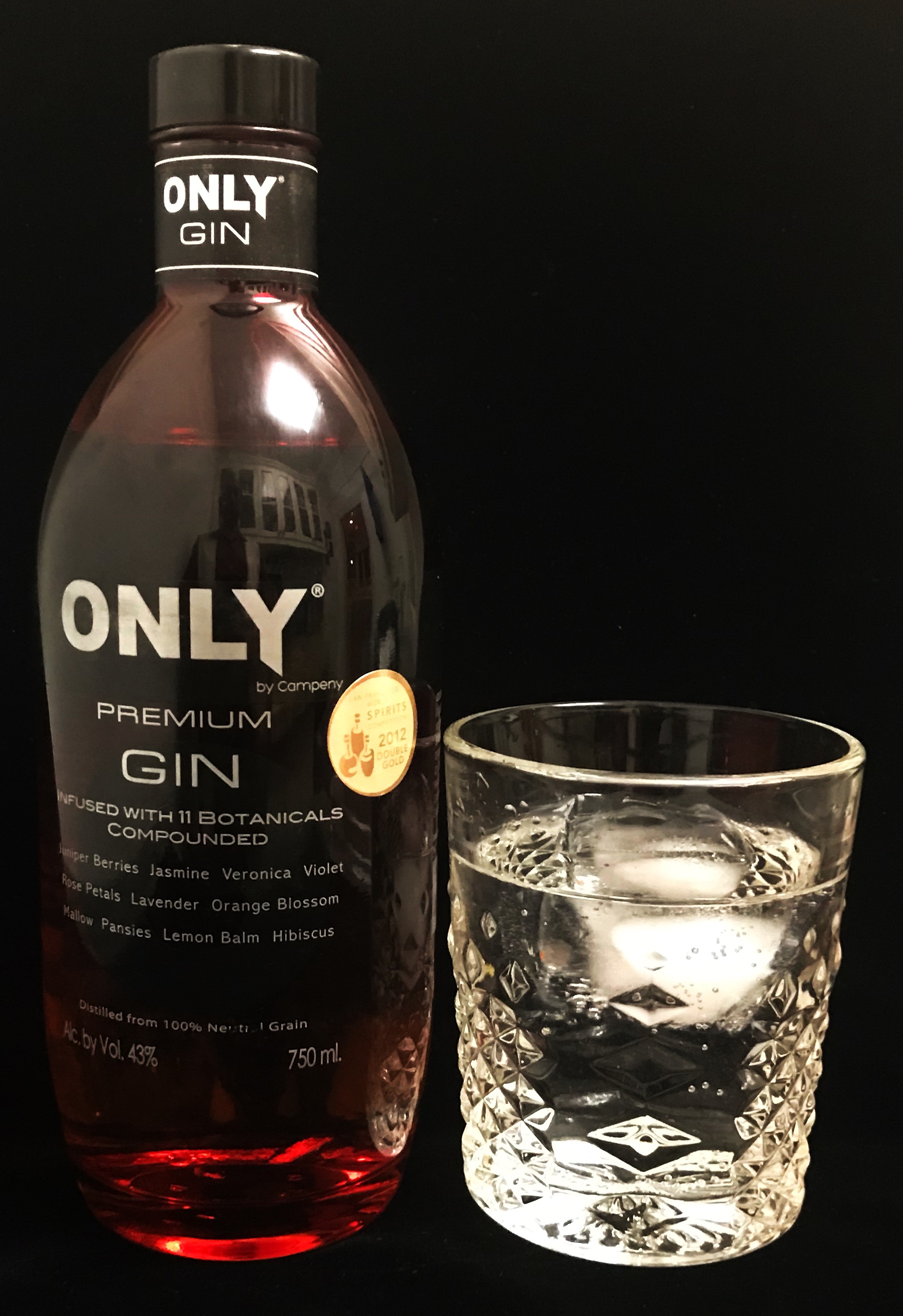
From the bartender’s corner: Gin #22 – “Only” Gin
It is sort of an unique name “Only”. This gin is distilled in Spain – near Barcelona to be precise. The base is neutral grain spirit and then during the distillation process the following are infused: juniper berries, jasmine, lemon balm, hibiscus, violet, rose petals, mallow, lavender, pansies, veronica and orange blossom.
From the botanicals, you can guess – and you would be right – that this is a very flowery gin. The nose and the finish is distinctly flowery. The palette was a little flat.
The bottle is a nice red and orange one.
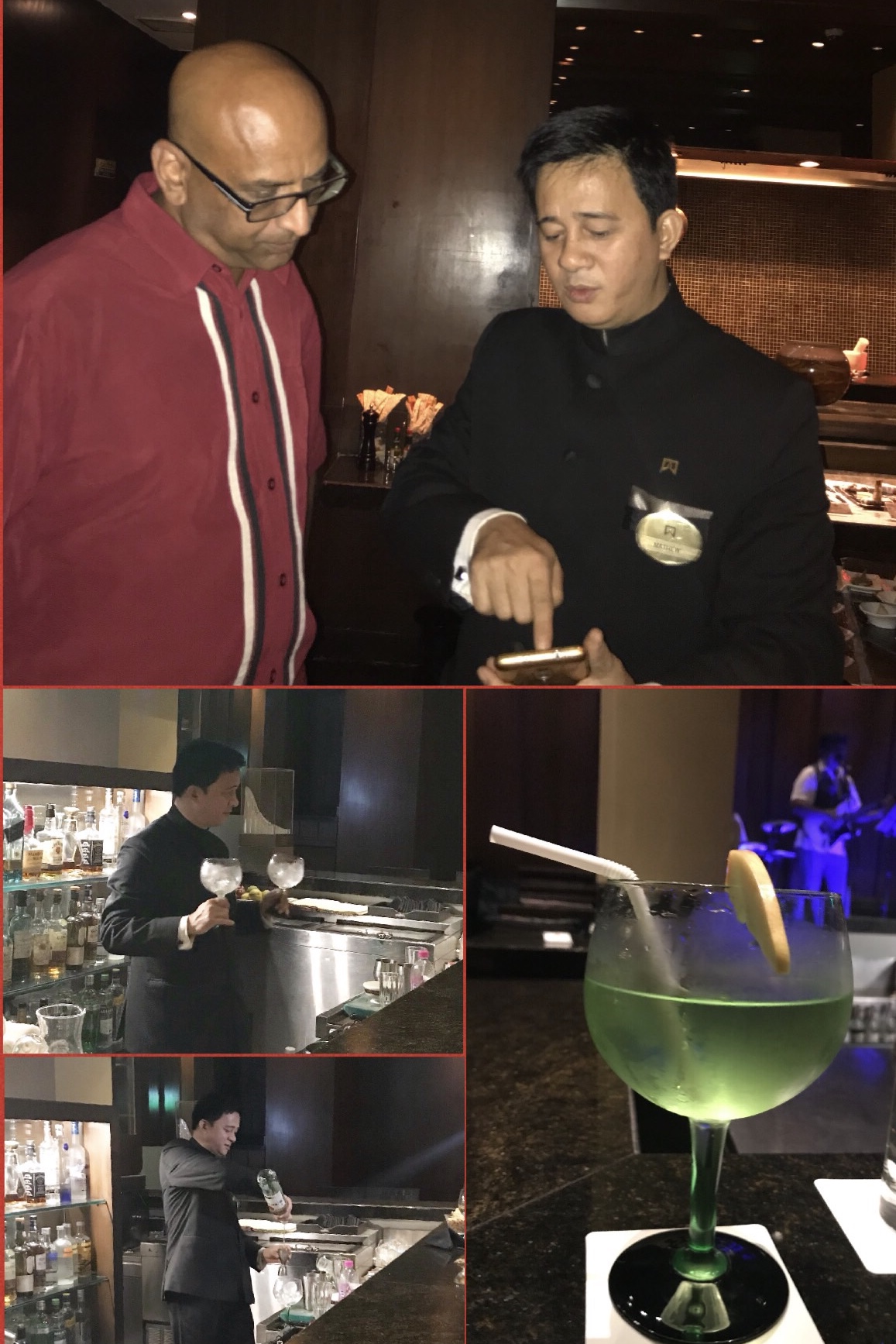
Tried with gin and tonic first.

From the bartender’s corner – Vancouver
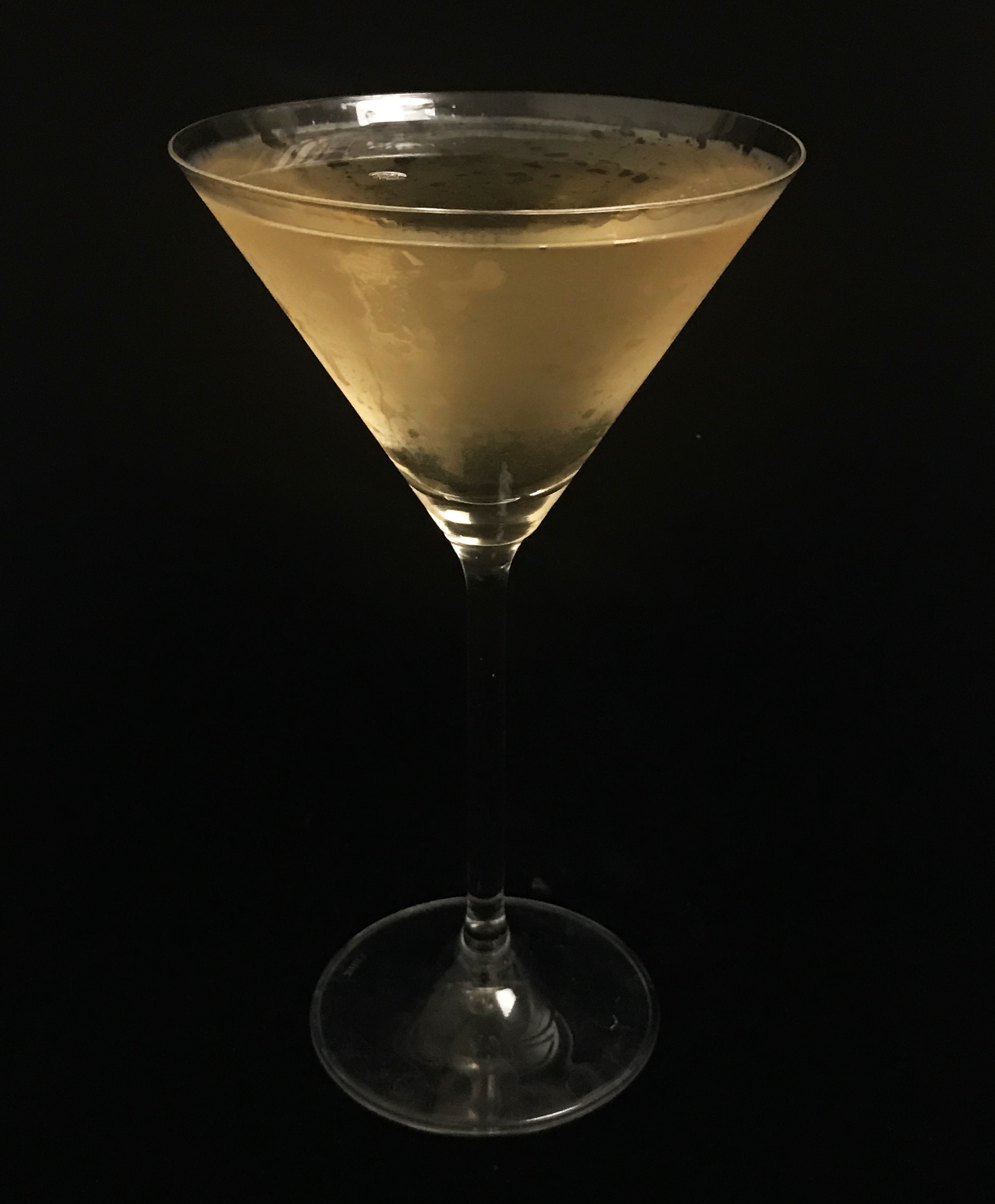
This is a rather uncommon gin cocktail. It is a close cousin of the very traditional Martinez. Instead of maraschino liqueur, the twist in this drink is the Benedictine. This drink was created in the middle of last century in Sylvia Hotel overlooking the English Bay in Vancouver.
The ingredients include gin, sweet vermouth, Benedictine and orange bitters.

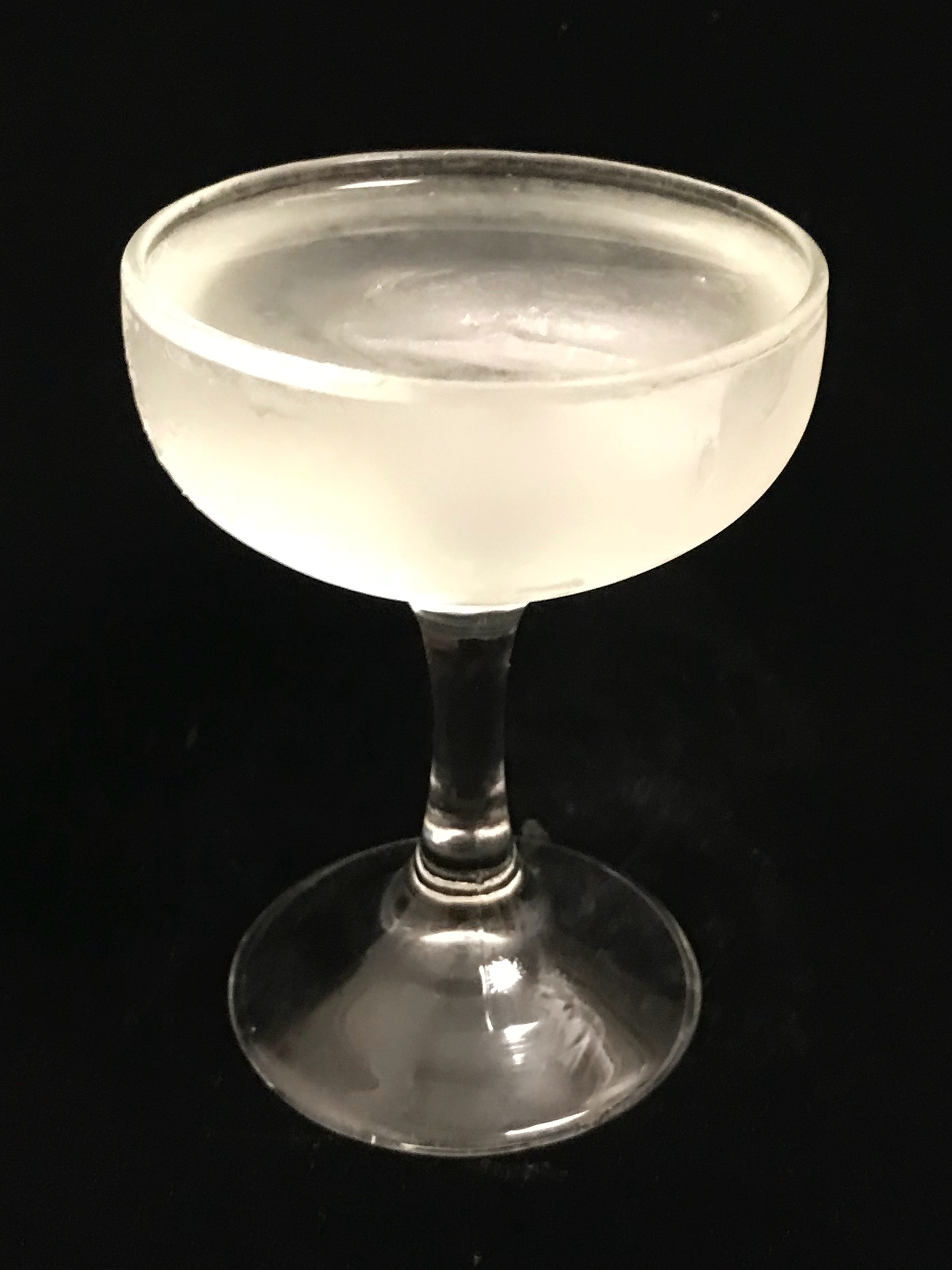
From the bartender’s corner – Secret Martini
From the bartender’s corner: Gin #21 – Filliers Dry Gin 28
This is a gin from Belgium. In fact, the distillers – Filliers – originally were farmers who diversified into distilling genever (he original grandfather of modern day gin) back in the 1800s. It was in 1928 that they moved to making gin.
The gin has 28 different botanicals and herbs (thus the number in the name). Most of the ingredients are kept secret. However, they do let you know that other than the standard botanicals like juniper and cardamoms and such, they have Belgian hops and Belgian Angelica roots while the allspice is sourced from Jamaica and the oranges are sourced from Spain.
Overall, very enjoyable gin. I liked it neat better than with tonic water. Although at 92 proof, the tonic water will not drown your Filliers. The nose is distinctly citrusy (you cannot escape the effect of oranges). The palette is more creamy and orange-y (which is what Iiked). There is the slight bitter after taste from the hops and finally the finish has the distinct juniper breath. Very smooth.

From the bartender’s corner – Egress
From the bartender’s corner – Wedgewood Cooler
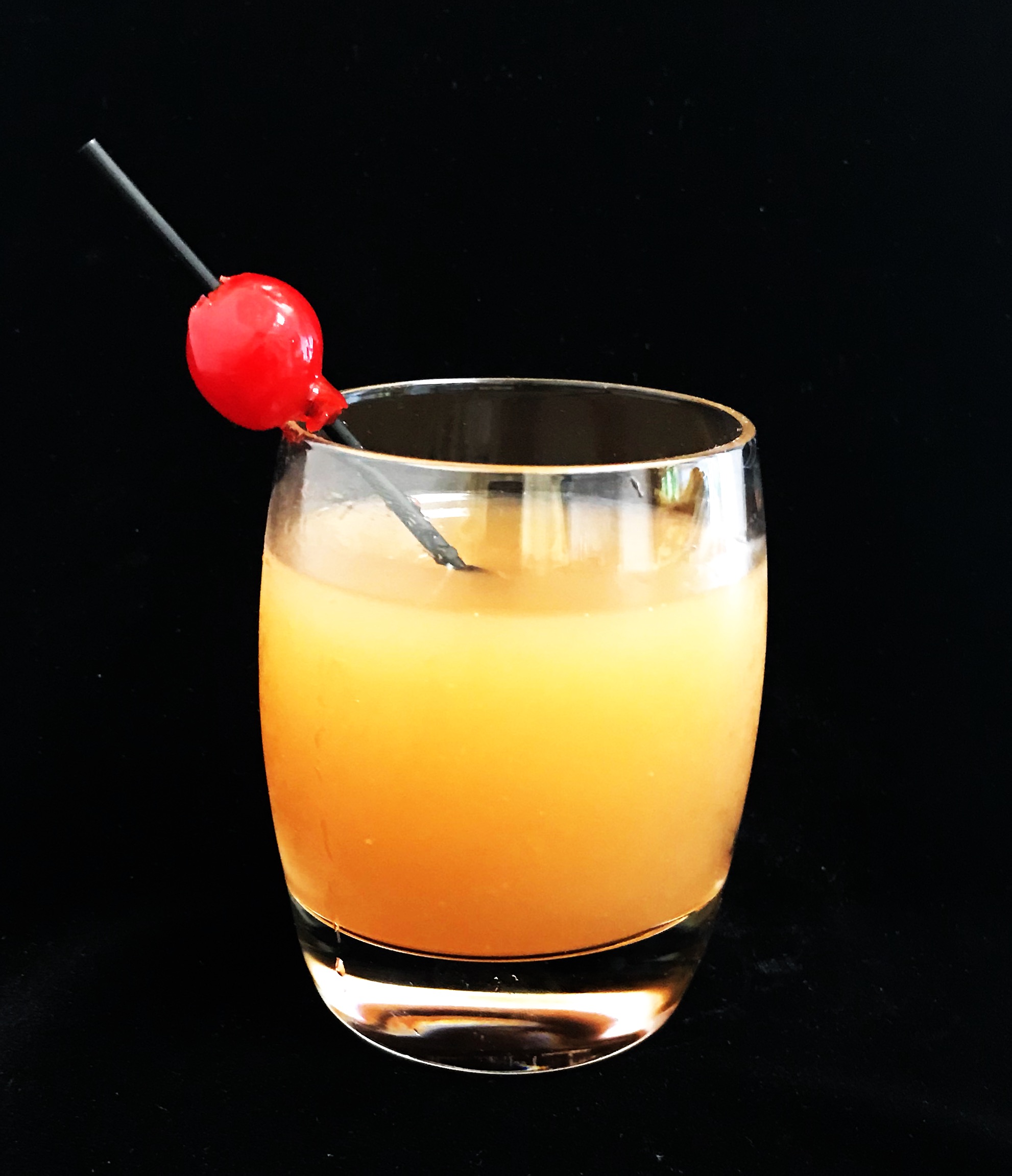
From the bartender’s corner – Tom Collins
What good would an Old Tom like Hayman’s be if not tried in a Tom Collins? The gin absolutely lived up to its promise. The cocktail itself is very soothing – especially in the warm evenings now in Atlanta.
This is made from gin, fresh lemon juice, fine sugar (I took the easy way of using simple syrup) and soda water. Usually garnished with an orange peel and a cherry.

From the bartender’s corner – Gin #20: Hayman’s Old Tom Gin
To refresh our memories, a Old Tom Gin was the middle stage in the evolution of modern day gin (most prevalent style being London Dry gin) from the original forefather of gin – Genever which was typically aged in a barrel. Old Toms, unlike London Dry was marked by their slight sweetness which was added during the distillation process.
While Hayman Distillers in UK was originally founded in 1820, it really came of being in 1863 (the year is marked on the bottle) when the family the runs it still took it over. It is one of the oldest continuously running distilleries in UK. Interestingly, Old Tom Gins had completely died in the 20th century. Towards the beginning of this century, this was revived upon request from many bartenders who were looking to diversify the repertoire of cocktails.
Made from a base of grain, this Old Tom Gin has juniper, almond, orange peels, lemon peels, lavender, ginger, coriander and Licorice roots in it.
Hayman’s Old Tom starts with a flowery (lavender) and citrus (lemon and orange) nose. To the palate, it is clearly sweeter than most gins and the junipers and spice start coming out if you hold it for a few seconds. Has a considerable length – mostly sweet – in the finish.