4 November 2018

From the bartender’s corner – Itzamana

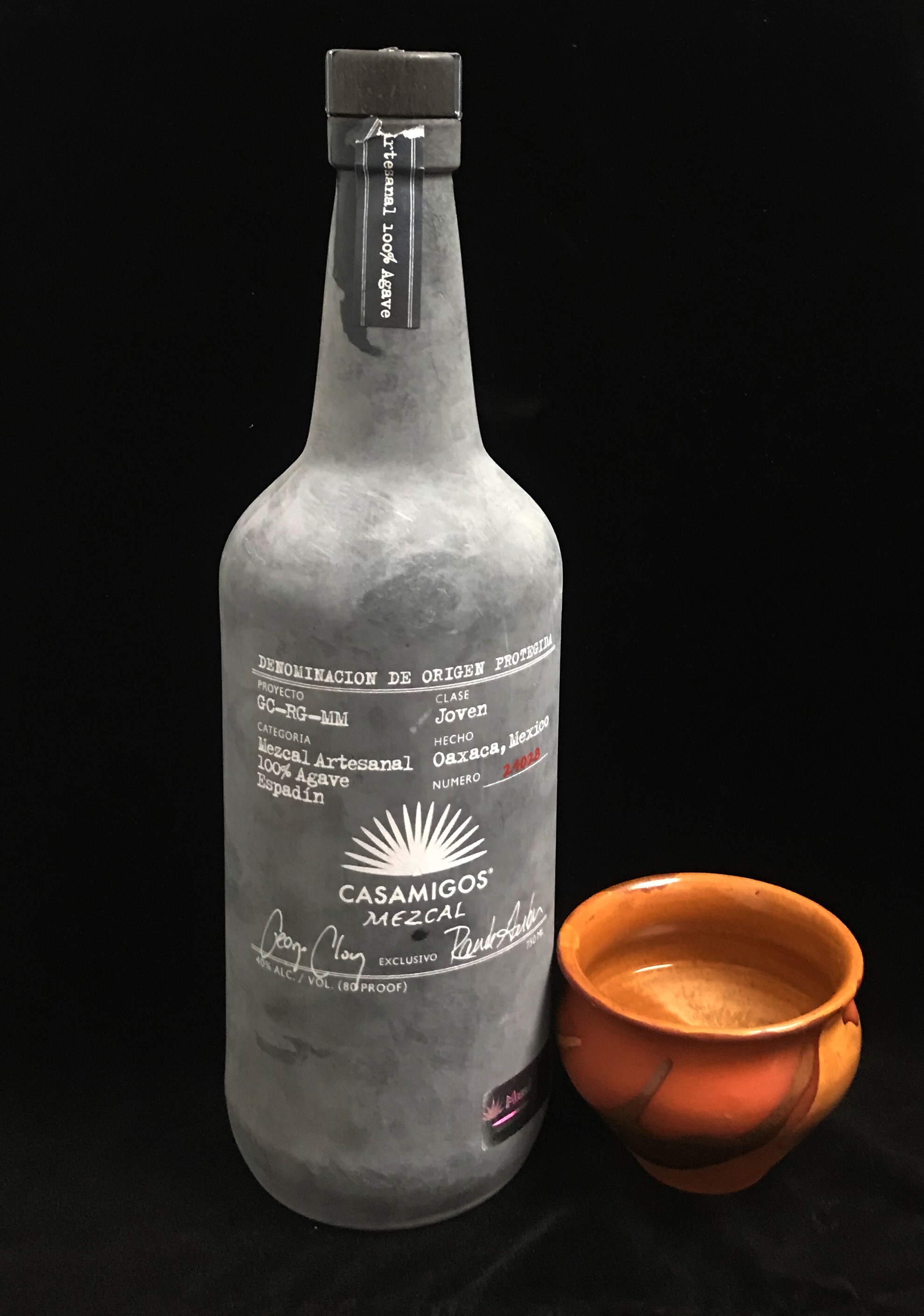
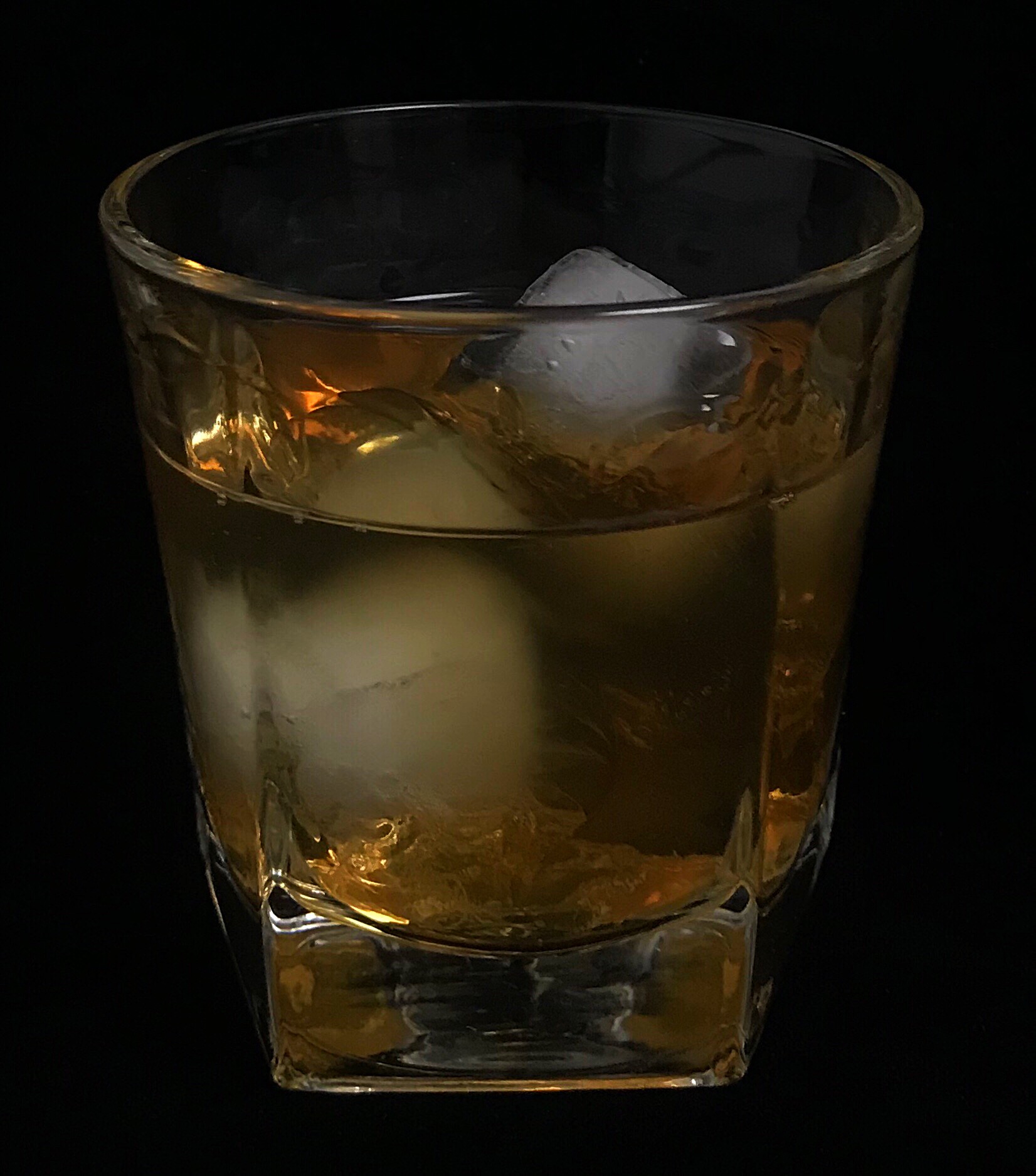
That is an interesting name. Almost sounded like an Indian or Middle Eastern name. This cocktail is featured by Del Maguey. The original creators were Winston Greene and Adam Poley from Santa Fe, Mexico. This has mezcal, cynar (you can experiment with campari or aperol instead), orange liqueur and maraschino.

Tasted great. While the mezcal’s aroma was there, the palate was overwhelmingly brought in by the other ingredients.

28 October 2018

Why do we say “stir-crazy”?

Last night, I was texting one of my friends to check up on him and he mentioned that he was going “stir-crazy”. Apparently, he had been in his basement the whole day working on stuff. We decided to go out for a quick drink. In about half an hour, we were at his favorite cigar place. My first question to him was “Why do we say ‘stir-crazy'”? Why “stir”? Both of us laughed it away since we had not a clue.

Of course, “stir-crazy” means to go crazy or disoriented after being cooped up or confined to one place for a long time.

This morning, as I started researching it, I ran into a very interesting history of the phrase. I did not realize that it came into American English as a slang among prisoners all the way from the gypsy language local to Romania via a particular prison in England!!

This is what I have constructed so far:

The word “stir” actually refers to “prison”. In England, during the nineteenth century, “stir” was a slang term used to refer to prisons. In the earlier part of twentieth century, the same use of the word caught up in America – especially as a slang term used by prisoners.

The origin for that slang use lies in a particular prison in England – the notorious Newgate prison – which was referred to as “Start” by the prisoners. Eventually, all prisons were colloquially called “Start”.

The word “start” itself had nothing to do with the English word “start”. It was actually derived from the Romani word “stardo” meaning imprisoned. In fact, Romani – the language spoken by the gypsies in Romania area has a lot of words with that root to mean something to do with prisons – e.g. “sturiben” is a prison and “staripen” is to imprison.

The only part that I have not been able to connect is the following – while scholars agree that the root of the slang “start” is the Romani language, why did the Victorian age thieves land up with a Romani word. Were there many gypsies in the prison? Was there some other reason?

Well, I am going to stop my research before I go stir-crazy! Ha, ha!!

27 October 2018

From the bartender’s corner – El Otro Verde

This is from the bar at Palenque Mezcaleria in Denver. I believe the originator of this recipe is one Nathan Schmit.
This is Mezcal with Grappa. I never thought the strong earthy tones of mezcal can be ever matched or overpowered by anything. I was wrong. Try grappa. One caution – both are very strong. So, make sure you keep sucking orange slices with slightly sprinkled salt if you can.

23 October 2018

Puzzle of the week : Capitals of the world

I have finally been able to memorize all the country names and their capitals. For this purpose, I am defining countries as those 195 that are recognized by the United Nations. Some interesting puzzle questions emanate from that:

Take a guess at these questions and write down if you want in the Comment section. Then check with Google (or wait for a day – I will publish the answers). Do NOT write the answers here AFTER Googling.

1. The smallest number of letters in any country capital is 4. For example: Rome. How many such 4 letter country capitals are there? Can you name them?
2. How many countries have the capital name same as the country name? e.g. Singapore capital is Singapore. How many can you name?
3. Now, some capitals are the same as the country name with the word “City” attached. e.g. capital of Mexico is Mexico City. Similarly, what are the other countries that have the same pattern of capital names?
4. Many countries, during their early ages, had certain cities flourish because of trade – that happened mostly thru sea waters. Thus you will see many of those countries have a port as their capital. Some of them even have the name Port in their capital name. e.g. “Port Au Prince” for Haiti. What are the other capital names that you can come up with that have Port in it?
5. Many capital cities were named after certain Saints. They tend to have names starting with St., San, and so on. How many of them can you come up with?
6. Which are the capital cities that start with the letter “Y”?
7. How about “Z”?
8. Which is the most common first letter for capital names? Meaning more capital names start with this letter than any other letter. There are an astounding 25 of them!
9. A couple of countries have an apostrophe in their capital names. Can you name them?
10. Now the final one: What is the capital (legislative capitals) of Sri Lanka and Myanmar? Hint: I did not realize that they had moved their capitals recently.

20 October 2018

From the bartender’s corner – Ginger’s Lost Island

Picked up the recipe from Food and Wine magazine. The creator of this is mixologist Bryan Dayton at the Oak at Fourteenth in Boulder, Colorado.

This is an explosion in your palate. Just check out the ingredients. Plus that earthy overtones of mezcal…

Cinnamon, Cardamom, Ginger Liqueur, Agave Nectar, Apple juice, fresh lime juice and of course, mezcal.

The proper garnish would be an apple fan but I am fresh out of apples at home!!

14 October 2018

From the bartender’s corner – Jewel of Oaxaca

One of the better cocktails involving mezcal. Mango pulp, fresh lime juice, jalapeno muddled, sugar syrup and mezcal.
Before you taste it, you might want to take in the aroma first. It is all mango. Moment it touches your tongue, the palate is all petrichor. But when you have finally gulped it, the sting of the jalapeno all over your mouth for a long time!