27 January 2017

This will surely surprise you!

While studying up about gin, I started researching the consumption patterns in the world. The first thing I wanted to know is which is the country that consumes the most gin in a year per capita (per person). The research led me to a country that I would not have guessed even if my life depended on it. That made me curious about other alcohols and then subsequently, non-alcoholic drinks. The answers will blow your mind. Try this for yourself. (The year signifies which year research data I could get to in the internet).

First, without Googling, take a shot. And then see how close were you. For the answers, just click the following link that will take you to the answers. http://www.rajibroy.com/?p=12555. Also, if you find statistics from later years, please send them my way…

Which country drinks annually, on a per person basis, the following:

a. Gin (2012)
b. Beer (2014)
c. Rum (2012)
d. Whiskey (2012)
e. Vodka (2012)
f. Wine (2015)
g. Tequila (2012)
h. Milk (2014)
i. Tea (2014)
j. Coffee (2014)

22 January 2017

From the bartender’s corner – Malfy Anise

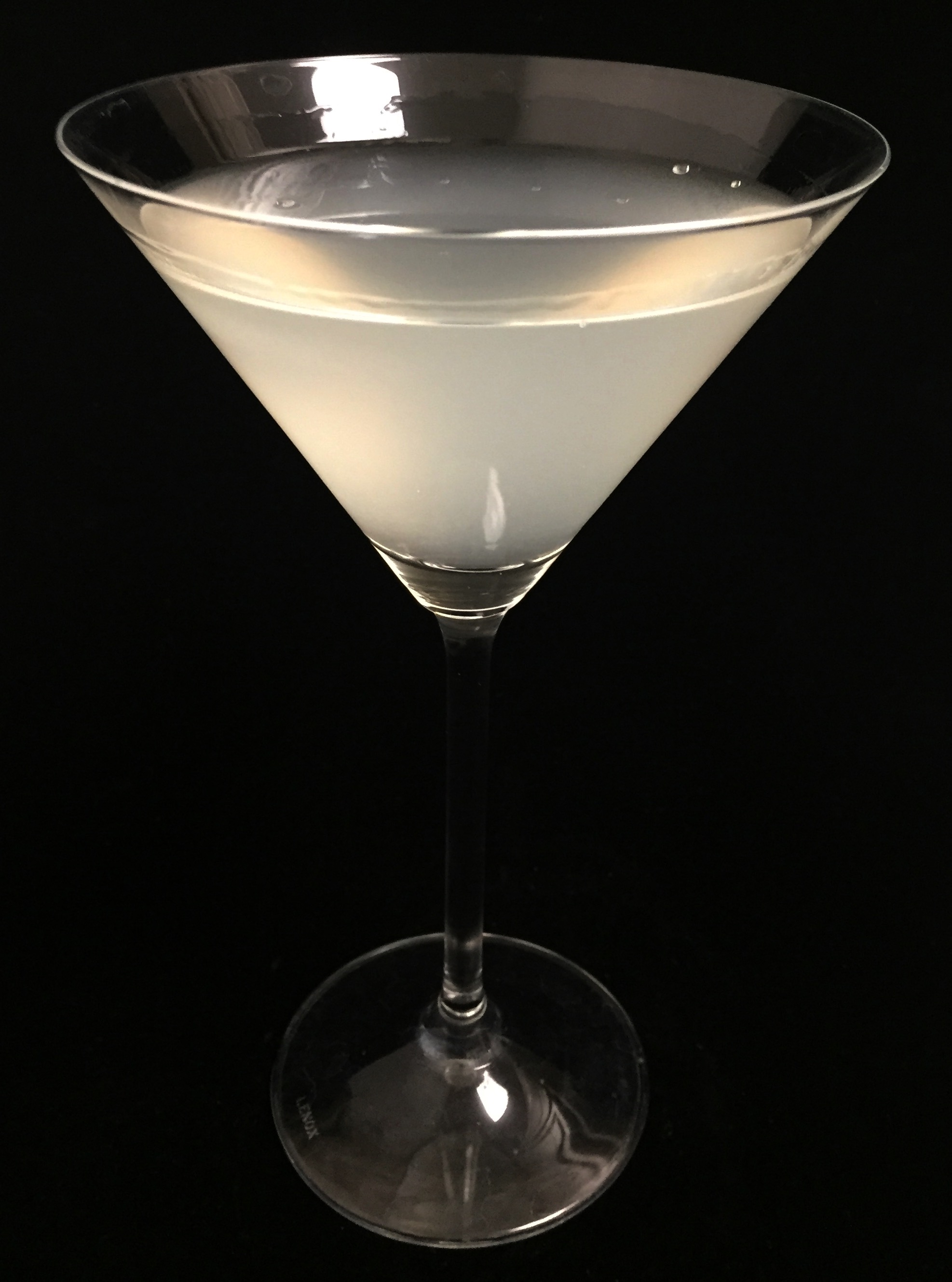
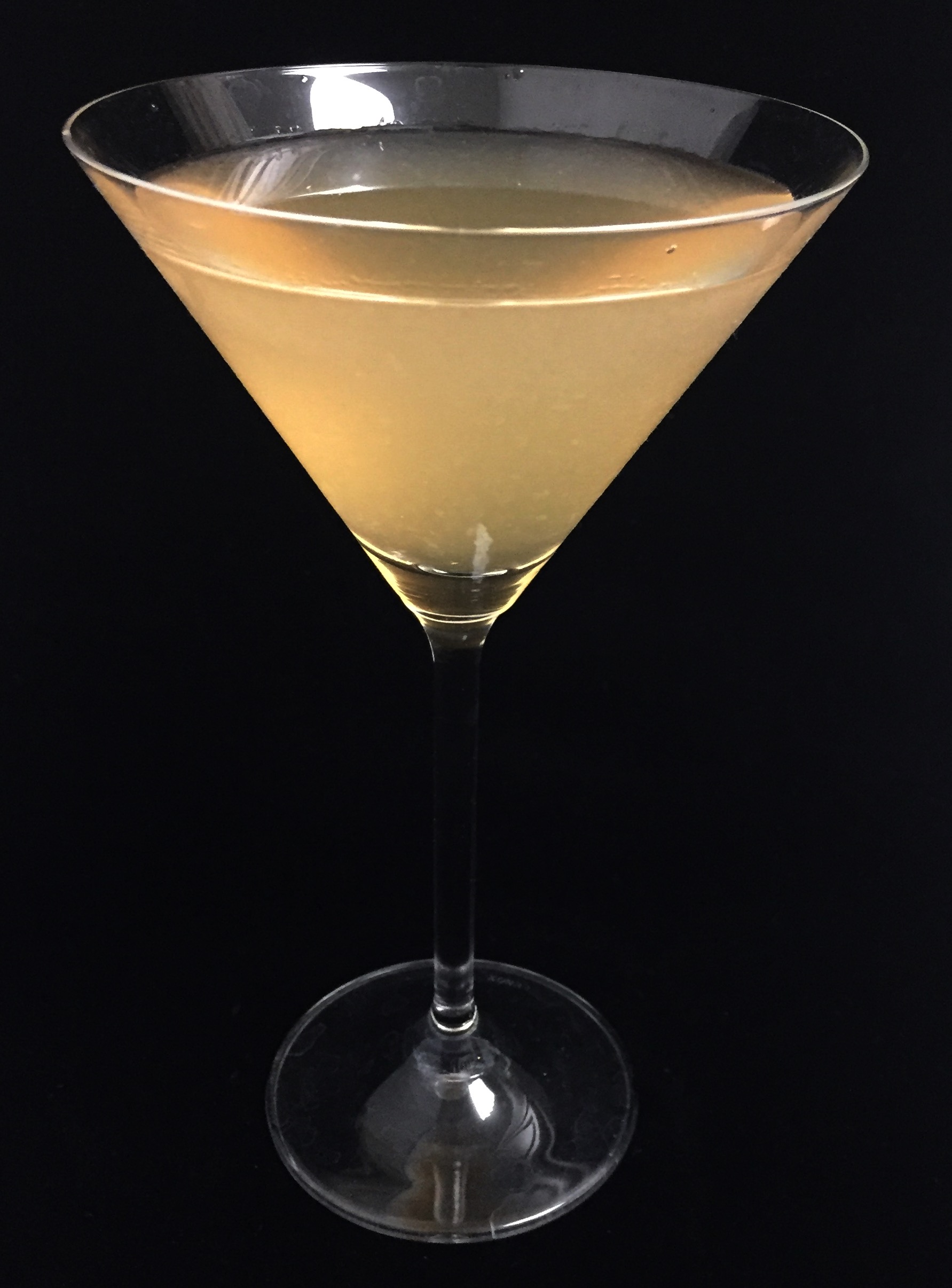
Was thinking of what might be a good cocktail to make with the Malfy gin. Went with a variation of gin anise drink. 2 and a half ounce of Malfy with half an ounce of sweet vermouth and half an ounce of anisette liqueur. Shaken with crushed ice and then poured in a cocktail glass.

The aniseed smell dueled mightily with the lemon. For the initial few sips, the aniseed prevailed and after rolling it in the mouth a couple of times, the others – including the lemon and orange peels started to make their presence felt.

The finish was long and predictably with both the aniseed and lemon making a pronounced effect.

Next time, I might try with a tad less aniseed and see how the lemon performs if it is a given a little more chance.

21 January 2017

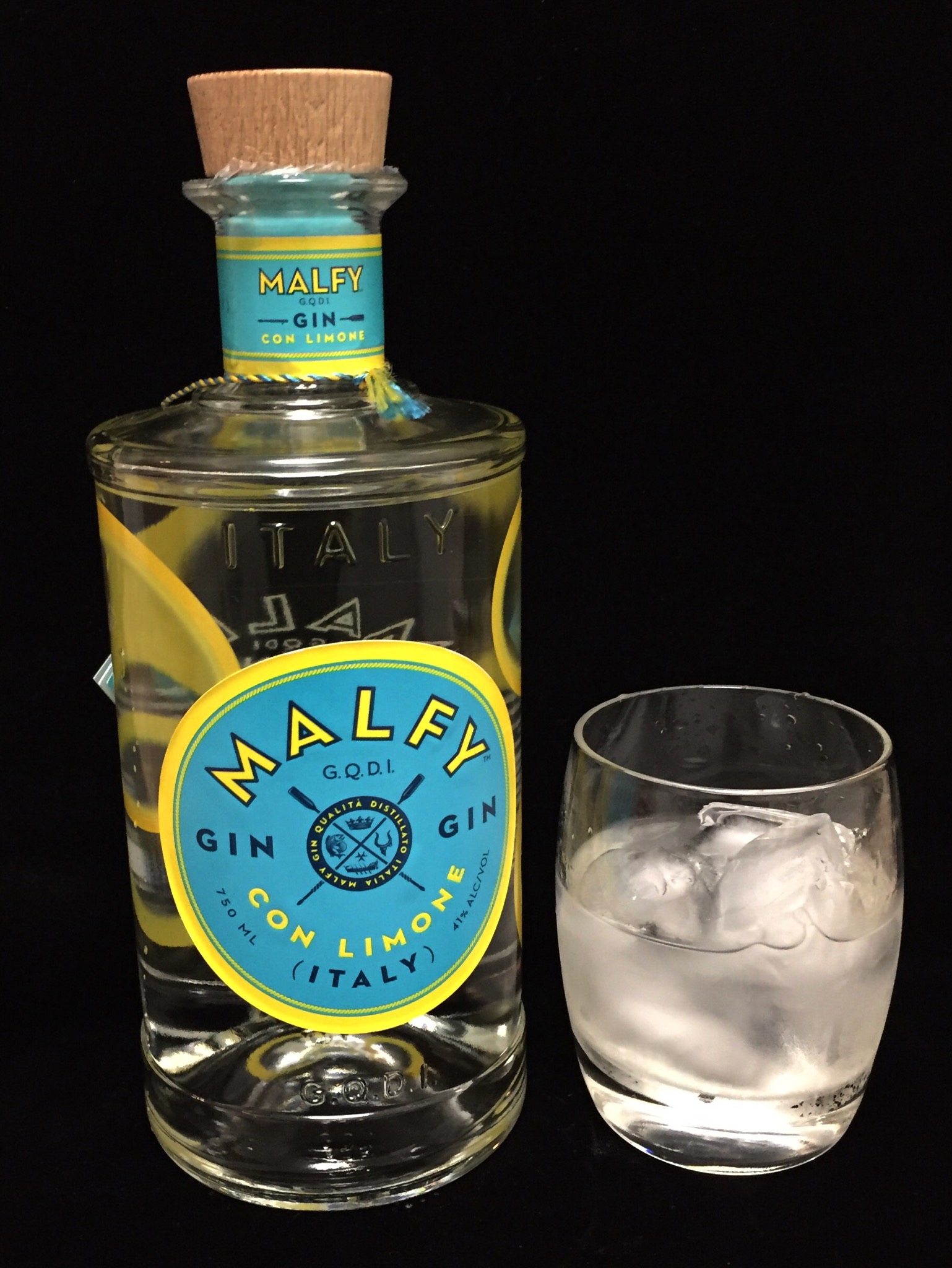
From the bartender’s corner – Gin #2: Malfy Gin

This is an interesting gin in the sense it is very strong in lemon content. I believe these category of gins are called “citrus forward” gins. This is an Italian gin made near the Turin area. The area is famous for its beaches (Amalfi beach is next door) on the Mediterranean Sea, some of the best quality lemons (that goes to make the famous Italian limoncello) and a long history of distilleries (good output of wheat in the vicinity).

About a quarter century back, Veragnano and his family bought out a distillery (from Seagram) that had existed from the turn of the twentieth century and started focusing on small batch gins. They still run the place themselves.

This gin has an interesting design for the bottle. The family claims that the blue color symbolizes the beautiful Mediterranean Sea and the yellow color is for the zesty lemons nearby. The glass is of course, the famous Italian glass and I understand the cork is made from local oak.

While a lot is made of the Amalfi area lemons – and they do use the peels of local lemons, in reality it is only about one in five lemons that are local. The rest are brought from Sicily. Other than the lemons, the botanicals added includes local juniper, coriander, licorice, grapefruit peels and orange peels.

The nose clearly hits you with strong lemon aroma and so does the palate. But soon, you can get the undertones of the grapefruit and orange peels. The finish is strong and towards the end you start to realize the juniper.

While this can be taken on the rocks or neat, I would suggest at least some tonic water or sweet vermouth. Certainly would be great for cocktails.
17 January 2017

A slice of gin history…

A funny excerpt from Lesley Jacobs Solomonson’s book on the history and evolution of gin….

“The British distilleries were even harder hit (than American counterparts) during the Second World War. Like the American operations, they were commandeered by the military to make industrial alcohol. The resulting products were drolly referred to as ‘Cocktails for Hitler’. Germany did not appreciate the humour. They bombed Goswell Road on 11 May 1941, crippling Gordon’s entire operation”

15 January 2017

From the bartender’s corner – TBD Crusta

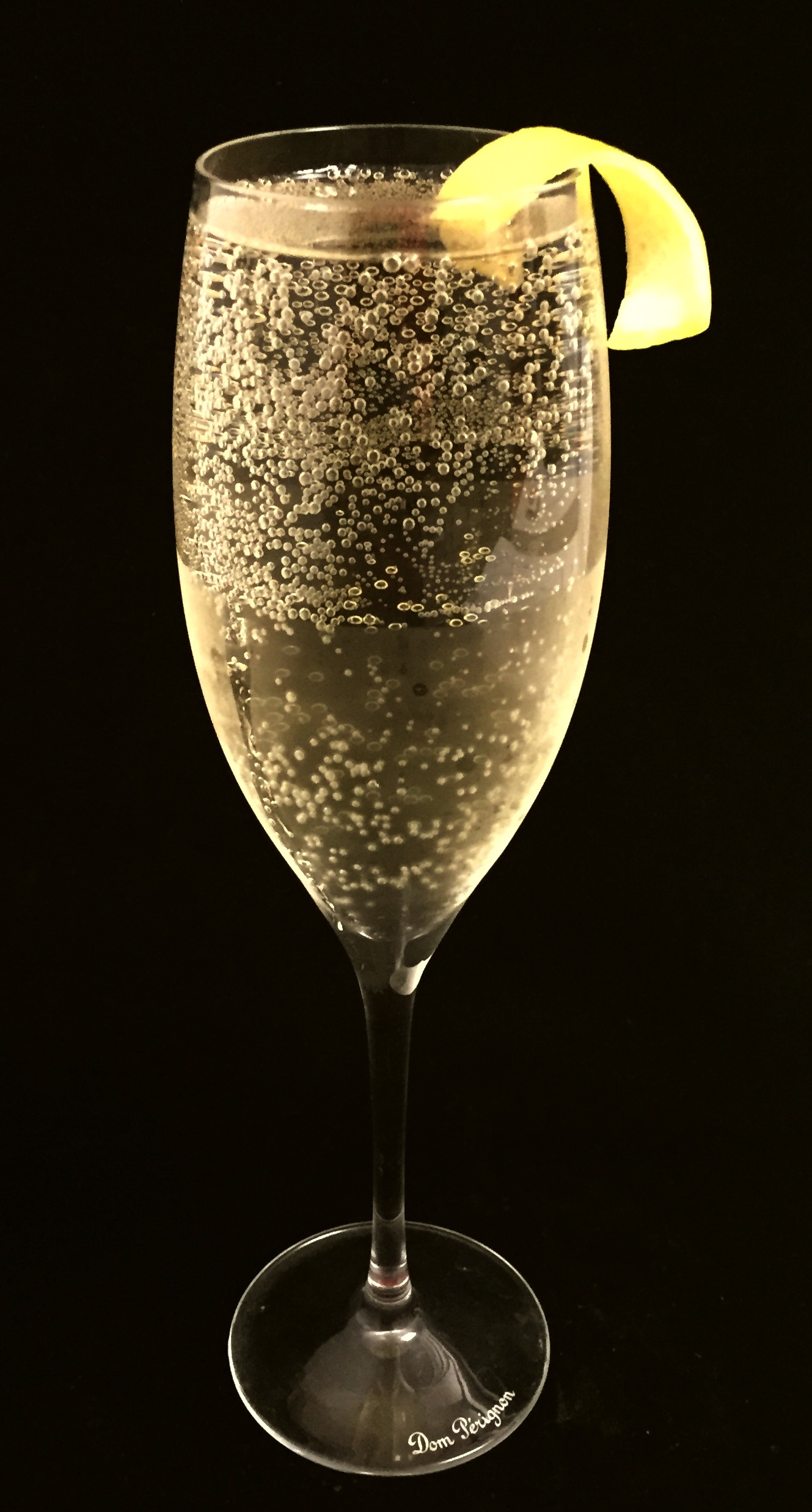
Continuing with the experimentation with the Ransom Old Tom Gin, this is a Old Tom twist to the classical Gin Crusta. Apart from the Old Tom Gin, this has Elderflower Liqueur (I used St. Germaine), Bitters and Champagne. I believe the inventor of this cocktail is Mark Vierthaler – known for being the founder of Cocktails 365.

This is usually served in a Champagne coupe with a sugar rim and has a orange peel near-circumscribing the inside surface.

The initial taste of the gin is somewhat softened by the champagne but you can get the wood and juniper aroma very soon. The elderflower and the orange peel gives the drink a lot more flavor than you would expect and has a pretty rich after taste.

14 January 2017

From the bartender’s corner – Martinez

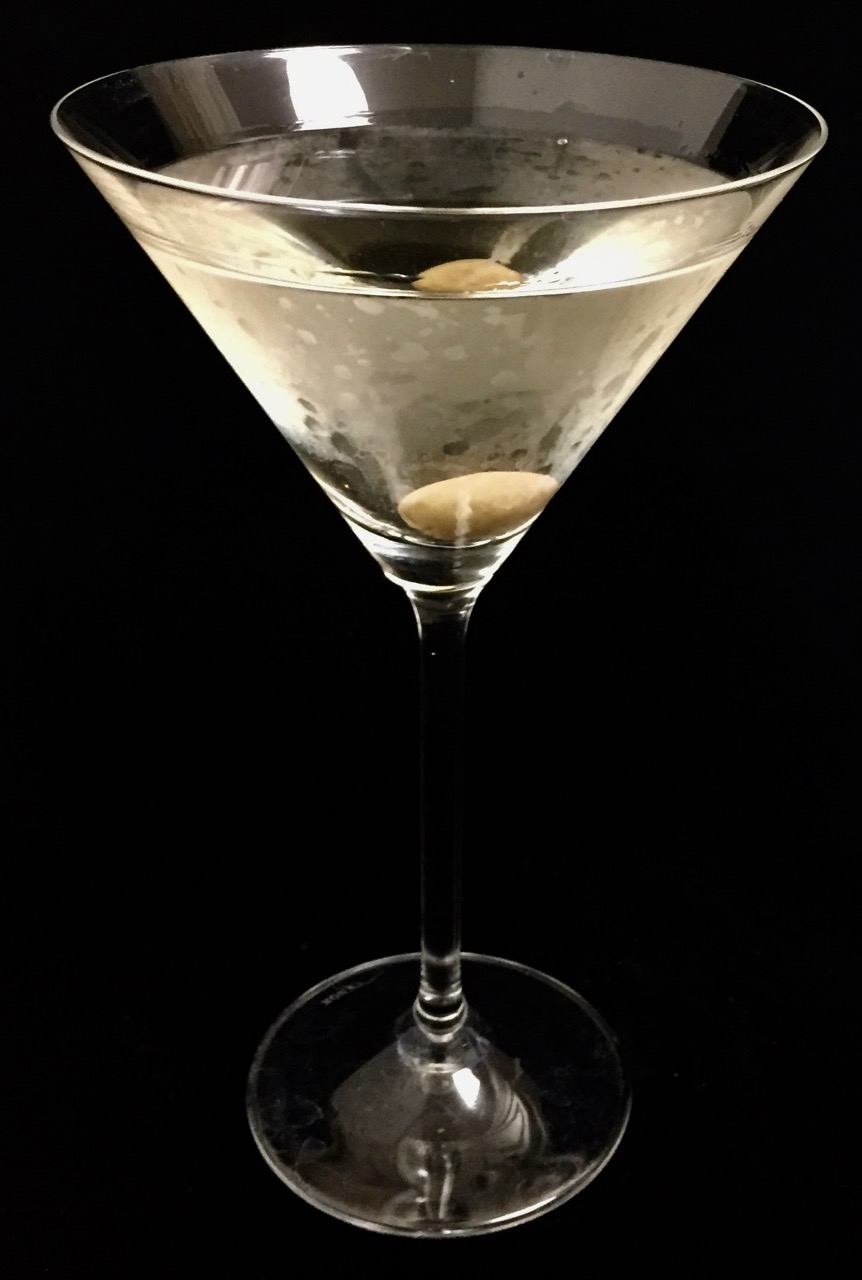
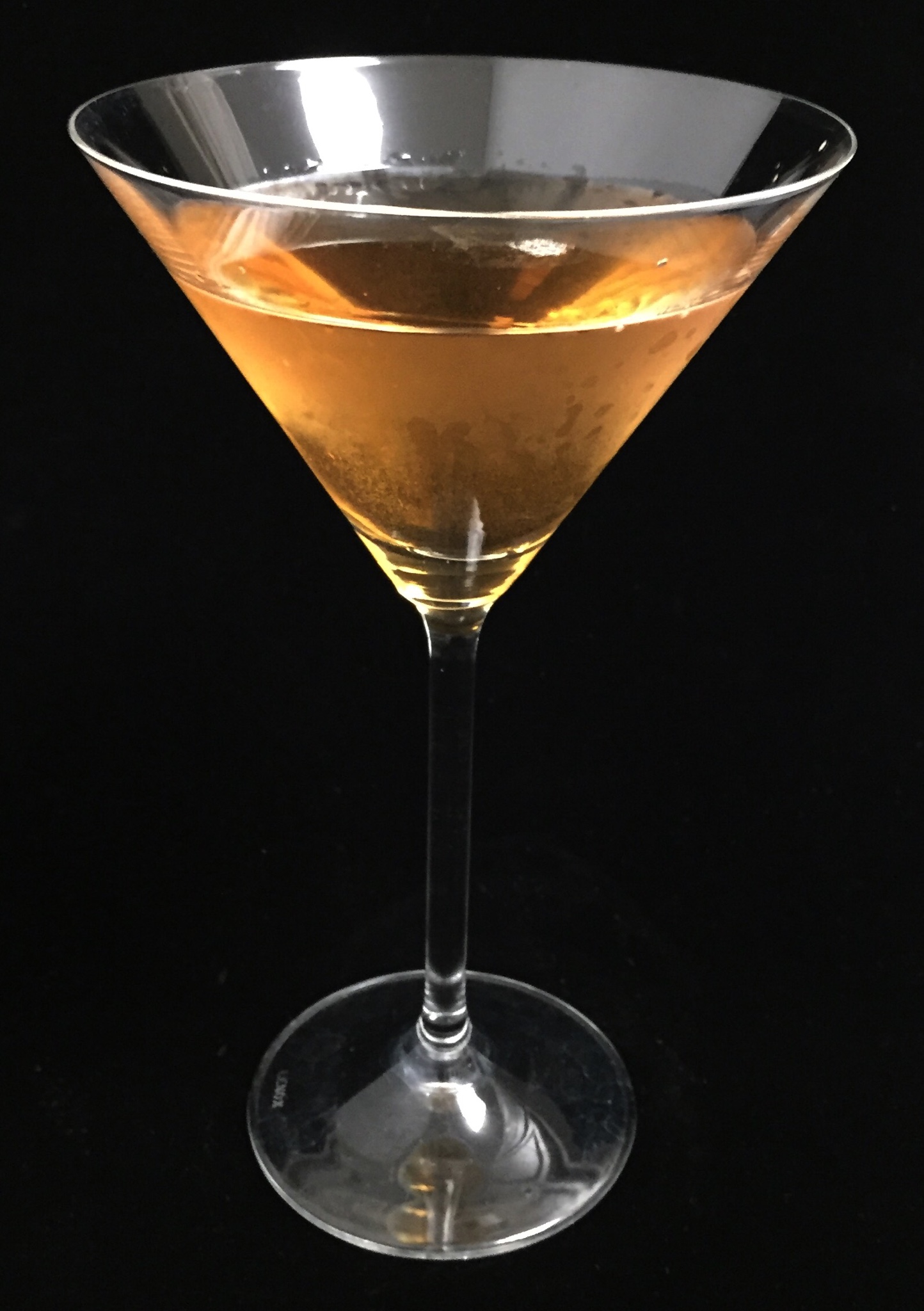
This is a very common gin cocktail but made only with Old Tom gins. Since I am still experimenting and researching on Ransom Old Tom Gin, I thought I will try this today. Along with the Old Tom Gin, this has Maraschino liqueur, Sweet Vermouth and Bitters.

The Martinez will remind you of a lot of whiskey based cocktails because of the wood aroma since these are barrel aged gins. The Juniper can be smelt too. But the rest of the botanicals are pretty much drowned by the Italian cherries in Maraschino. Slightly on the drier side, it has a small bite in its length.

13 January 2017

From the bartender’s corner – Gin #1: Ransom Old Tom Gin

Recently, our friend in Dallas – Rini – had asked Sharmila to try out Ransom Gin. I was not sure whether she meant the Dry Gin or Old Tom Gin but since I had never had a Old Tom Gin before, I went with it. A quick reminder that an Old Tom gin is actually aged in a barrel and therefore has less effect of botanicals like a modern day standard gin. So, along with the botanicals, you will get the distinct flavor and aroma of the wood. Also, instead of a clear liquid like most gins, it will have a distinct brownish tinge to it. Old Toms are somewhat in between Genever – the predecessor of modern day gin and of course, modern day gin.

Tom Gins are a relatively new phenomenon in America (less than ten years). This particular one, Ransom, is made in Sheridian, Oregon – almost half way between our company’s two offices in Portland and Corvallis. Barley and corn based, this gin has the following botanicals added: the staple of all gins – juniper and angelica root, as well as peels of orange and lemon, seeds of coriander and pods of cardamom.

I went with the rocks and the aromas were unbelievably rich. If you let it sit for a few minutes, you can smell the soft fragrance of the wood immediately followed right under it by the junipers. Much later I could sense the citrusy peels. It clearly had the length of most barrel aged alcohols like whiskey.

Sharmila tried with some tonic water and it was not a good result. I guess tonic water does not sit too well with barrel aged spirits.

Try it some time. Or just come over!!

13 January 2017

The next phase of dabbling with OH molecules

After making over 300 cocktails in about three years, I am going to try and go a little deeper in understanding and learning about alcohols. (I know, what excuses I will come up with drink some more 🙂 ) Seriously, though, I want to learn more about one particular class of alcohol – gin. You might even call it a new be”gin”ning 🙂

Over the next year or two, I hope to learn a lot about the history of gin, the differences among the various gins and their places of origin, the different cocktails that are made from gins and in general learn a lot about the effect of botanicals and herbs in gins.

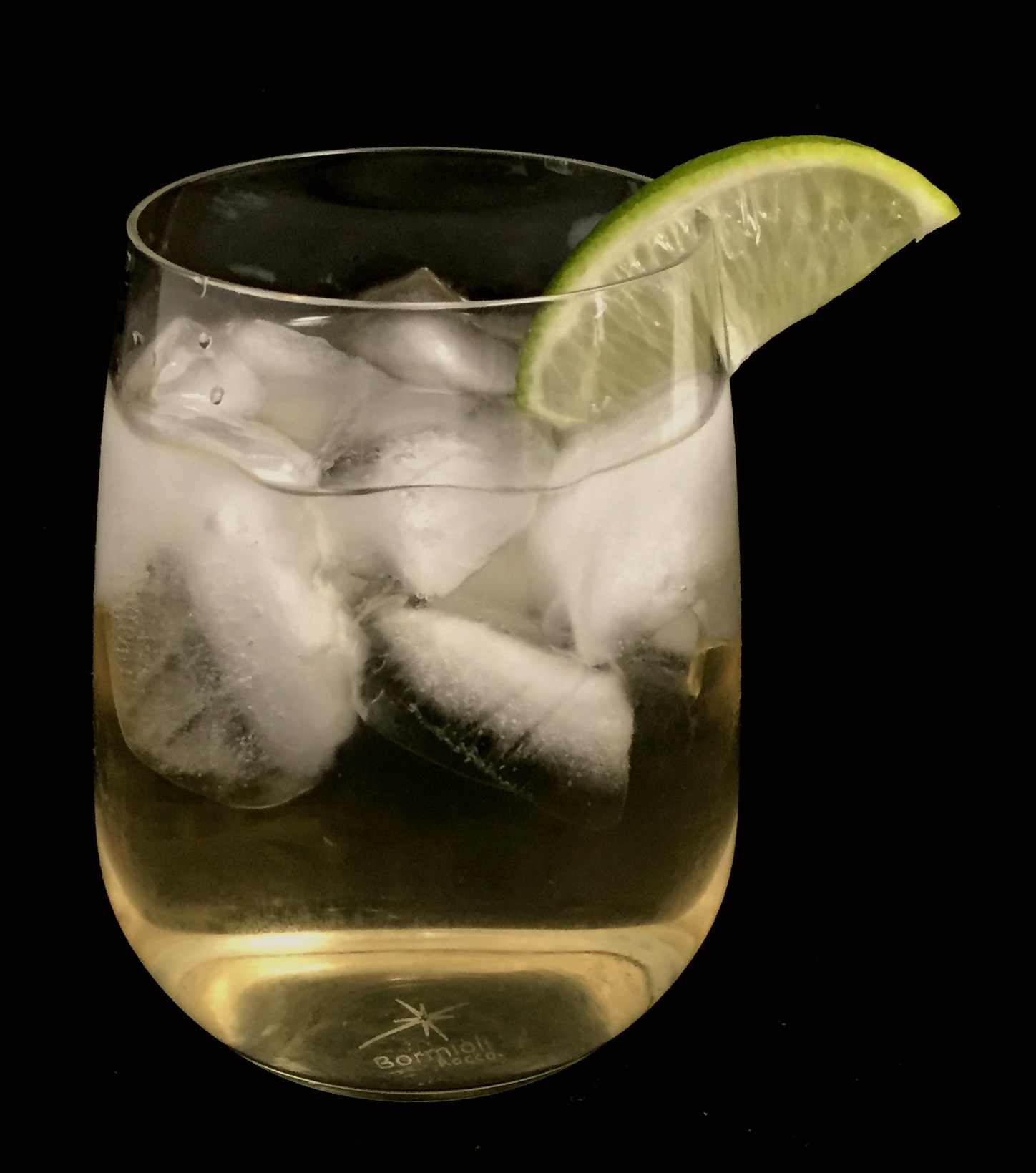
To start off, I have loaded my library with three supposedly authoritative books on gin (still trying to get past the fourth chapter of the first book – I tell you, the continuous sipping of gin and tonic to appreciate the literature on gin remarkably slows down my reading speed :-)) and have stacked the bar with over a dozen bottles of gins from different places. Not to forget a crate of tonic water. Fever Tree Indian Tonic Water, without doubt.

If you get too bored with my posts of gin, you can try drinking some of it. It takes the edges off having to read my boring posts 🙂

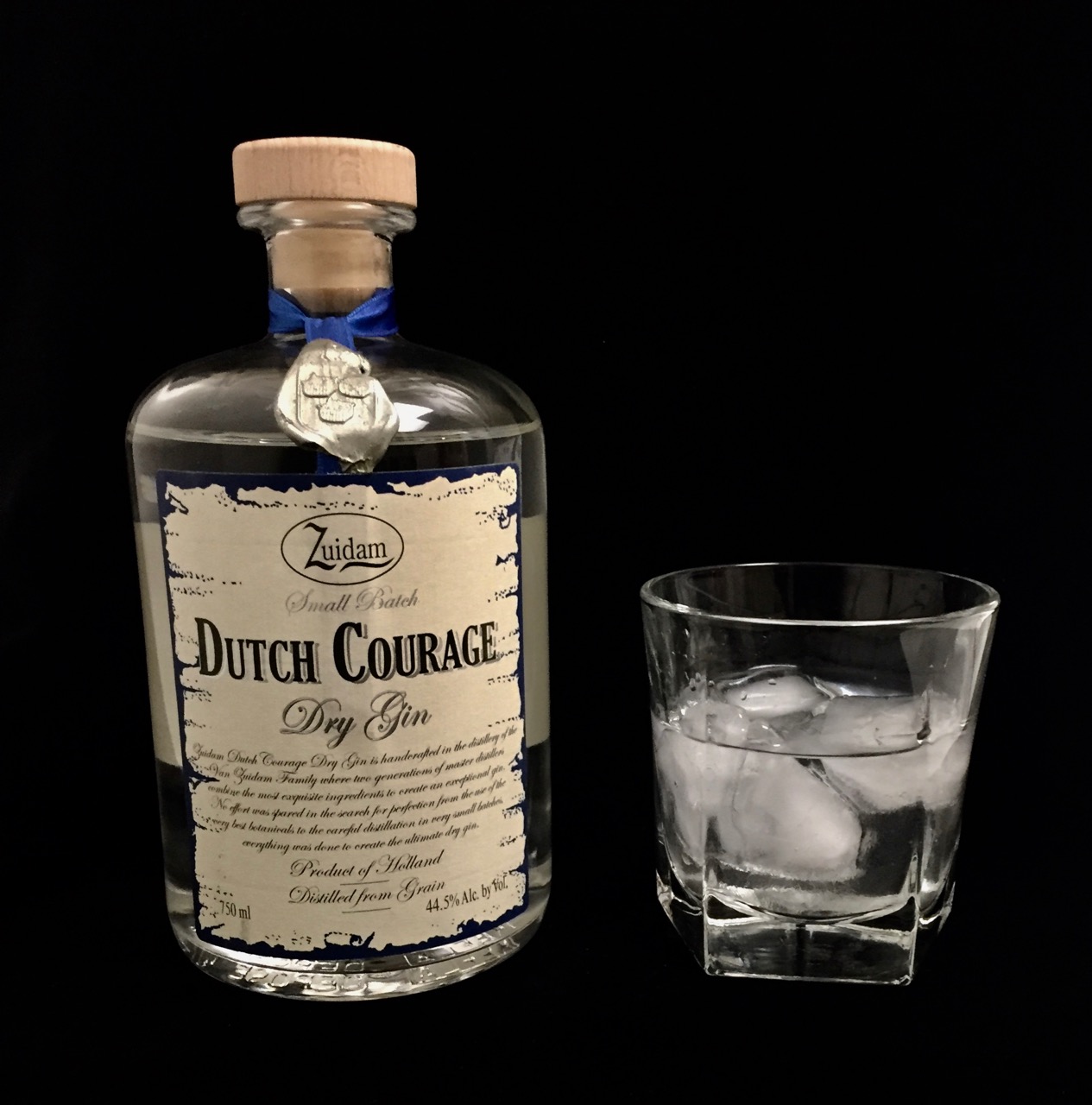
In this picture is my first set of bottles to errr…. “study”. The bottles are arranged left to right in increasing distance of my house to the place of its manufacturing. (The left most one is made, believe it or not, in Dallas, Texas. The right most one is from the Netherlands). Conversely, from right to left, the bottles are arranged in increasing distance from the birthplace of gin – Flanders area in Belgium!

Cheers! 🙂