12 May
2018
12 May
2018
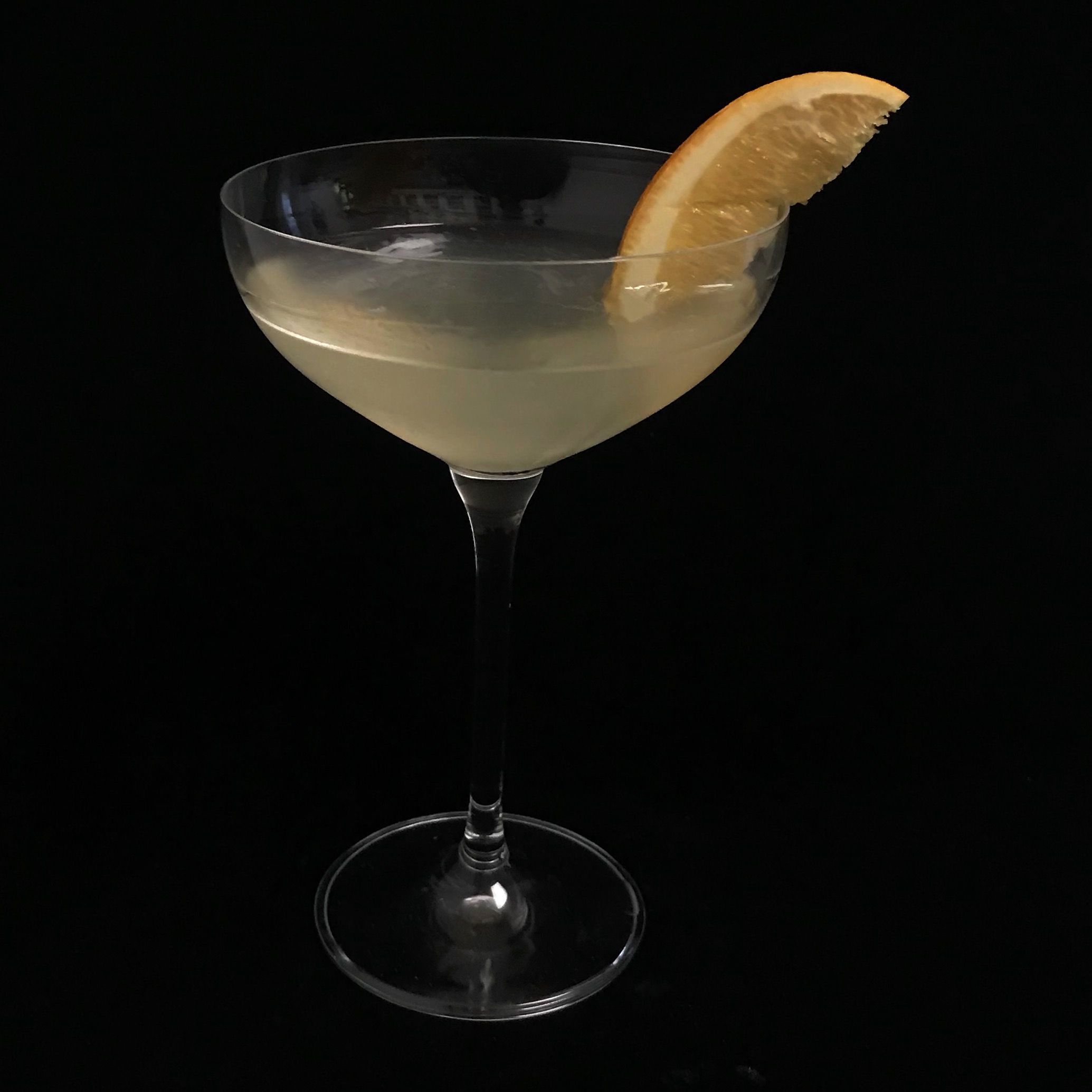
From the bartender’s corner – James Bond Martini
12 May
2018
203… 204… 205… 206…
Yessss!! Managed to finish the ride without breaking any bones!!
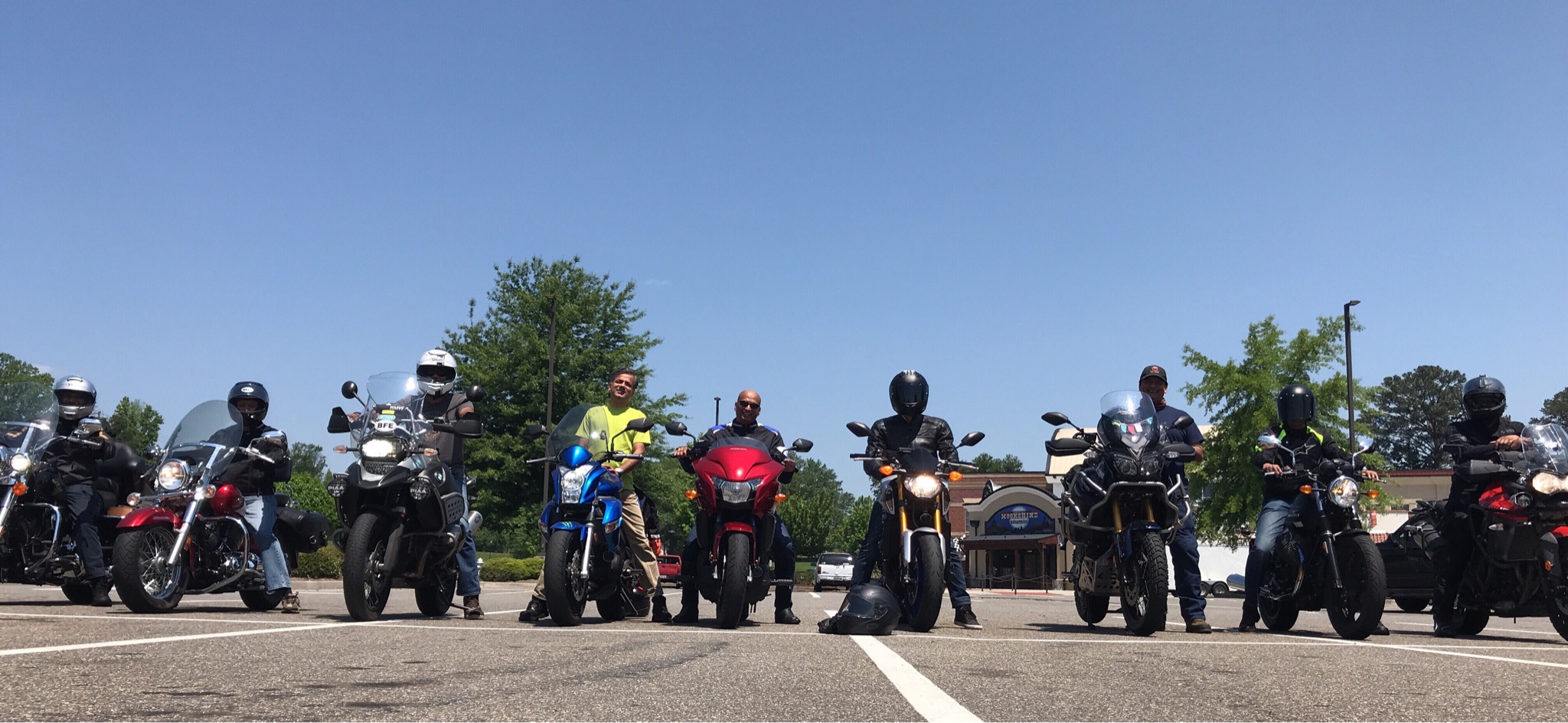
First 100+ mile ride. Great ride organized by Rakesh Rao up to Burnt Mountain and the cute town of Talking Rock – where uptown is one house separated from downtown!! Best part was being part of a 9 rider team. Of course, I was the one with the least experience and was no doubt tentative at times – especially those right twistys on downhill but it was a great experience to ride with a large group from Gears and Beers!
The trip included a couple of stops to enjoy the views and a lunch break as well as a ice cream break!
10 May
2018
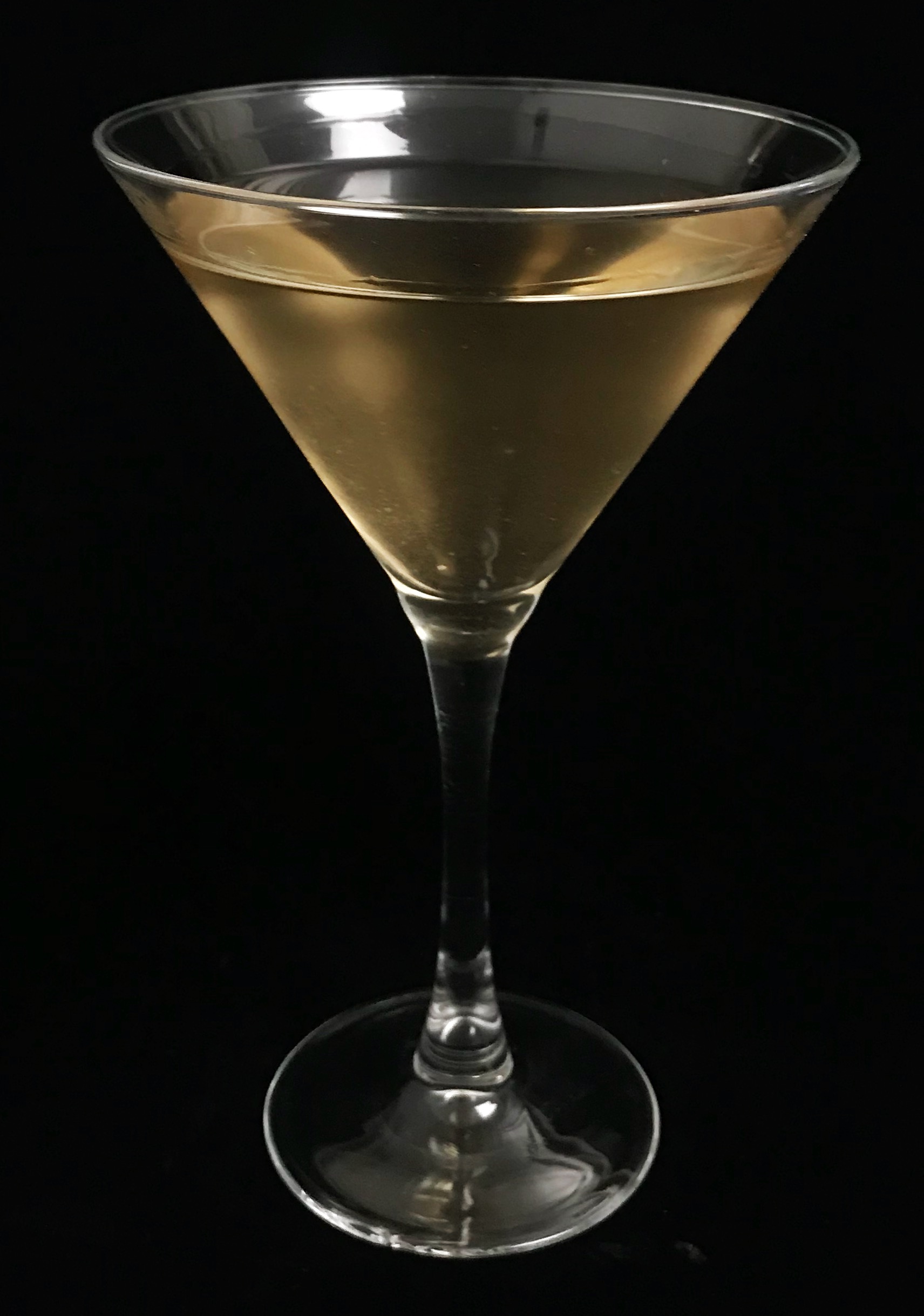
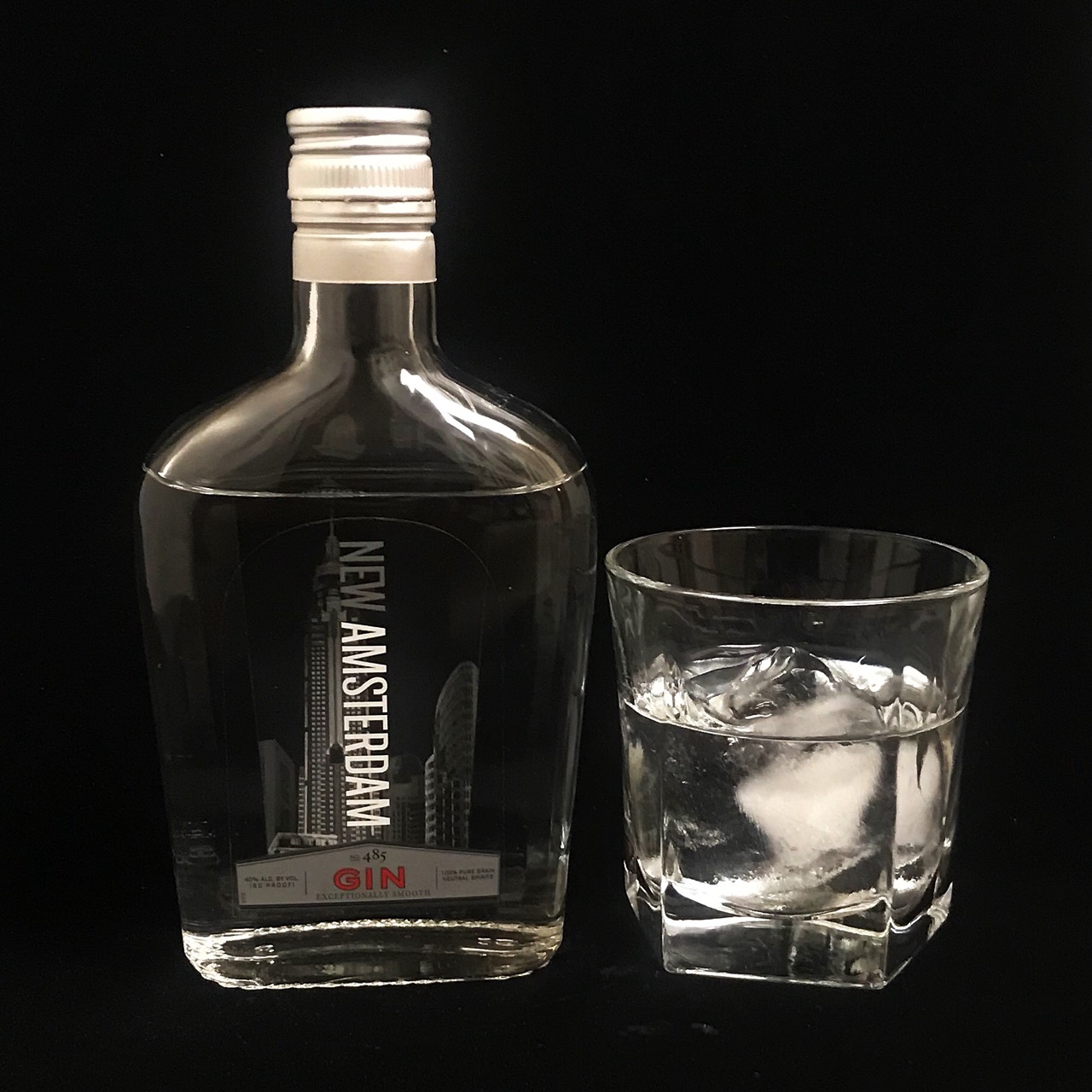
From the bartender’s corner – Gin #36: New Amsterdam No.485
I am getting to the end of the library of gin bottles I have. I am still looking to procure a bottle of Napue from Finland or a Puerto Indias from Seville, Spain. Or for that matter, any other interesting gin that I have not researched, tasted and written on my blog about.
Today’s featured gin is New Amsterdam No.485. I have never had this gin before. Frankly, I was half expecting it to be very pine-y like all gins from the Netherlands. Given the color is crystal clear, I did not expect it to have any aging symptoms (like smoky flavors) as all other Tom Gins do from the Netherlands.
Imagine my surprise when I found out during my research that this gin is actually made in USA. Well, my guess was that it is from a distillery near New York (if you remember, New York was originally called New Amsterdam). Turns out this is made in Modesto distillery in California (yes, where a lot of Gallo wine is made).
The gin is rather intriguing. In fact the first question you might have after sipping a couple of times is “Is this really gin?”. It is overwhelmingly citrus forward. The juniper is very very light. I can see why some people have compared this to a flavored vodka. That said, there is a little juniper in the palate – so you cannot call this a vodka – or rather you have to call this a gin.
While some call it London Dry style, that is very confusing to me. With so little juniper, this is out and out an American Style gin to me. I am going to put this as a very citrus forward, American style gin.
The base is pure grain spirit. I have not come up with the exhaustive list of botanicals, but it is very safe to say that it has lemon rinds, orange peels and juniper.
The nose is citrus – mostly lemon and orange. The palate is very strong on the lemon and orange front. Towards the absolute back, you sense some of the pine characters of juniper. Else it is all citrus. The finish is on the shorter side and a little abrupt.
I tried it on the rocks today. Will try the G&T tomorrow.
9 May
2018
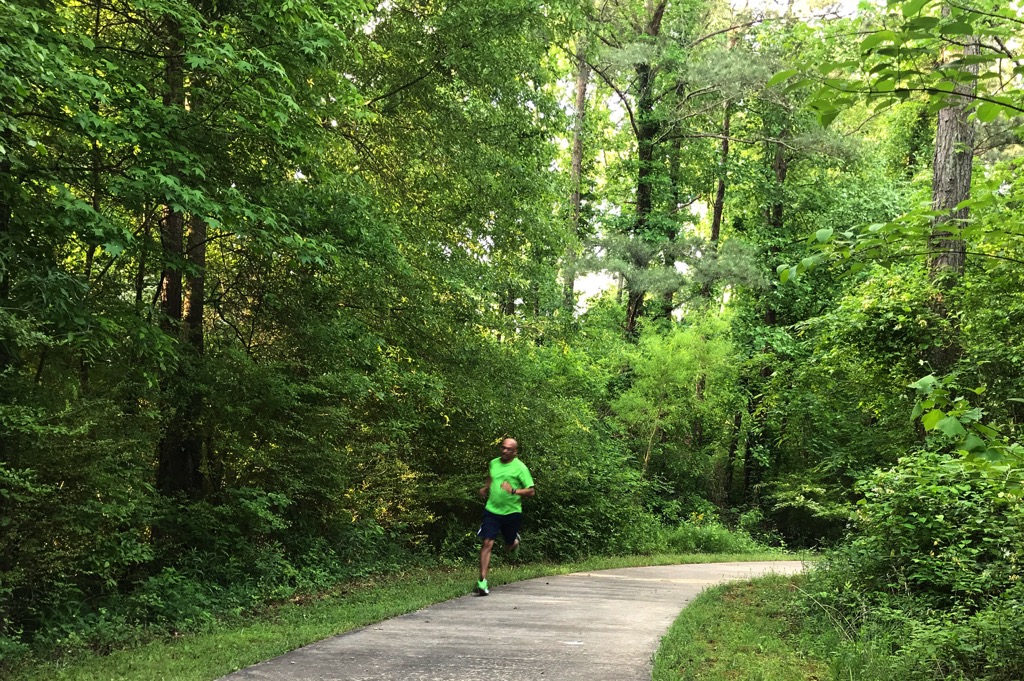
Lost in green
6 May
2018
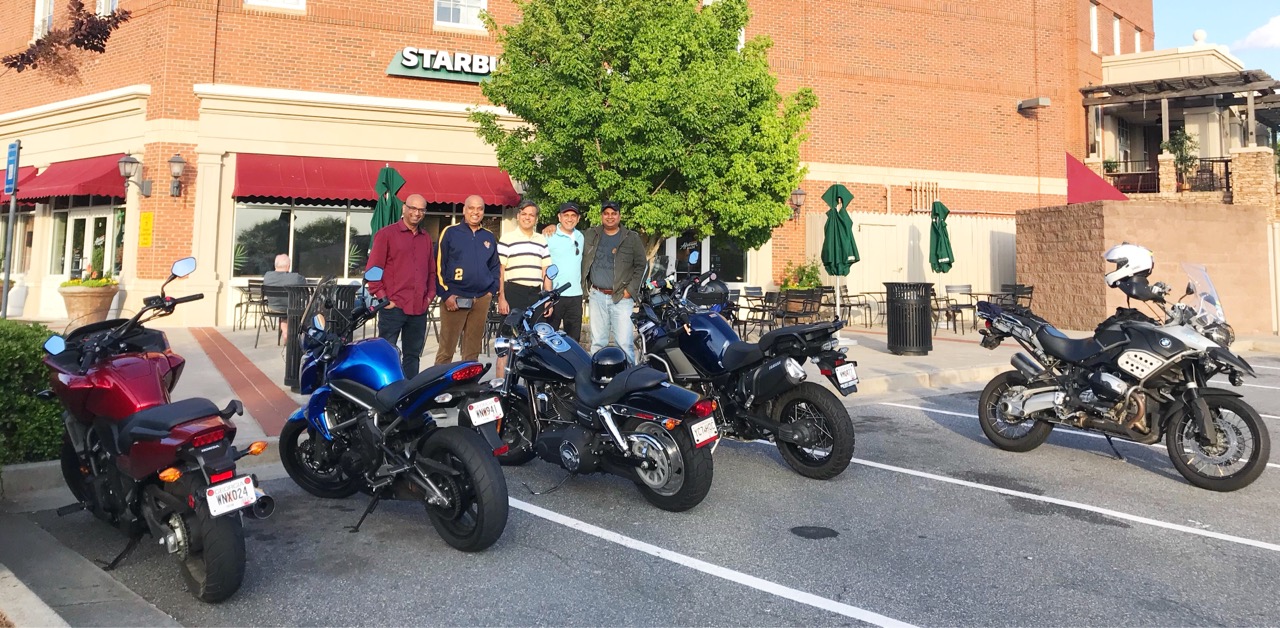
Coffee with the Gears and Beers group
5 May
2018
Saturday afternoon bike ride to Pelican Pete

3 May
2018
Guess who turned 20?

2 May
2018
Wait a minute!!!

29 April
2018
Interesting roadblocks…
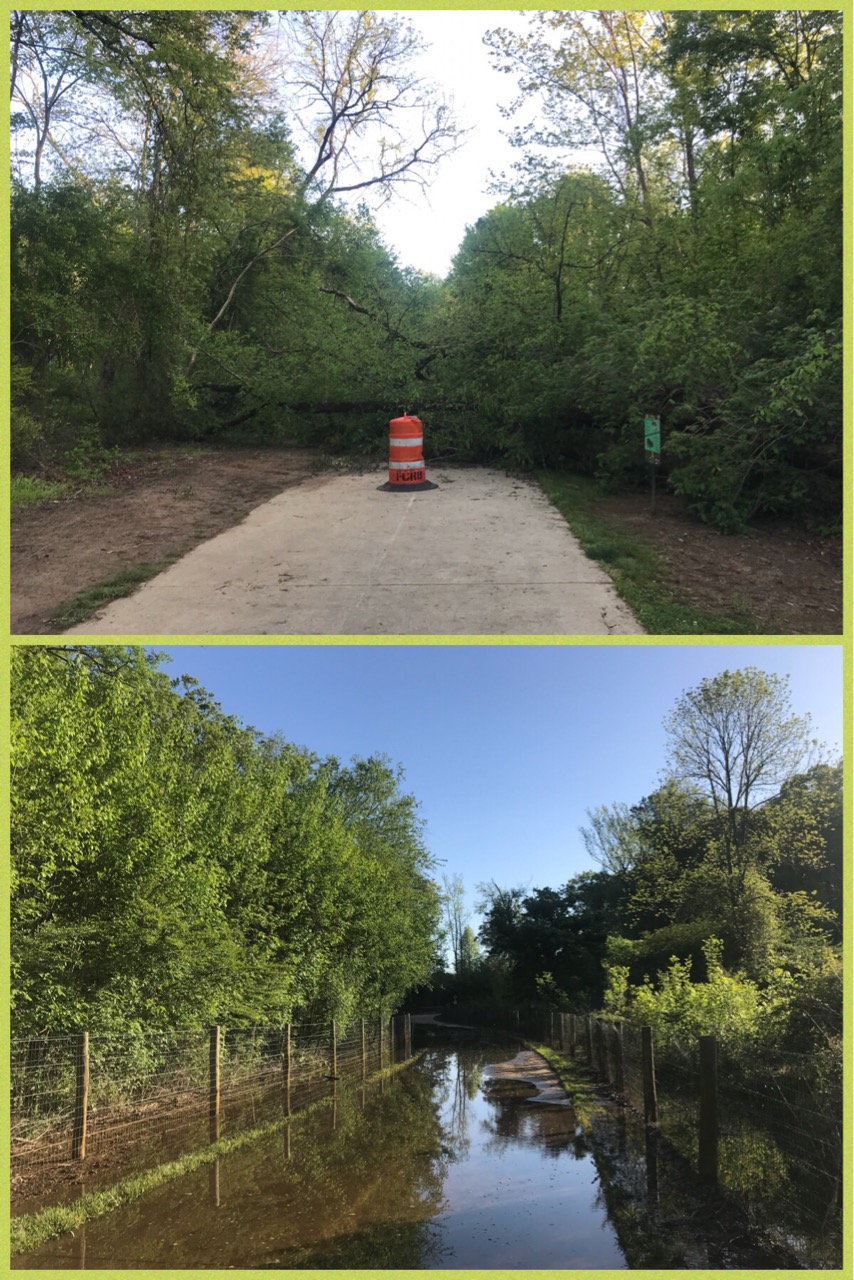
Within half a mile of my run this morning, I came across this huge tree that had fallen across the trail. Was wondering what to do when two more runners cane along. One had a bright idea – let’s see if we can get around it. So, we entered the woods on the left and walked along the creek there for a few feet and then got back on the trail. It was pretty cool going into unchartered territories.
Couple of miles later, there was another roadblock – the trail was totally flooded. Those two runners had already sped off after the fallen tree and I never saw them again. My only conclusion was that they must have waded thru the water and proceeded on the other side. I was not up to that much of a adventure. So, I simply retraced my path and did a couple of up and down stretches to finish 6.2 miles…