9 February 2020

Sunday morning puzzle.

(well, evening, if you are on the other side of the world).

Start by getting six identical coins. Arrange them in the pattern “A” as shown in the picture. (An equilateral triangle).

The goal is to eventually land up with the pattern “B” – again, as shown in the picture. (A straight line).

Here are the rules…
1. You cannot lift a coin – merely slide from its current position to the new position.
2. You move one coin at a time.
3. When you move a coin, no other coin changes position.
4. IMPORTANT: When you move a coin to a new position, in that new position, it MUST touch TWO other coins at least.

Finally, this is not a trick question – nor is there any sleight of the hand involved.

I am sure there are many ways of doing it but the one I got needed me 7 moves. (Not sure if that is the shortest way though)

2 February 2020

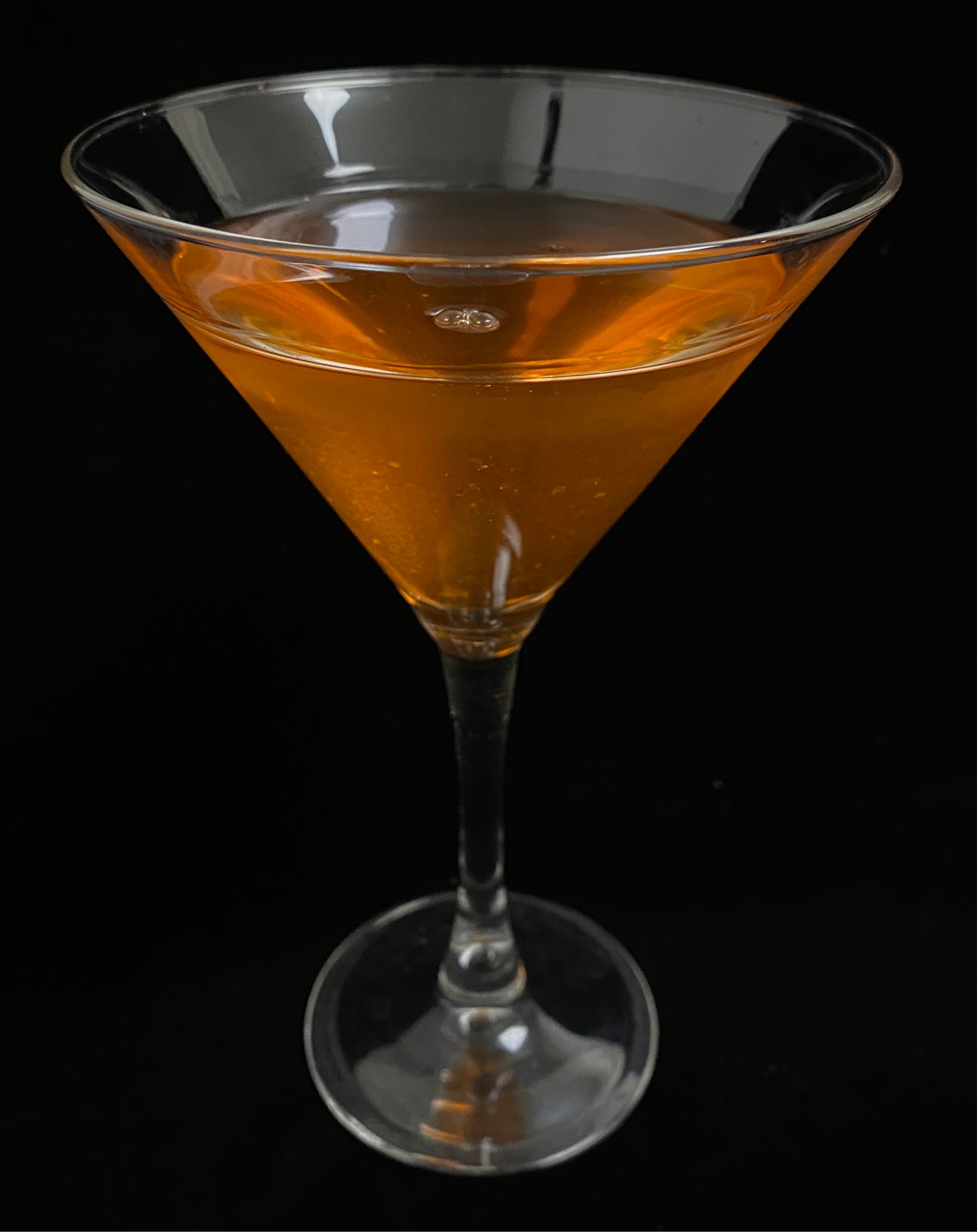
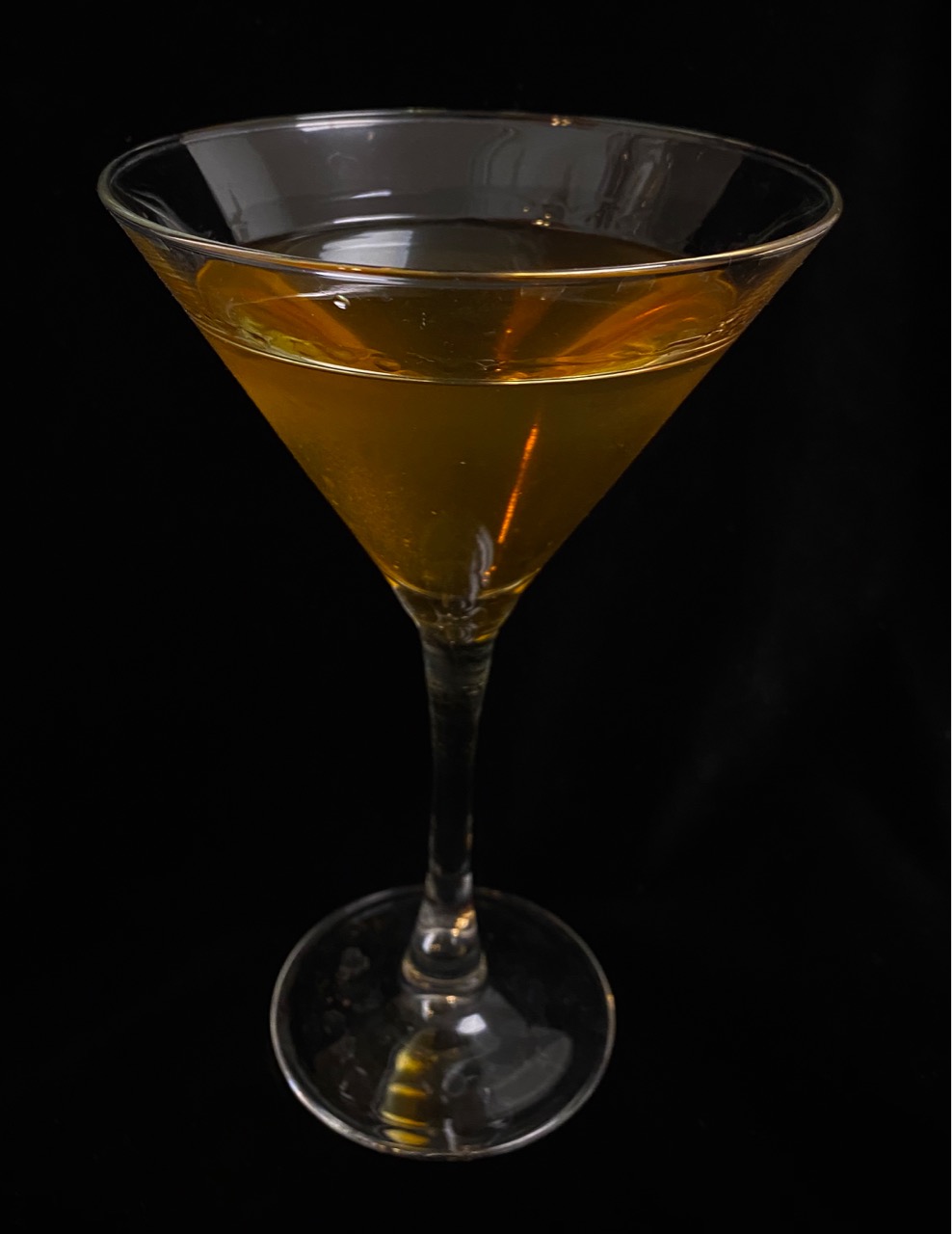
From the bartender’s corner : Naked and Famous

Created by Joaquin Simo when he was the mixologist at Death and Co (in New York City), this has equal parts mezcal, aperol, chartreuse and lime juice. I went with a trifle lower portion of lime juice (I do not like strong citrus feel in the tongue). This was first published in Ron Cooper’s book “Finding Mezcal”.

The chartreuse and aperol are fairly strong to the palate and the nose respectively. The earthiness of the the mezcal shows up only at the other end of the length. Especially, if you hold the drink for a while in your mouth!!

1 January 2020

A logic/mathematical puzzle to start the New Year

Sunil Roy and I were strolling down the road – somewhere in Chelsea area with the rest of the family – when he posed an interesting puzzle for me. See if you can get it.

To give everybody a chance, refrain from posting the answer in the Comments section. Send me a personal message and I will put your name up if you solved it.

You have two dices. One has 1 thru 6 painted on its faces like a normal dice. The other has blank on every face. You can write down any integer number 1,2,3… on each of the blank faces of the second dice. You can even leave it blank – which would stand for 0. You are allowed to repeat the numbers (you can have two faces with the same number).

The question is: What numbers would you paint on the six faces of the second dice such that:

(*) When the two dice are rolled together, the sum total of the two faces up can be any integer between 1 and 12 AND
(*) The probability of any of those integers (meaning the sum of the two faces up being 1 or 2 or 3… or 12) is exactly the same.

You can assume that the two dices are unbiased. (It will be completely random which face will show up)