4 August
2018
3 August
2018
From the bartender’s corner – Mezcalita
27 July
2018
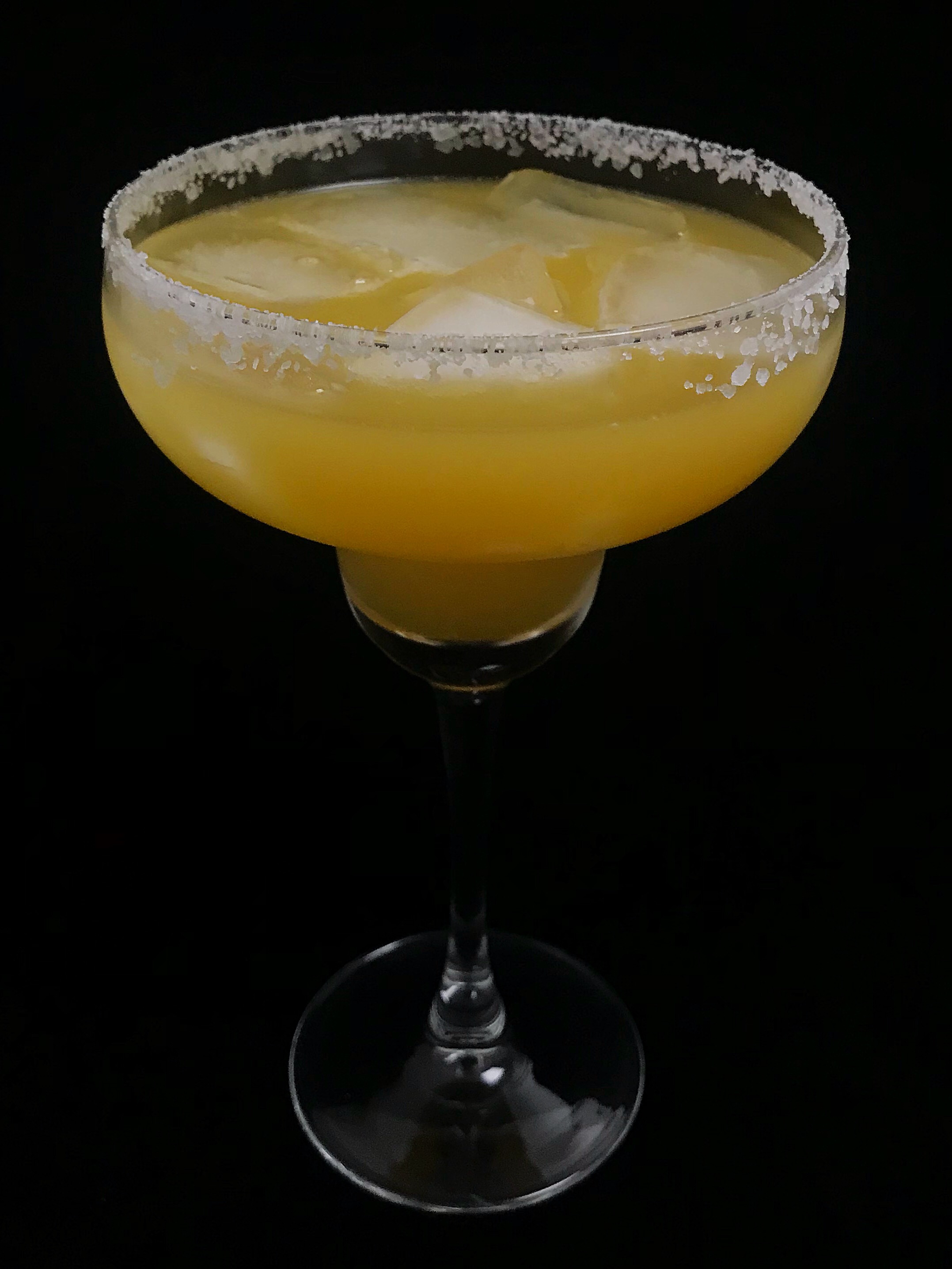
From the bartender’s corner – The Hot Mezz
As the weekend started rolling in, I figured it might be a good idea to go ahead and try a mezcal drink. Upon some research, came across a bar in Chicago called Barrio (actually it is a bar in the restaurant called Barrio) where mixologist Calderon has concocted The Hot Mezz. It is watermelon, jalapeno with some sage syrup, lime juice and of course, mezcal.
My taste in mezcal is still growing. The part I like most is that earthy tones. Which lingers for quite some time in the finish as you exhale. Like most cocktails with these many ingredients and ice, there is no strong nose – although the earthiness and the citrus still comes thru. To the palate, it is a little biting spicy. Towards the end the water melon comes in a small wave.
20 July
2018
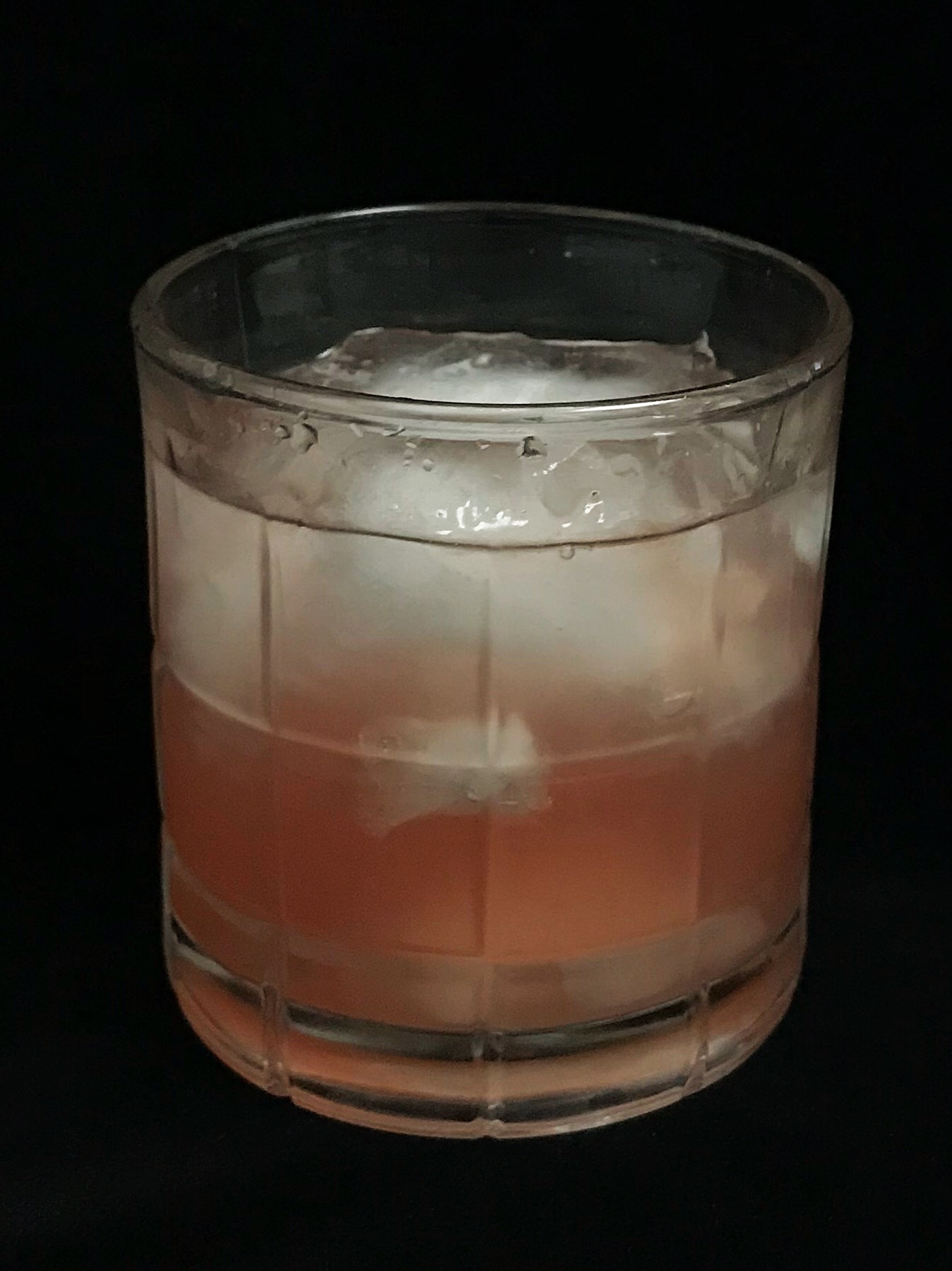
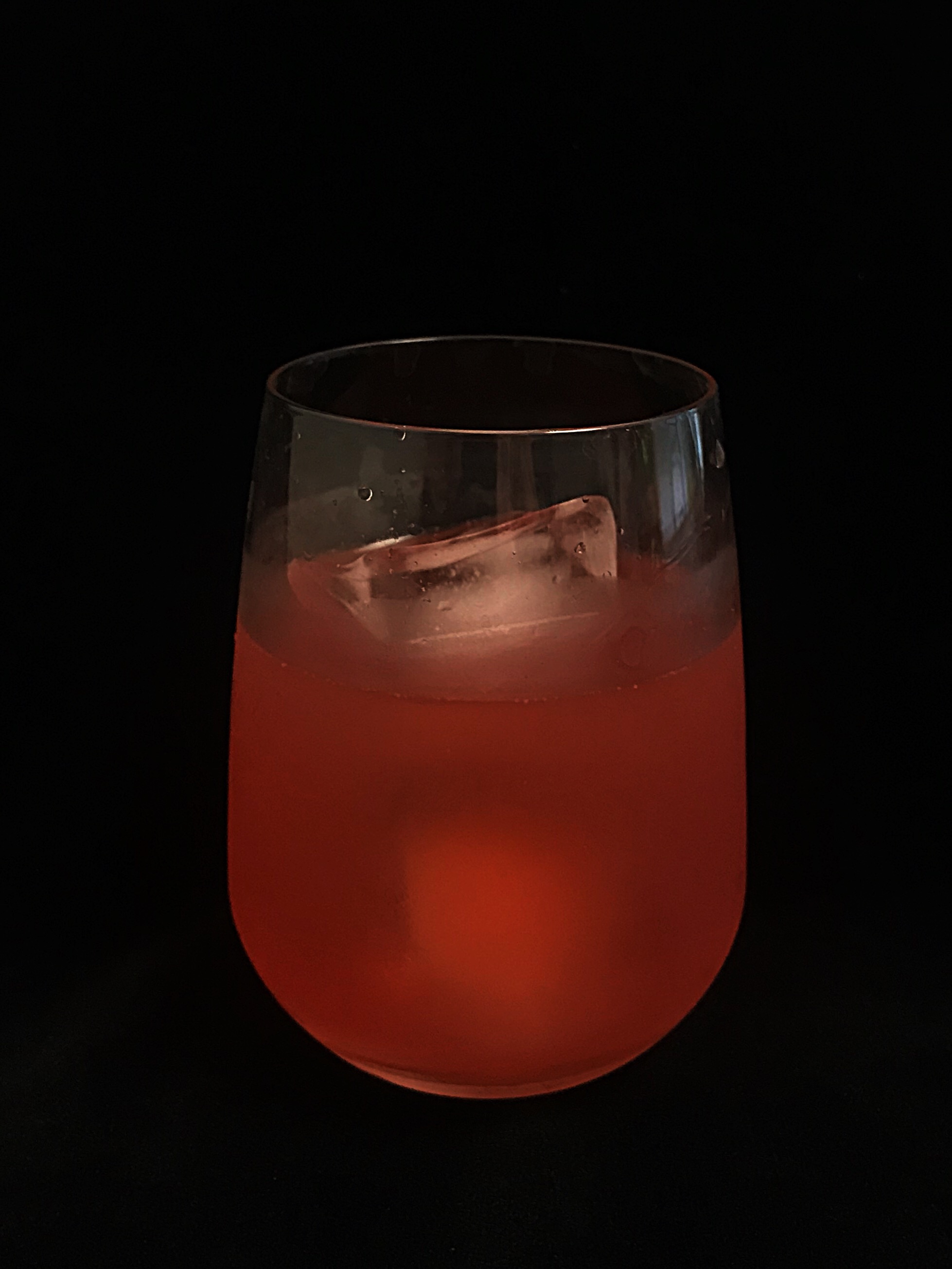
From the bartender’s corner: Mezcal Guava Paloma
Parsley Health lists this under healthiest cocktails. This pretty looking cocktail has Mezcal, guava juice, Campari, lime juice and orange bitters.
I am starting to really like mezcal cocktails. I like the fact they are not sweet. And there is that petrichor smell that reminds me of the evening showers on hot days in Durgapur…
19 July
2018
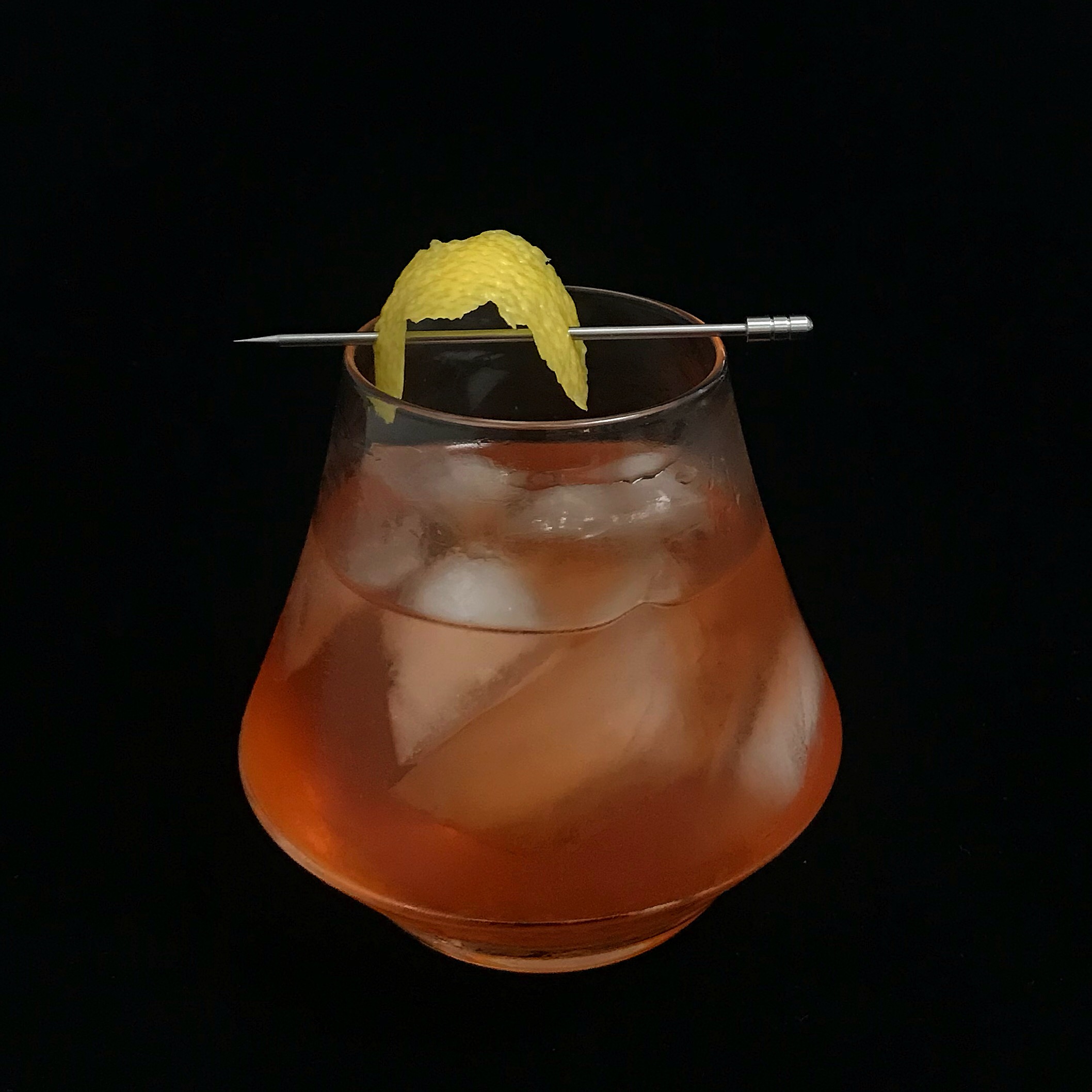
From the bartender’s corner: Sierra Madre Sunrise
Continuing with my experimentation with mezcal cocktails. This recipe comes from Los Angeles based mixologist Elana Lepkowski. Mezcal, Aperol, Lemon juice, Bitters and soda. People who like their cocktails not sweet and with the weight of a earthy alcohol (as opposed to vodka, let’s say) will enjoy this cocktail.
15 July
2018
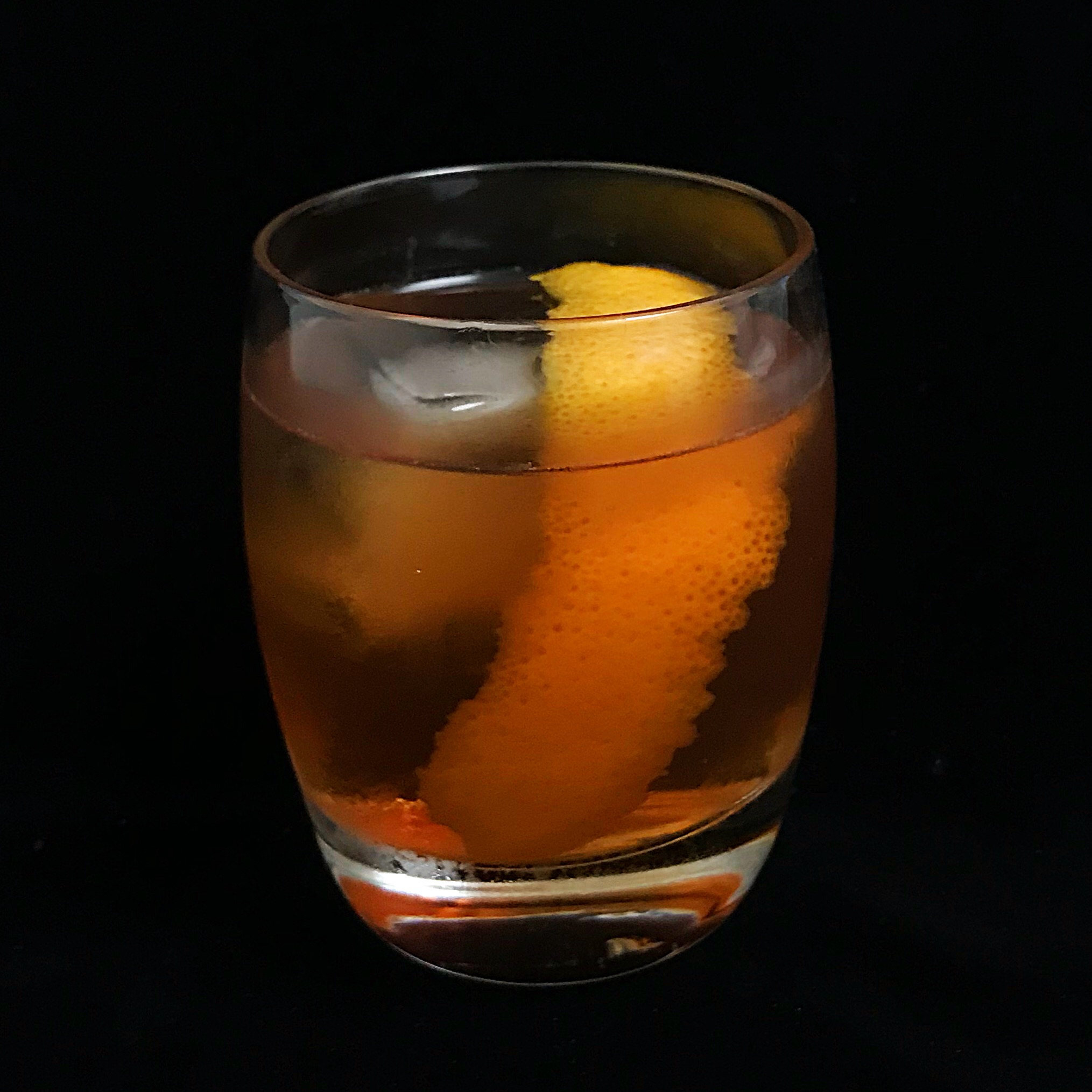
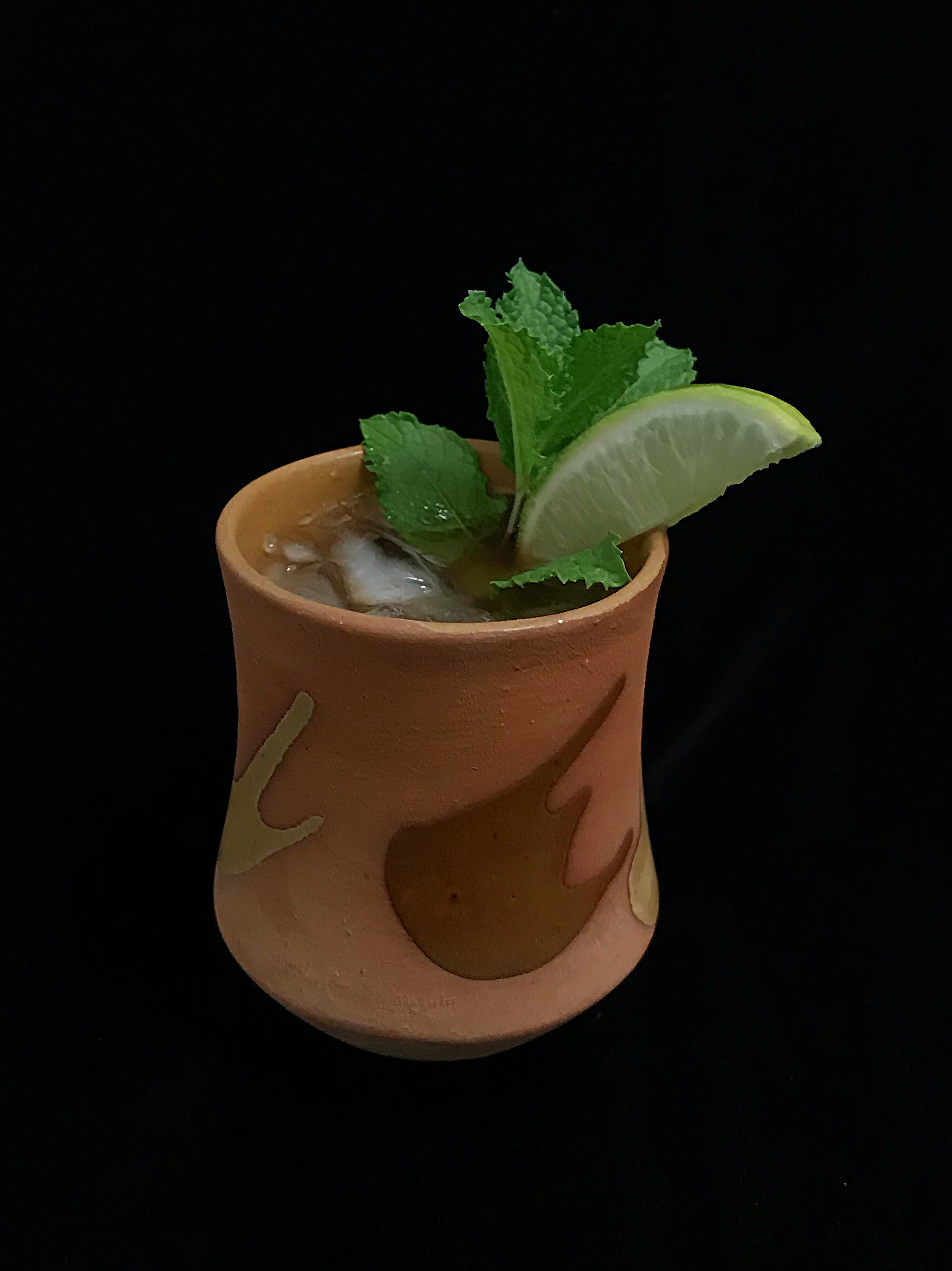
From the bartender’s corner – Limantour’s Jamaica Cocktail
The recipe for this mezcal cocktail comes from the famous Licoreria Limantour bar in Mexico City.. Like most mezcal drinks, this is also best had in hot summer days. This has mezcal, hibiscus liqueur (I knew someday that hibiscus liqueur I had bought for no good reason a year back would come of use 🙂 ), lime juice and cardamom.
Given the base being mezcal, this is served in a small clay glass and is meant to be sipped gently over a longer period of time.
13 July
2018
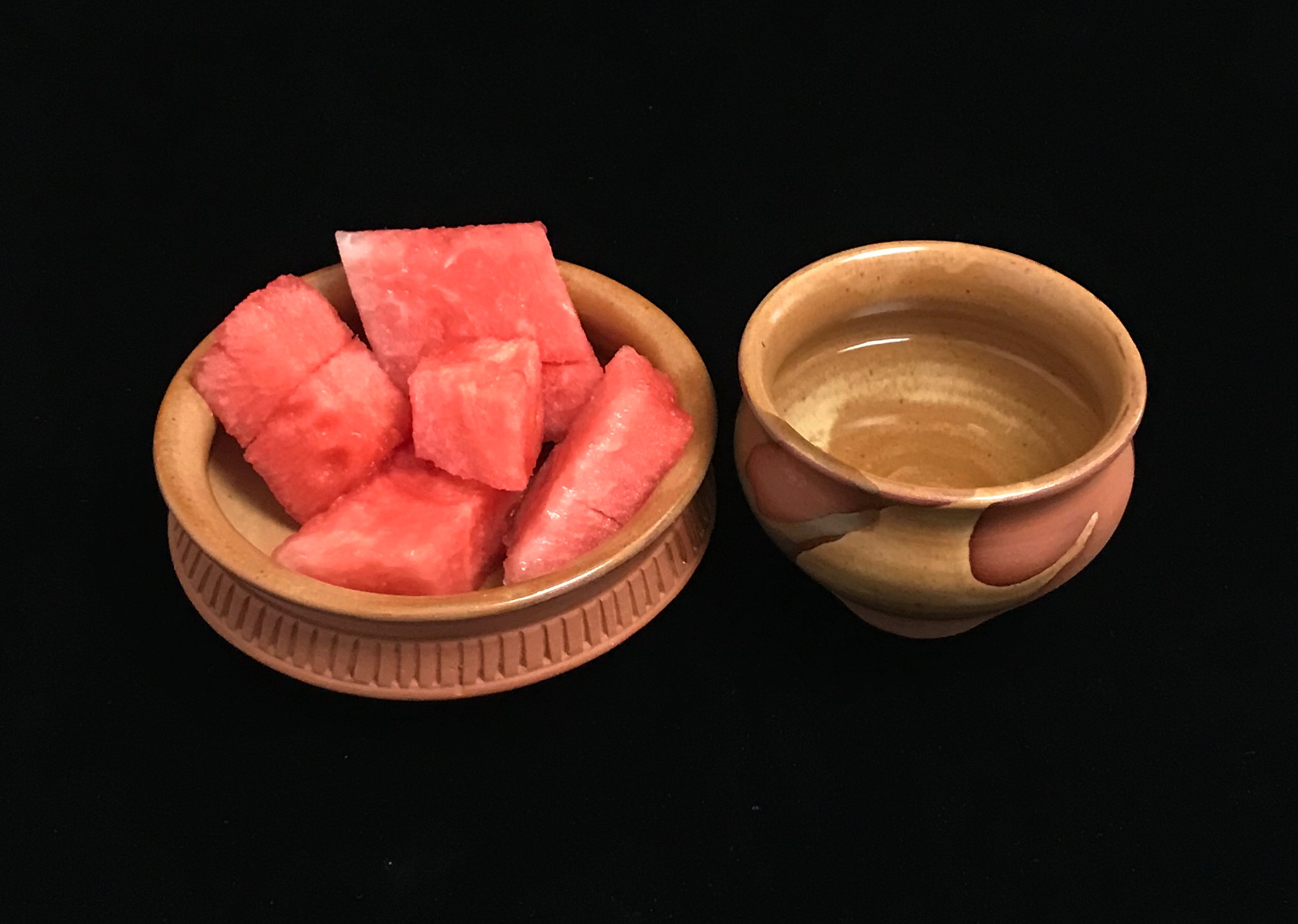
What drink am I?
I am a colorless alcohol.
I am usually served in a small clay cup/glass.
I am neither had with rocks nor water. Just neat.
I am sipped and not gulped like a shot.
I am usually had with a few pieces of oranges on the side.
(Rajib’s note: I did not have oranges. So, watermelon it is).
What alcohol am I?
Hint: Rajib had this for the first time in his life today.
11 July
2018
Wrapping up the Great Gin Experiment
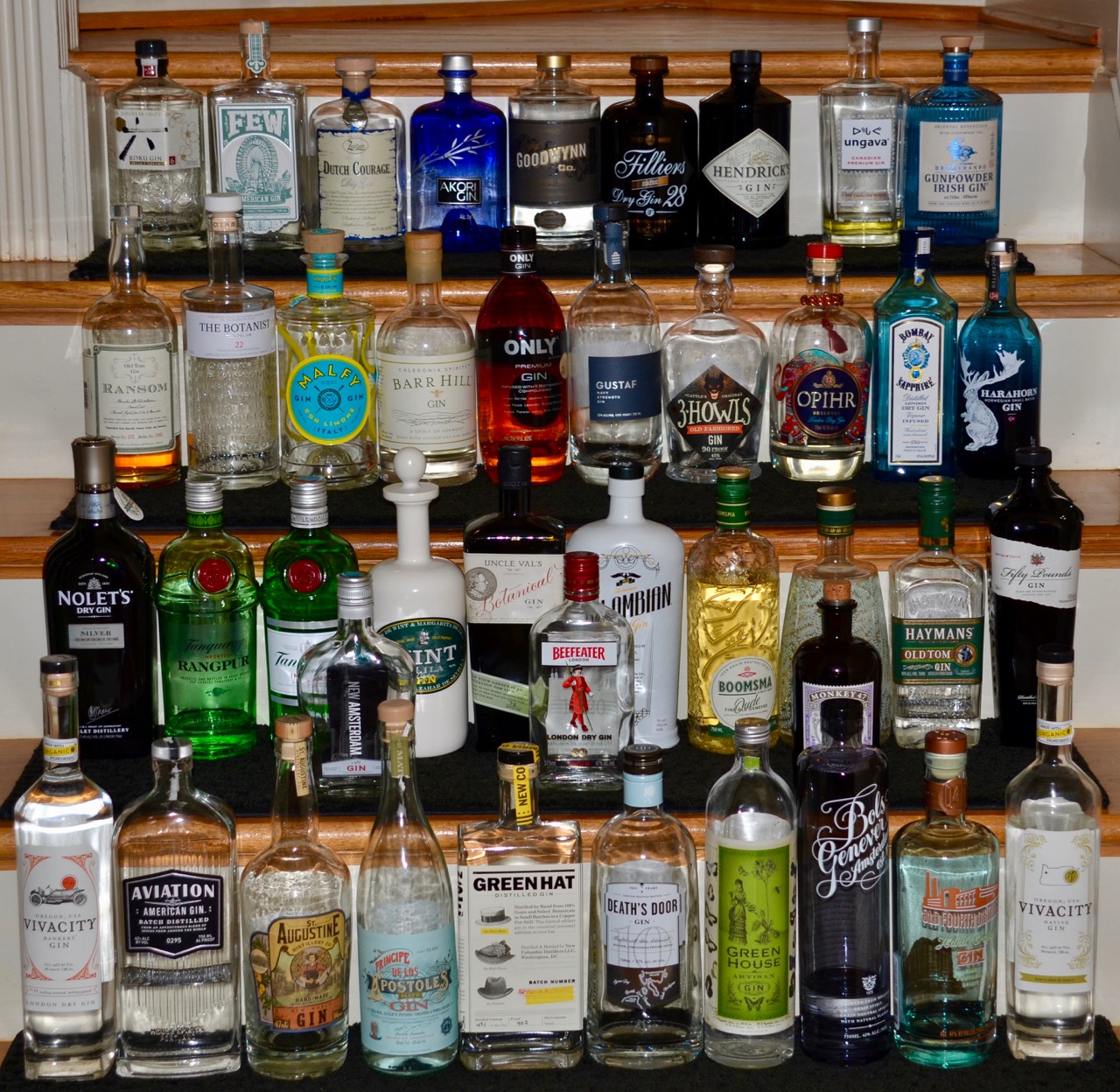
I started this experimentation with Gins back in January of 2017. Before that I read up a few books on the history of gin and the intricacies of the production process. I had figured that I would finish up my research with about 15 gins in a year. I had clearly underestimated the different nuances that you can get in a wide variety of gins. As a result, it took me a year and a half to go thru 42 different gins.
In the process, I learnt a lot about how the monks in south Netherlands / north Belgium created gin for medicinal purposes by adding juniper to the distillation process, how gin was preceded by Old Tom and even that was preceded by Genever, how gin became the scourge of London at one point of time, how London Dry gin does not have to be from London.
Over that time frame, I got some great recommendations of new gins from friends like Irene and Neil, got some gifted by other friends like Julio and got some additional tips from experts like Garrett. Collected those 42 bottles from 15 different countries. Some of the more famous ones did not sit well with me – but found some great ones in labels I had never heard of.
The best part was doing the research on a particular label before trying it out and visiting a few of those distilleries.
The inevitable question will come – what is the best gin I liked. I cannot honestly say that I have a favorite. Sharmila and I always go for a Hendricks, so that does not count. Frankly, I have already forgotten the taste of a few more. But I can certainly recommend Gunpowder from Ireland, Malfy from Italy, Ungava from Canada, Barr Hill from Vermont, Wint and Lila from Spain and Tanquerray Rangpur from London.
11 July
2018
From the bartender’s corner: Gin #42 – Bombay Sapphire
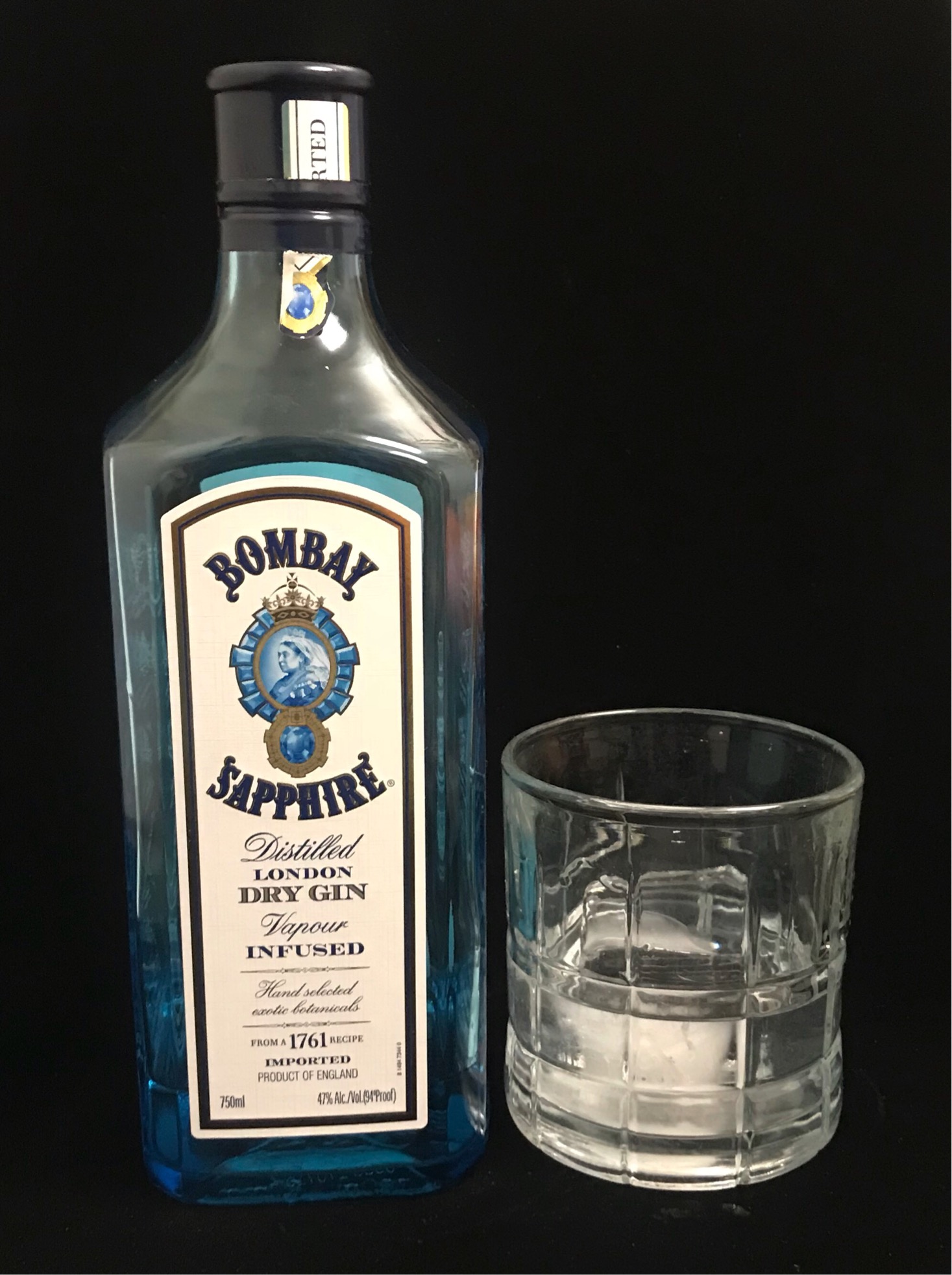
This is the last in the series of gin trials and reviews. I am finishing with the other iconic (first one being Tanquerray) bottle you can see in just about any bar you go to. Bombay Sapphire has that distinct blue colored bottle that is easily recognizable from a distance. I understand this is the second highest (by volume) consumed gin in USA. The gin itself came of being in the late 1980s
The gin has a distinct nose and palate to it. You will recognize a Bombay Sapphire after having it a couple of times. I always thought that they have some special herbs or botanicals the gave it those distinct notes. As it turns out, the botanicals are fairly standard for any gin – perhaps it is all in the proportions and the process.
The process includes neutral grain spirits being vapor distilled with those botanicals in copper baskets. The botanicals are all mentioned in the bottle – Juniper berries, lemon peel, coriander, orris root, almonds, cassia bark, licorice, angelica, cubeb berries, and grains of paradise. The last two botanicals is what separates out a Bombay Sapphire from a Bombay Original.
After trying out so many gins, going back to Sapphire, the fist thing I noticed is that the juniper is not as prominent as you would expect in a London Dry gin. The nose is distinctly citrusy and has floral notes. The palate comes in two parts. You will first feel the oily, silky texture as it fills out the mouth. If you keep it in the mouth and swirl it, you will get the burst of citrus and the spiciness of the cinnamons fill your mouth up. The junipers will still be understated though. The finish is nice and long with juniper coming thru more strongly here and the expected citrus.
Always a great gin to go to when you cannot quite make up your mind!
3 July
2018
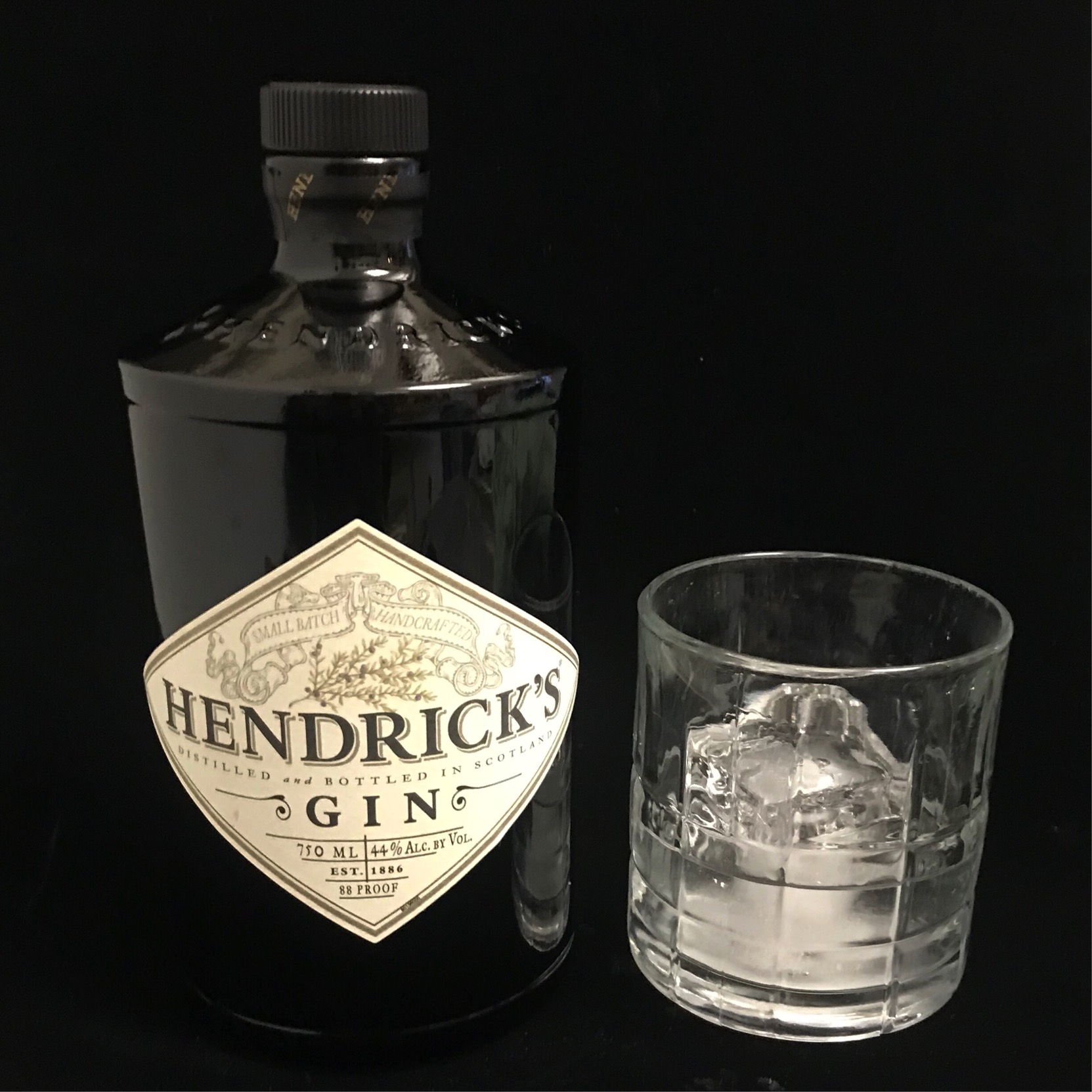
From the bartender’s corner: Gin #41 – Hendricks
This is my penultimate review of gins and this is the gin that turned me on to gins. Our absolute house favorite – Sharmila will swear by it – this is our de facto drink many a evening. Bensan – then a bartender at the Arola bar in JW Marriott, Mumbai (and now an even more famous bartender at the Shangri La in Abu Dhabi) had asked us to try this gin with a Fever Tree Indian Tonic Water. He even had taught me how to cut the cucumber the proper way and slip it between the ice before pouring Hendricks in it. (You can see it in my blog entry dated Jan 2, 2014). We have never looked back ever since. Anybody who wants to ever try out gin – our guaranteed response is – “Try Hendricks with some Fever Tree”.
Now this is a very unique gin and I also consider their process to involve some cheating. I will get to that in a second. It has a very distinct flavor of cucumber and rose petals in it. Which explains the cucumber as a garnish.
Two things had surprised me when I started the research on this gin. First, it is made in Scotland. Somehow I associate Scotland to hard scotch whiskies and not soft cucumber. The other is that Hendricks is a very young gin. It is not even as old as my elder daughter!!
The distillation is very unique – in fact it uses two different distillation processes and then mixes the output! The botanicals are all the traditional ones – juniper, angelica root, coriander, lemon, orange, orris root along with some interesting ones – caraway, chamomile, cubeb pepper, cucumber, elderflower, rose and yarrow. All that is fine. But in the end, they add Bulgarian Rose essence and Cucumber essence. And that is where I feel they cheat. The nose, palate and finish should come from the distillation process and not by adding essences later. (People can always go to flavored vodkas for that). Well, that is my point of view certainly.
The bottle shape is a throwback to the olden times when gin – specifically juniper – was vaunted as a medicine. (In general all alcohols were originally thought to be medicines. If you ask me, they still are 🙂 ). The bottle looks like a traditional medicine bottle.