2 December
2019
26 November
2019
Visit to the local distillery and liqueur manufacturing
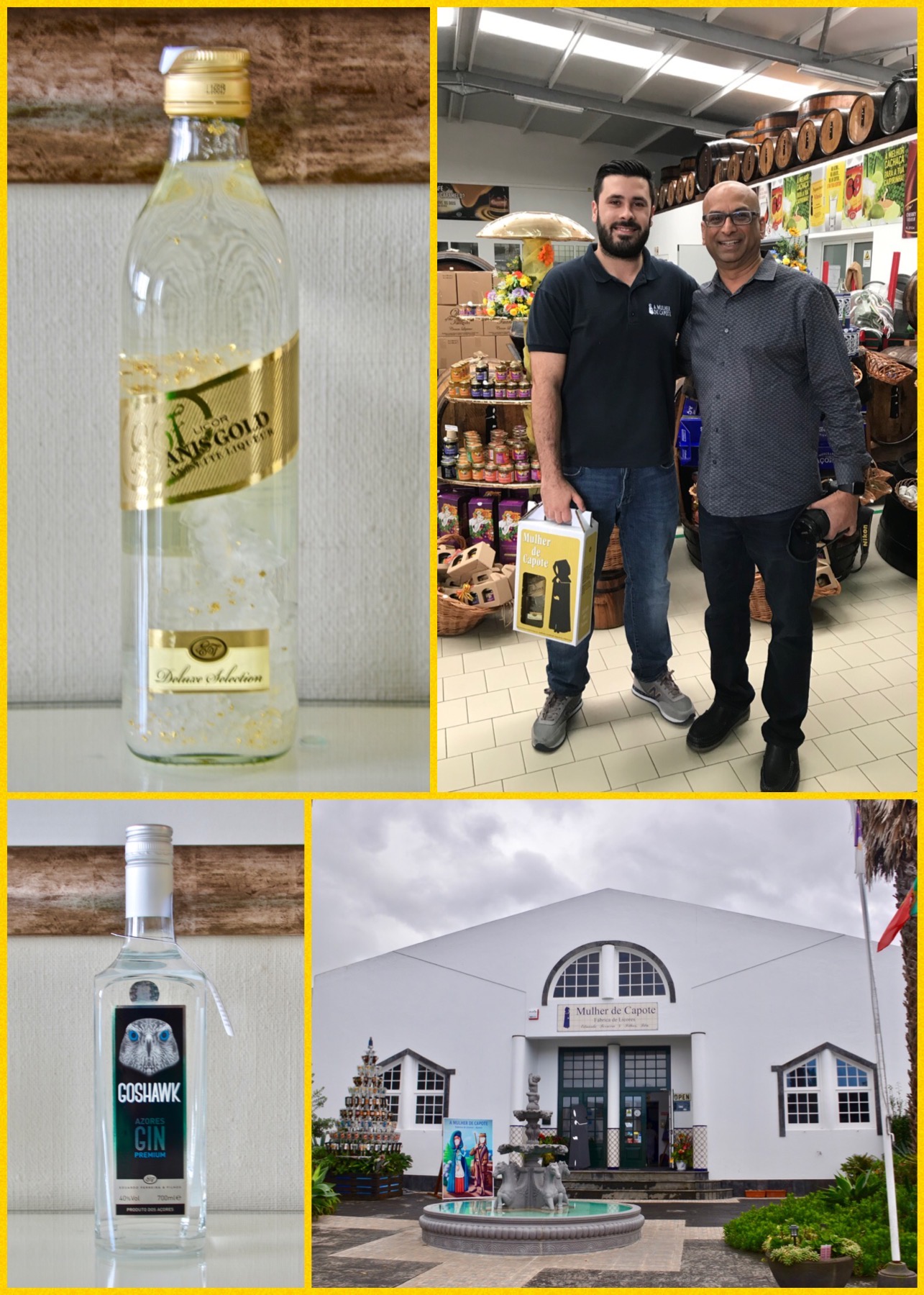
What I was not aware of is how many different liqueurs are made in Sao Miguel island. Tiago Mela in Mulher de Capote took me thru the whole list and showed us around the manufacturing process.
An interesting anis liqueur (which is not Licor Beirao – from mainland and is Sharmila and my absolute favorite anis based drink) caught my eye. The bottle has a anis plant inside and covered with sugar crystal. Think sweet and think anis. And if you are a Bengali, think yummy!
While I finished up my deep dive into gins over a year back, decided to pick up a bottle of Goshawk gin, nonetheless. The previous day, Arsenio had me try the local gin at the hotel bar.
25 November
2019
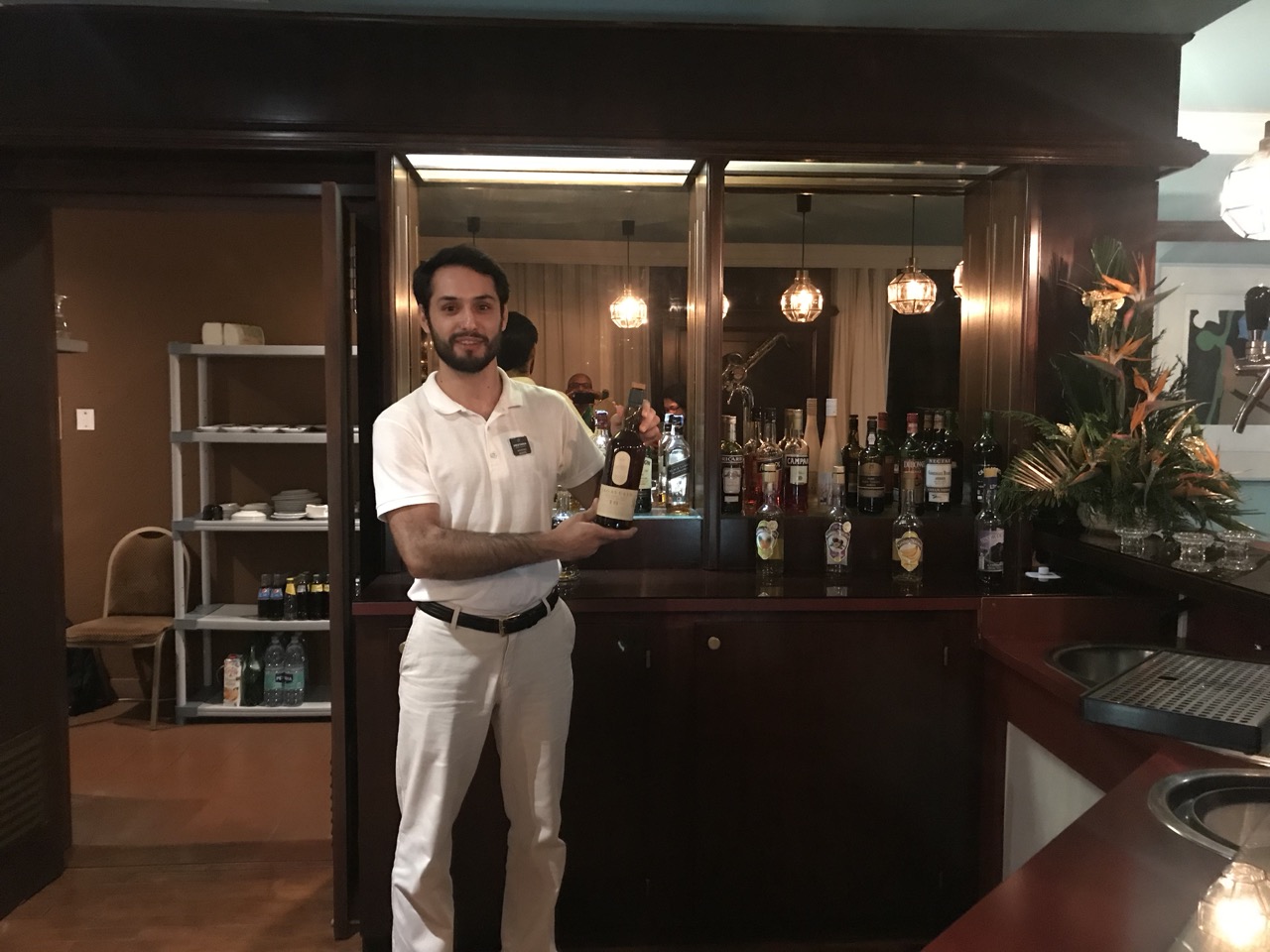
Great evening with our bartender
Sharmila and I spent a great time with Arsenio – our bartender at the hotel. He has an amazing knowledge of all alcohols and their stories. Of course, it is the local stories that intrigued me the most.
I never realized the amount of local liqueurs, rum and gin that is made in the island! Or that aguardente (aguardiente in the Spanish world) is so popular in the Portuguese world.
Took a lot of notes… and tried a few local beverages…
17 November
2019
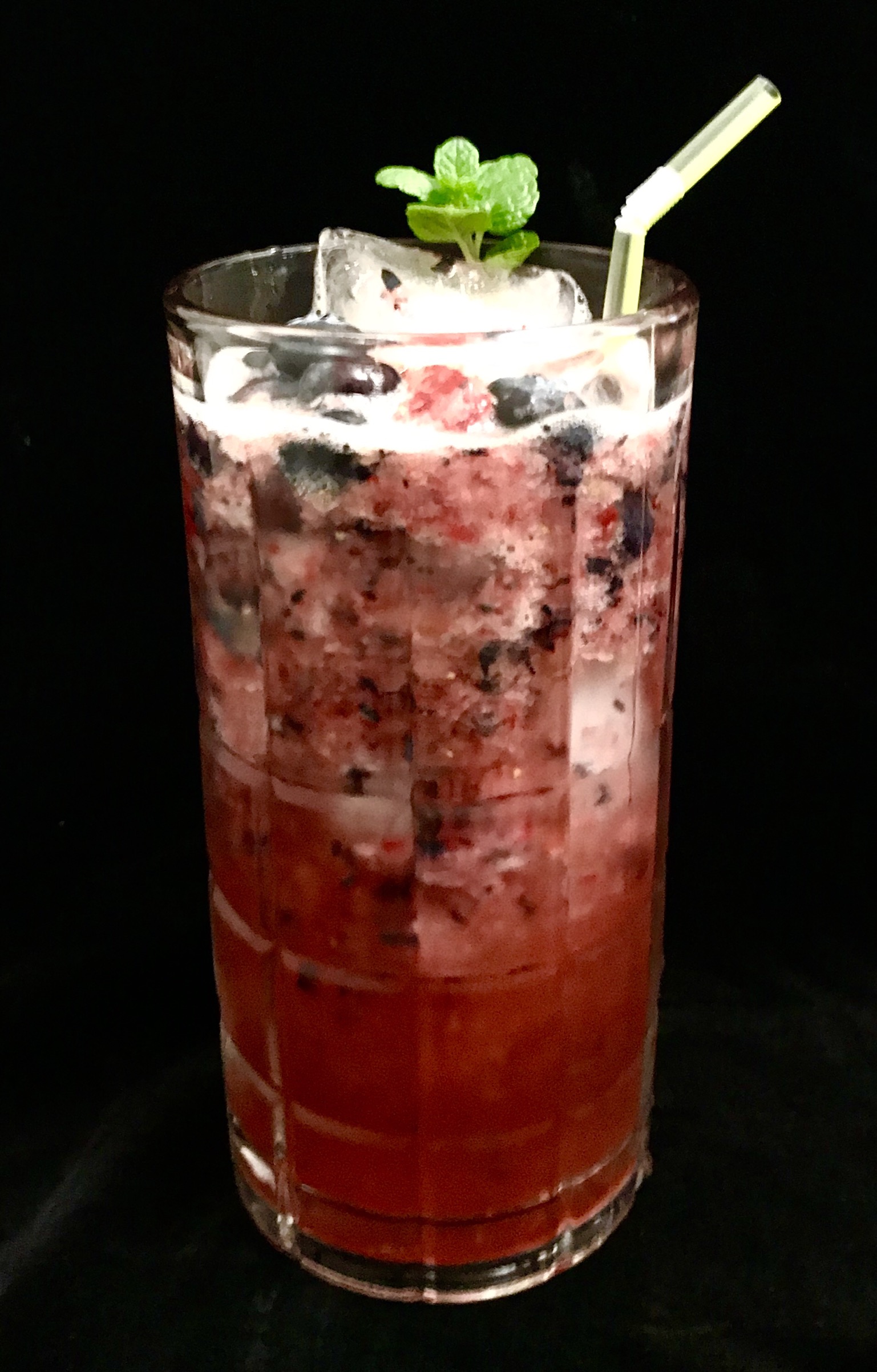
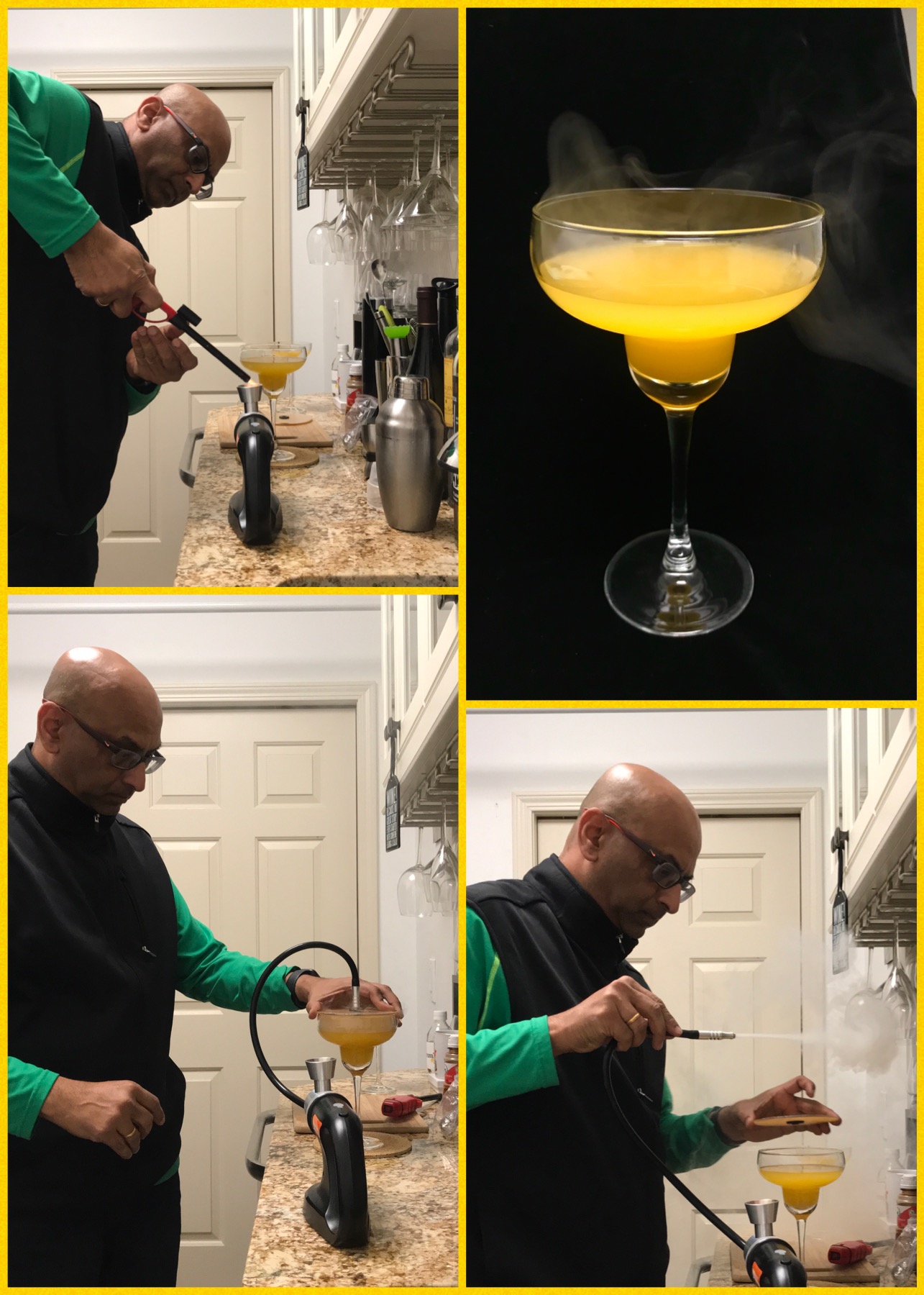
Smoked mango mezcal cocktail
29 September
2019
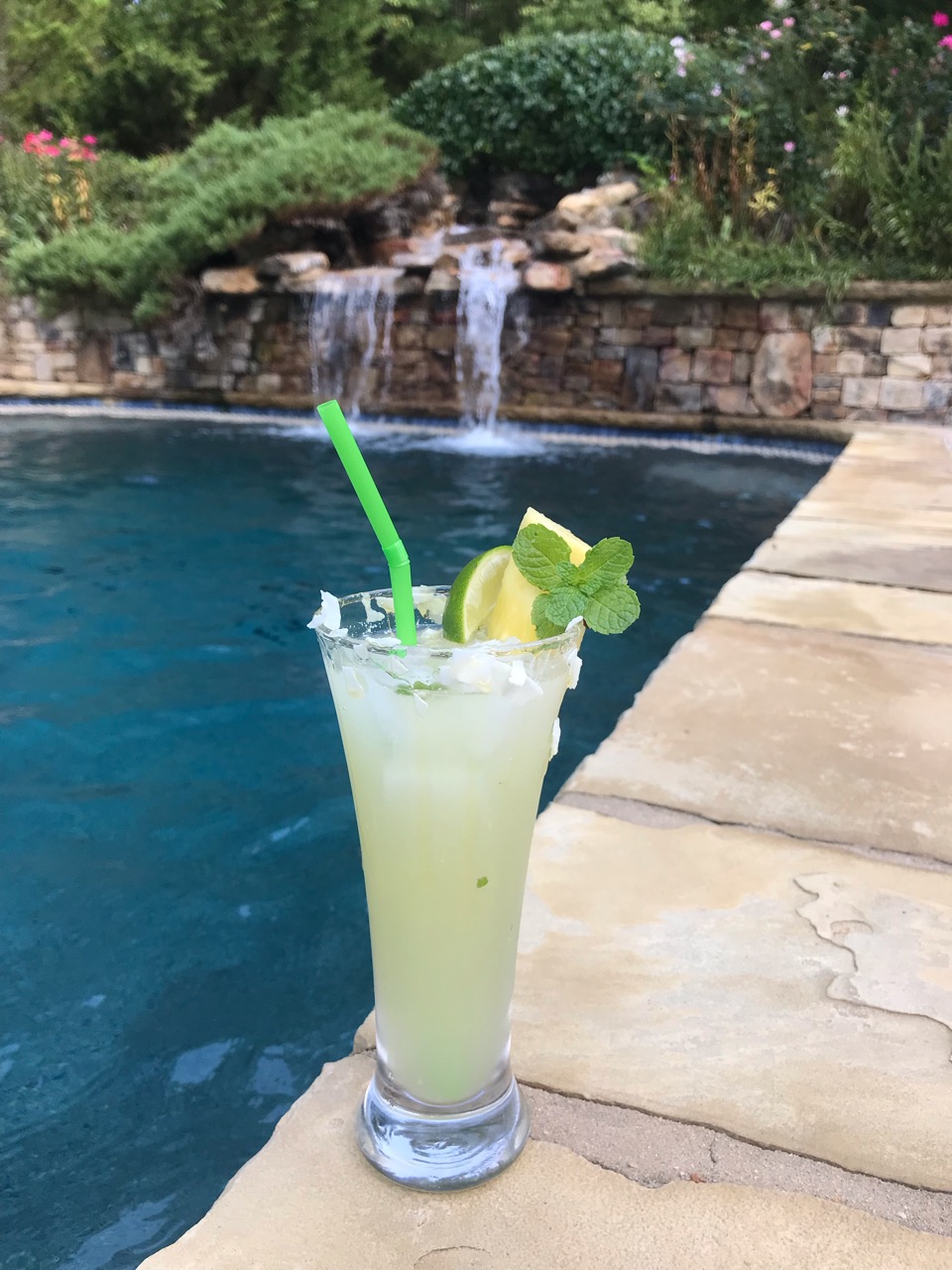
From the bartender’s corner – Pineapple Coconut Mojito
22 September
2019
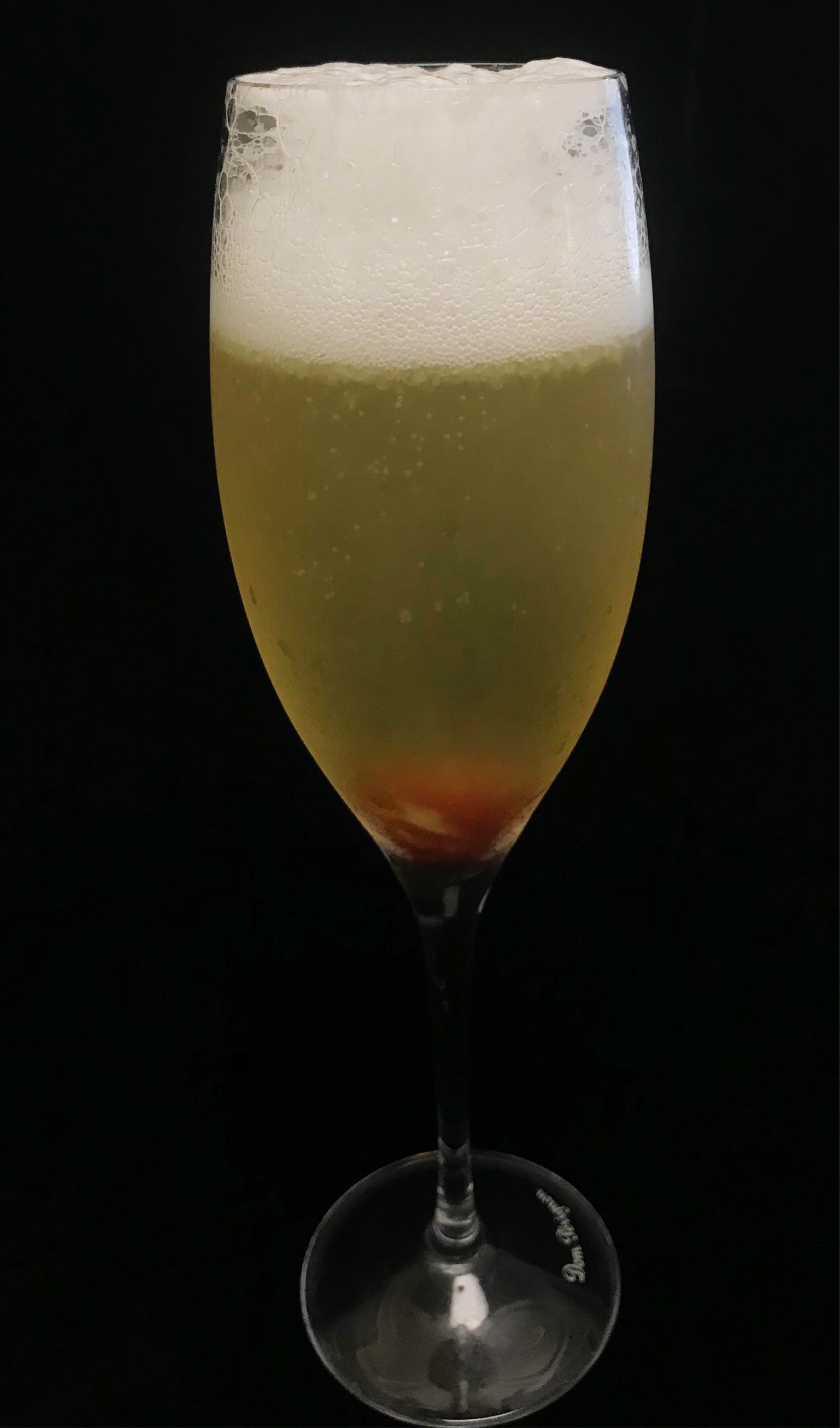
From the bartender’s corner- Flirtini
14 September
2019
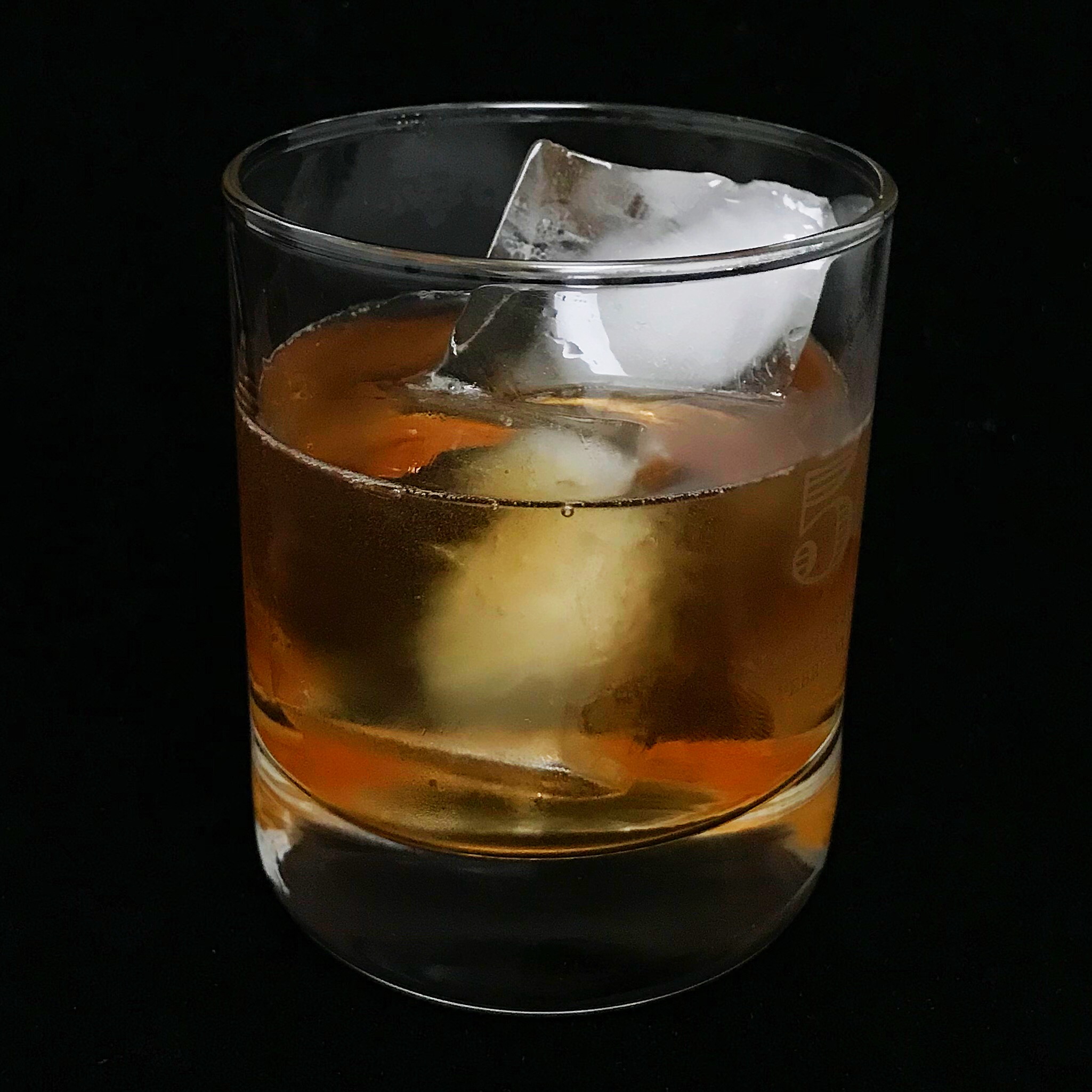
From the bartender’s corner: All Jacked Up
8 September
2019
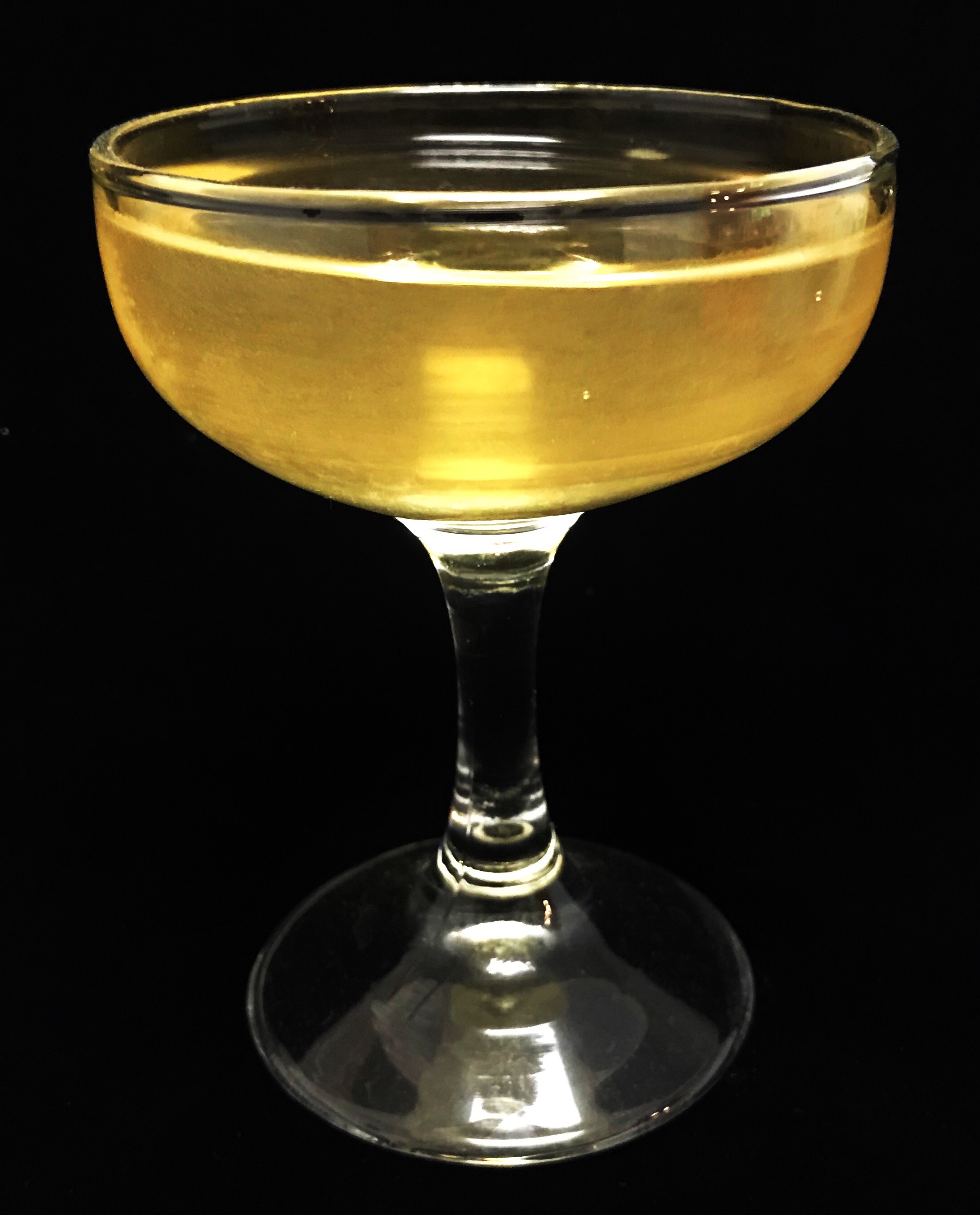
From the bartender’s corner – Fat Ham’s Sidecar
30 August
2019
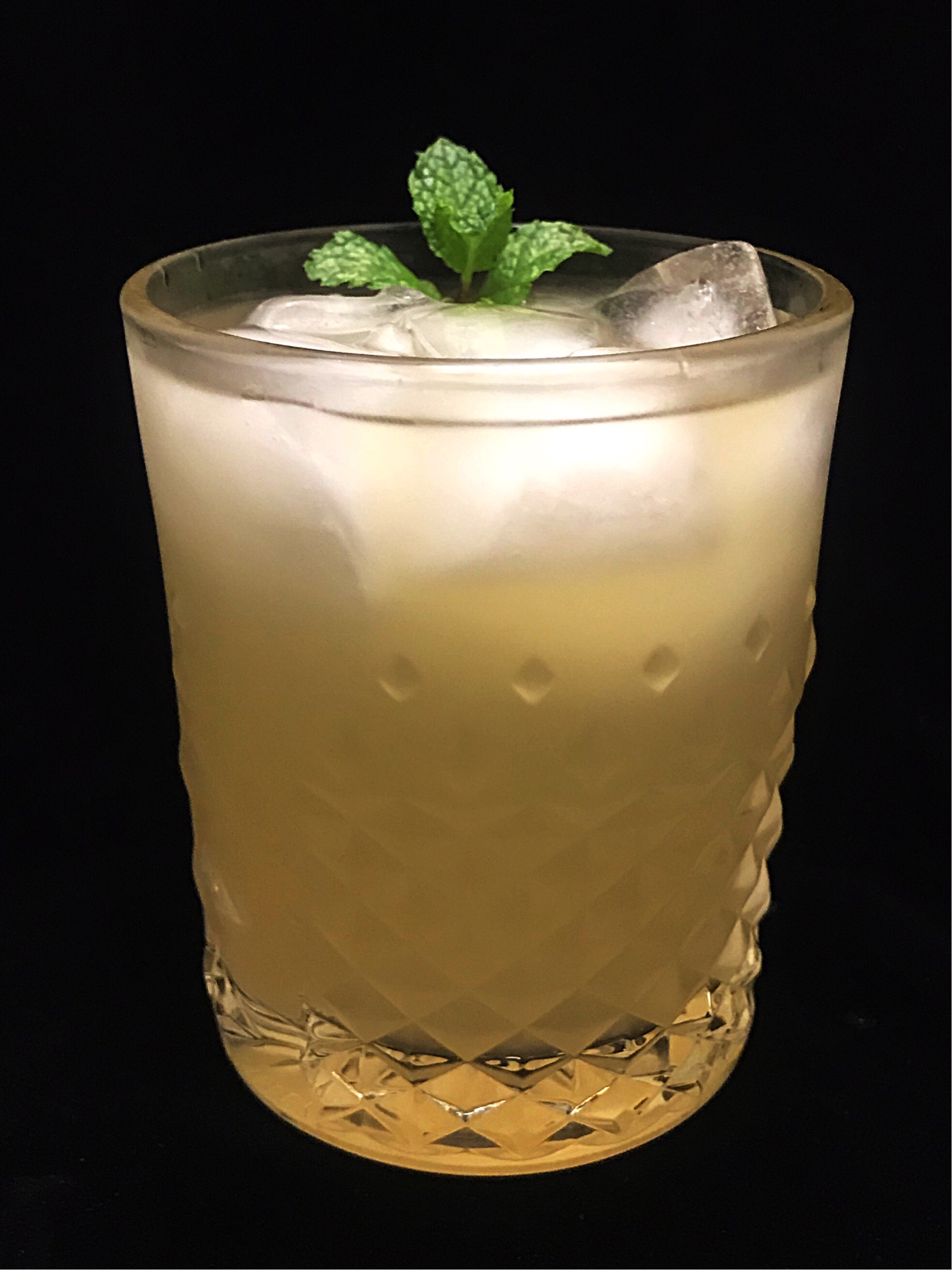
From the bartender’s corner – Kombucha Mezcal Mule
18 August
2019
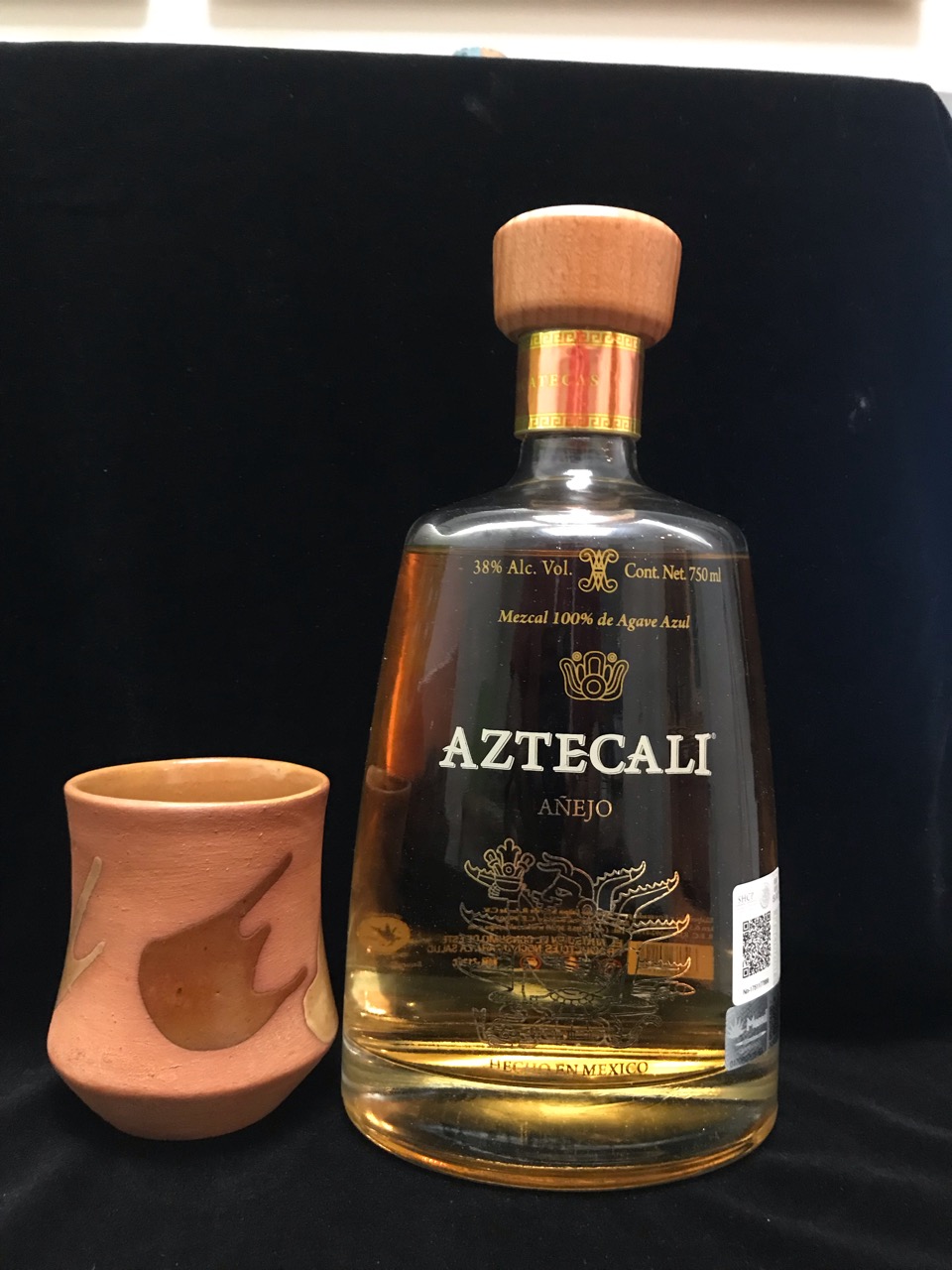
From the bartender’s corner – Mezcal #9: Aztecali
This is a very different mezcal from any other mezcal that I have had till date. For starters, this is the first mezcal I had that is not from Oaxaca. In fact, this is from Zacatecas (one of the other nine states that can claim to call it mezcal).
My good friend from office – Luz Barajas was visiting her family in Mexico. She knew about my interest in Mezcals. Her husband who is from the Zacatecas area got this for me! Thank you Luz !!
The remarkable thing about this mezcal is that it has absolutely no smokiness to it. In many ways, I am surprised that they even call it mezcal. The agave is NOT simmered in fire underground – which I thought is a must for any mezcal. Also, instead of espadin (the most commonly used agave in Oaxaca), this uses the blue agave – which is what Tequila is made from.
Finally, the variety I had is Anejo – so this has been aged for 18 months in American white oak barrels unlike the Joven or Blanco mezcals that I have.
Made by Real de Jalpa, this has a different production process from traditional mezcals. Like I mentioned, it does not do the underground fire thing. Also, it uses stainless steel stills instead of copper ones. However, it does do double distillation which is a must for mezcals. At least to me, this is closer to a tequila than a mezcal.
Folks who do not like smokiness (like Sharmila) and those who would love to have keto-compliant drinks (low glycemically), this would be a great choice. I also think this will make for some great cocktails…