13 November
2021
29 October
2021
What is the English word for this tool?
After the “last” post of the cobbler from India, this is yet another tool that I remembered from early childhood in India. Before winter, these folks would come with this tool that can be best described to look somewhat like a big safety pin – made mostly of wood except it had a thick string on one side. And the guy would have a wooden thing in his other hand that looked like a dumbbell that he would hit the string with. This whole contraption was used to fluff up the cotton that would have invariably flattened out in the mattresses and quilts after many years of use.
People who grew up in India will definitely remember this. Did any other country use a similar looking tool?
In any case, do you know what is the English word for it? After a lot of research, I am still struggling. I have found at least what the guys who are in this profession are called. Want to take a guess?

26 October
2021
A beautiful poem
I had not read this one before. But it touched a chord in me as I find myself more and more absorbed in thoughts of my own mortality, impending empty nesting and a minimalism impulse to shed off things and break free…
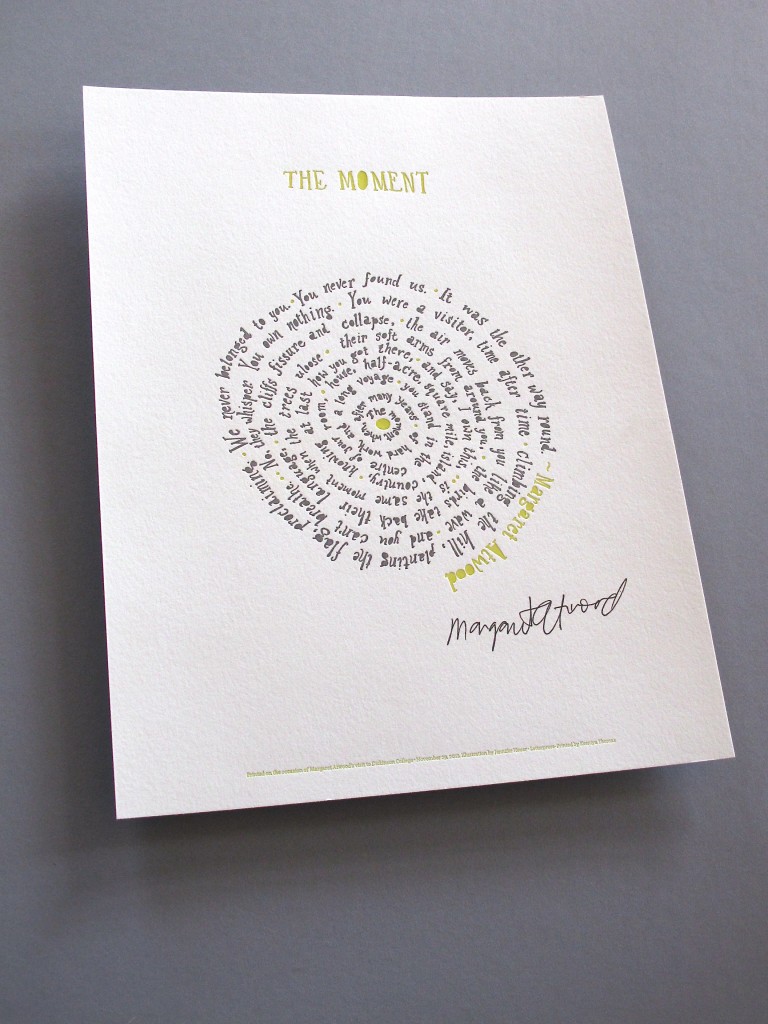
“The Moment”
by Margaret Atwood
The moment when, after many years
of hard work and a long voyage
you stand in the centre of your room,
house, half-acre, square mile, island, country,
knowing at last how you got there,
and say, I own this,
is the same moment when the trees unloose
their soft arms from around you,
the birds take back their language,
the cliffs fissure and collapse,
the air moves back from you like a wave
and you can’t breathe.
No, they whisper. You own nothing.
You were a visitor, time after time
climbing the hill, planting the flag, proclaiming.
We never belonged to you.
You never found us.
It was always the other way round.
16 October
2021
Saturday winding down
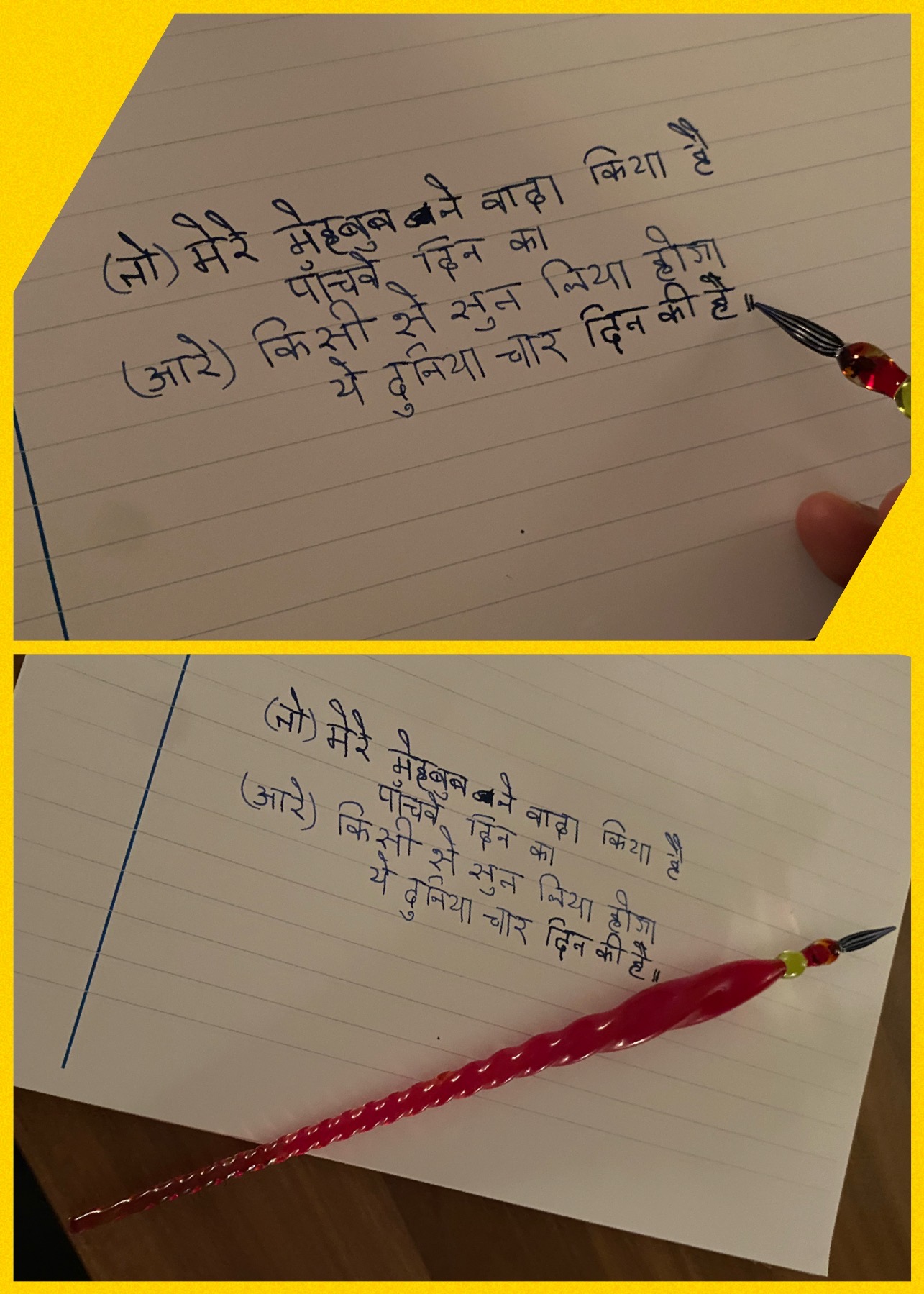
(To) Mere mehboob ne wada kiya hai
Paanchve din ka
(Aare) Kisi se sun liya hoga
Yeh duniya chaar din ki hai.
Roughly translated…
(So) She has promised to meet me
On the fifth day from today
(Perhaps) She also has heard from others that
This life is only for four days
(As a cultural context, “duniya chaar din ki hai” literally means that this world is for four more days… the point being life is only for a few short days more)
1 October
2021
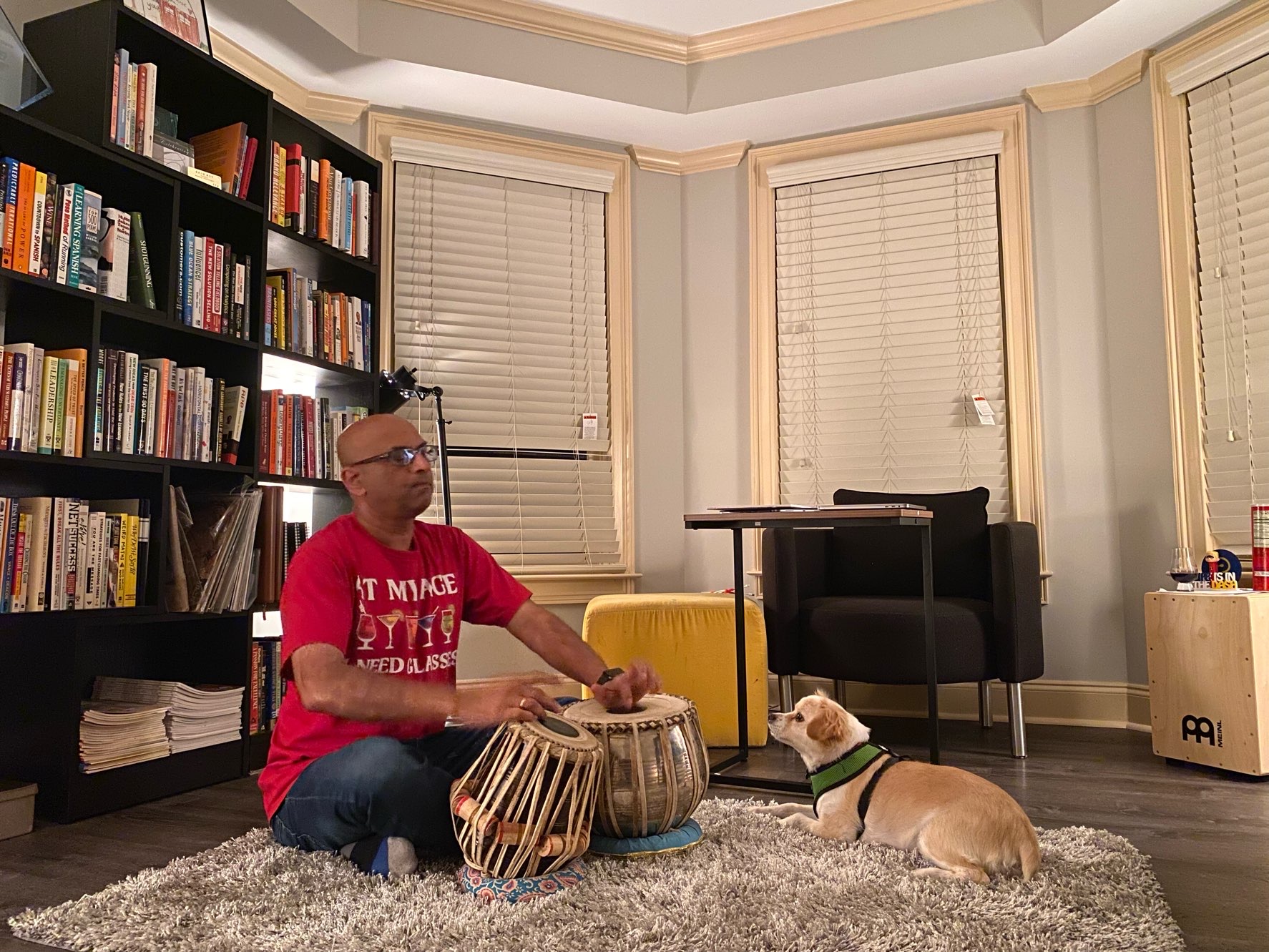
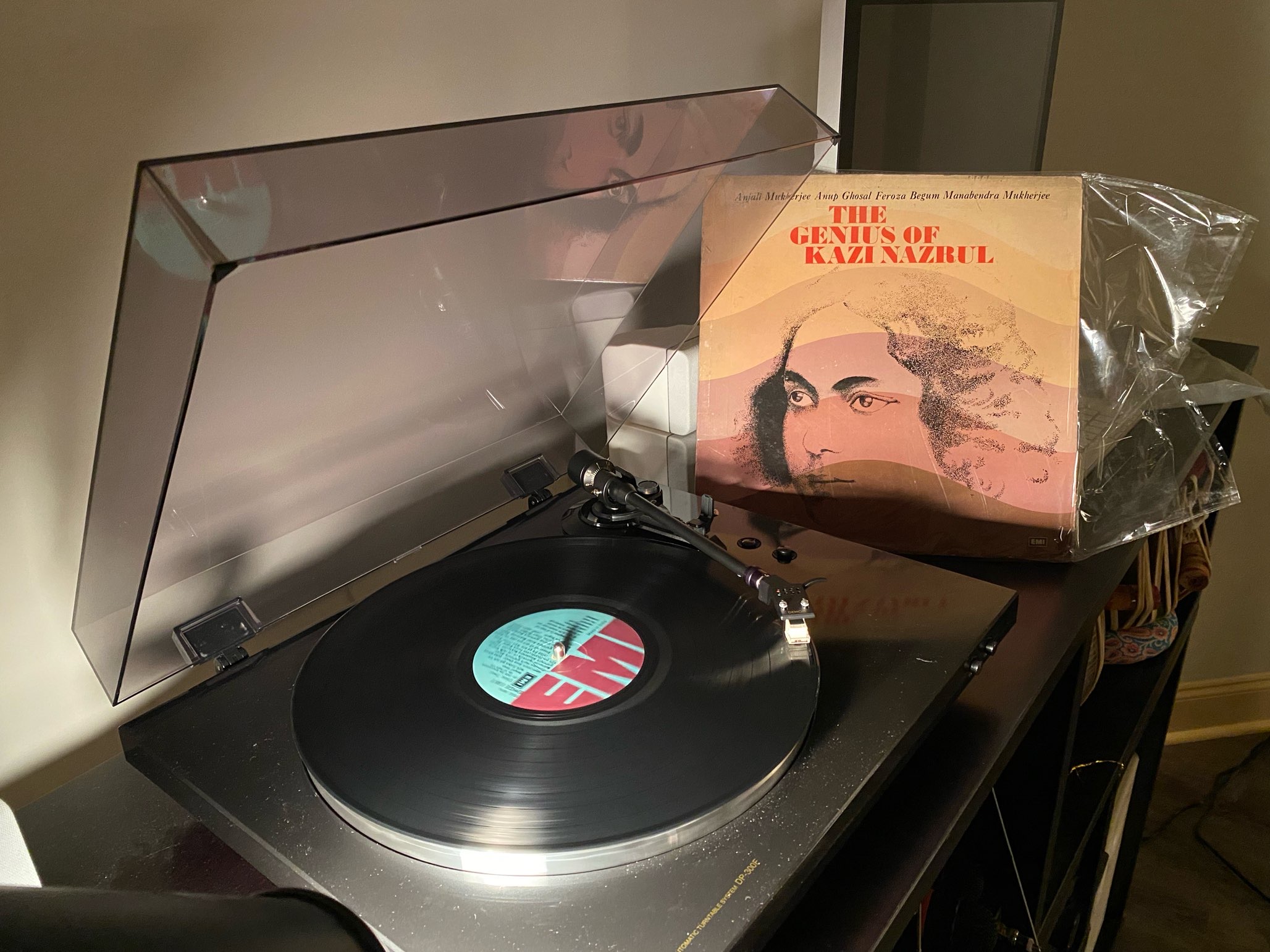
Remembering my father in law…
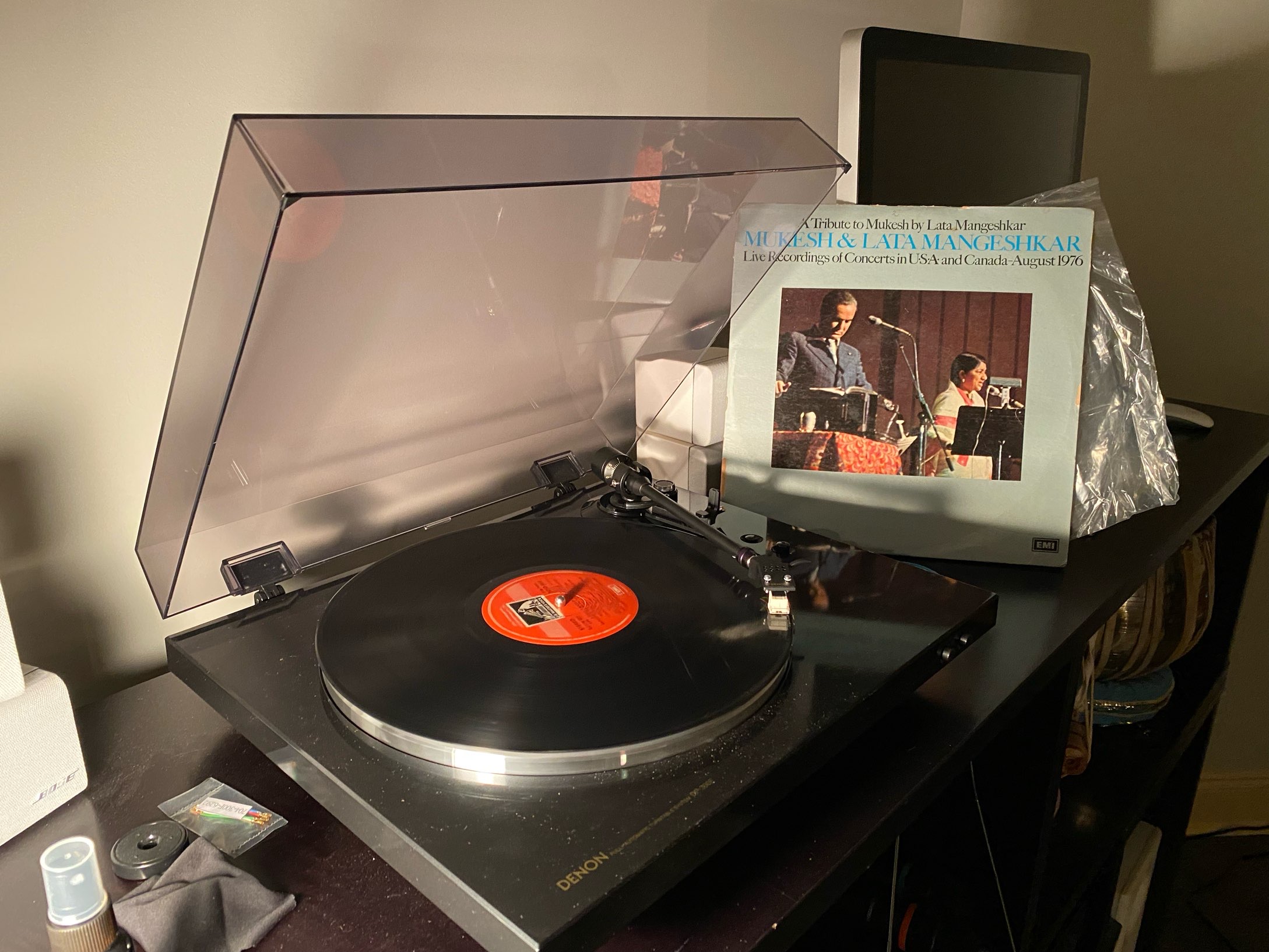
Today is his birthday. If he was alive, he would have been 87. One of my lasting memories of him when he visited us the summer of 2014 was to sit by the pool with the citronella lamps on, drinking red wine and listening to Nazrulgeeti.
Today’s Nazrulgeeti reminds me of him…
“Aami chirotorey durey chole jaabo
Tobu aamaarey debo naa bhulitey”
Roughly translated…
“I might go away from you forever
But I will not let you forget me ever”
1 October
2021
Nazrulgeeti for the evening
30 September
2021
How our memories can play tricks on us – an interesting episode
I am sure we all talk about fading memories – especially as you grow old like me. Here is the thing though – even when our memory is not fading, we cannot unequivocally trust your memory.
Meeting a new friend
“Matt wanted me to come and meet you”, said the young lady as I was passing by a bunch of empty cubes in our PE firm’s office in San Francisco. I had grabbed my lunch between meetings and was walking towards where I had parked for the day to finish eating.
Not knowing the context, I replied “Sure. Let me finish my lunch and I will get you in 20 minutes”.
Well, lunch did not take that long. I figured I would check her Linkedin profile and get to know her background – so I would be a little prepared during the introductions. But there was one catch. I did not know her name!! Of course, going back and asking her “What is your name?” would have been silly.
So, I went around the office from the other side and tried to locate Matt. Unfortunately, his door was closed and he was in a meeting. I strolled further and came across my birthday-buddy Raj. “Hey Raj, you know that young lady sitting on the other side right in the middle by the corridor?”. Raj tried his best to remember but could not.
Saw Leeraz was nearby.
“Leeraz!”
“Hey!”
“You know that lady sitting on the other side by the corridor in the middle section?”
“Ummm… blonde, right?”
“No. Black, flowing hair”. I could not remember her face – I had seen her but for a few seconds – but I remembered the black flowing hair – almost glistening like many Asian ladies have. In fact, I could close my eyes and see the hair. Not much of the face though.
“I do not think I know her then”.
Fortunately, Matt opened the door at that moment and stepped out.
“Matt. Did you send a lady to come and meet me?”
“Yes. Her name is Paige. She has joined our sourcing team. You will enjoy talking to her. She can learn form Riverside too.”
“Ok. What is her full name?”
“Paige Dolby.”
“Cool. I will meet her.”
Went straight back to my room – this time went by Paige (I had nothing to fear – I knew her name now 🙂 ) and waved – “I will see you soon”.
Checked her background in Linkedin. Saw the picture I have attached here.
“Ah! she had dyed her hair blonde when she took this picture”, I mused to myself.
Fully equipped with her background info – and some threads of potential intersection points, I went to call her in.
I went over to her desk. And stood there staring at her. There was Paige Dolby – right in front of me – blonde, as blonde could be. Even then, I could distinctly recollect the black shining hair picture in my mind.
After a couple of awkward seconds, I told her “You will not believe this…..” and narrated the story.
This has happened before
This has happened to me many times. Especially as the daughters were growing up.
“So, Nikita – which friend of yours has a parent working in our company?”, I would ask after a kids’ party at our home.
“Bethany”
“Which one was Bethany”
“The red haired one”
Arrrgh!!! That never narrowed down for me.
Why does this happen to me?
You see, growing up in India, I was used to only one color of hair – kind of like what Ford said – black. Usually jet, shiny black. The only other color was what we call grey hair (actually white in color). And then, there was no hair. But there was no other color.
Hair color was never a differentiating characteristic. Length of hair, style of hair, skin color, nose length, eye width – all that yes. But never hair color.
After coming to the USA, I got to see other kinds of hair colors. But they never registered much at all when it was not in front of my eye.
My eyes “see” it – meaning the brain processes alright but does not register it or push it to the hippocampus for short term memory. Let alone long term in the cortex.
And this is how all brains work. Our memory does not remember the whole event or scene. But when the brain tries to recall it, instead of recognize the gaps, it just fills in the gaps!! Much like you never see a hole (“blindspot”) as you look out corresponding to where your optical nerve meets the retina. That is because the brain just fills the hole up with approximate data from the immediate surroundings.
When I saw Paige, I would have surely seen her hair. But the brain just did not mark it as an interesting data point. It was biased to believe all hair color is black. And moment she was not in front of me, my brain promptly filled it up with black hair when I needed to recollect.
Remember, I saw her Linkedin picture. But my brain did not even doubt itself. It convinced itself that she had dyed her hair!!
The dissonance of seeing her actual hair color and then close my eyes and see the black hair distinctly was palpable.
It can have serious ramifications
Later that evening, over some cocktails at the Pier, I was narrating the story to Celeste, Jim and Leeraz. I was still marveling at how memories can play tricks on you. Celeste asked a very interesting question – “So, how much can we really trust eye witnesses?”
The import of the question hit me immediately. In a court of law, I would absolutely say under oath that the lady I saw had black hair.
That is the power of unconscious bias!!! And how unreliable memory can be!!!

18 September
2021
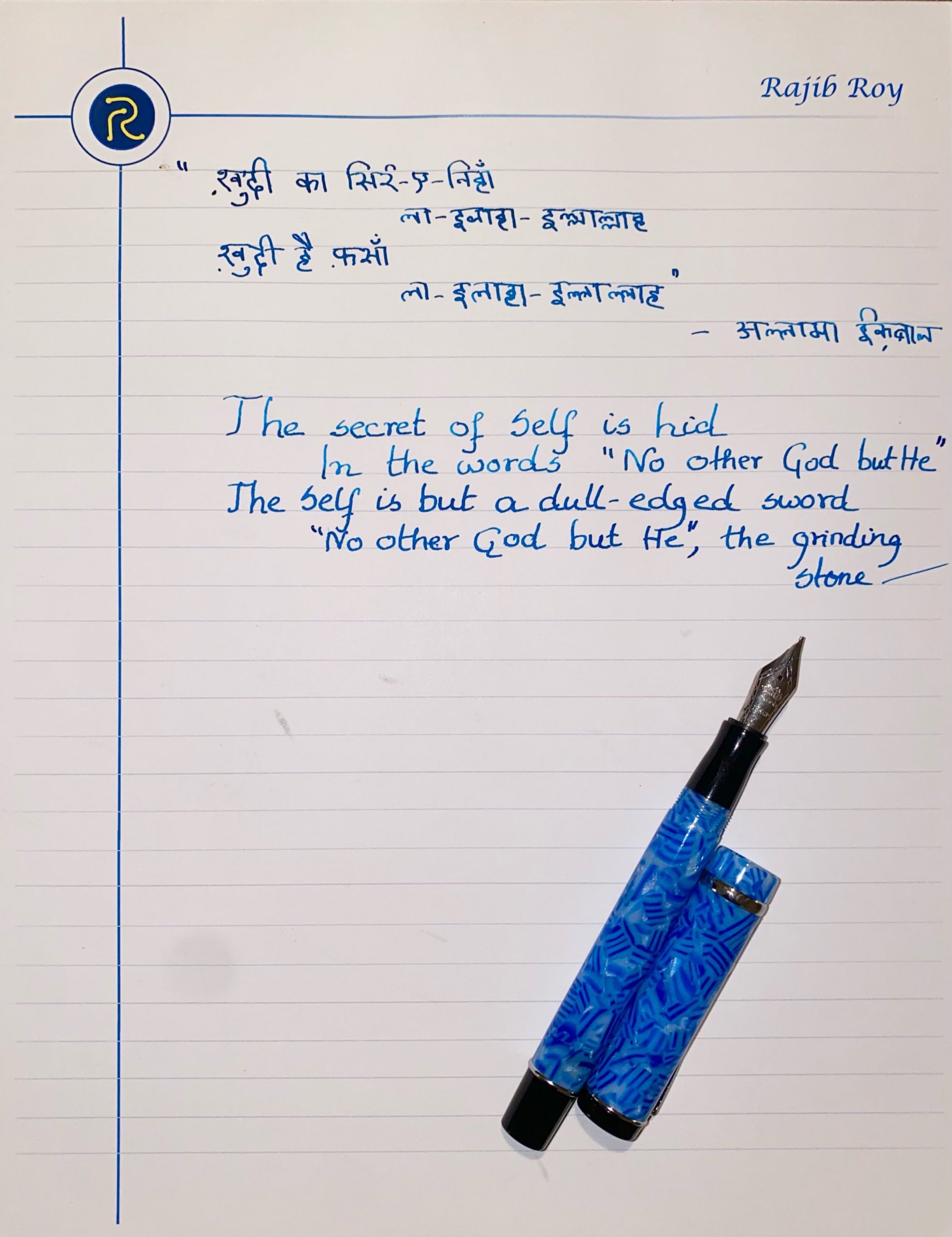
In the words of Allama Iqbal…
17 September
2021
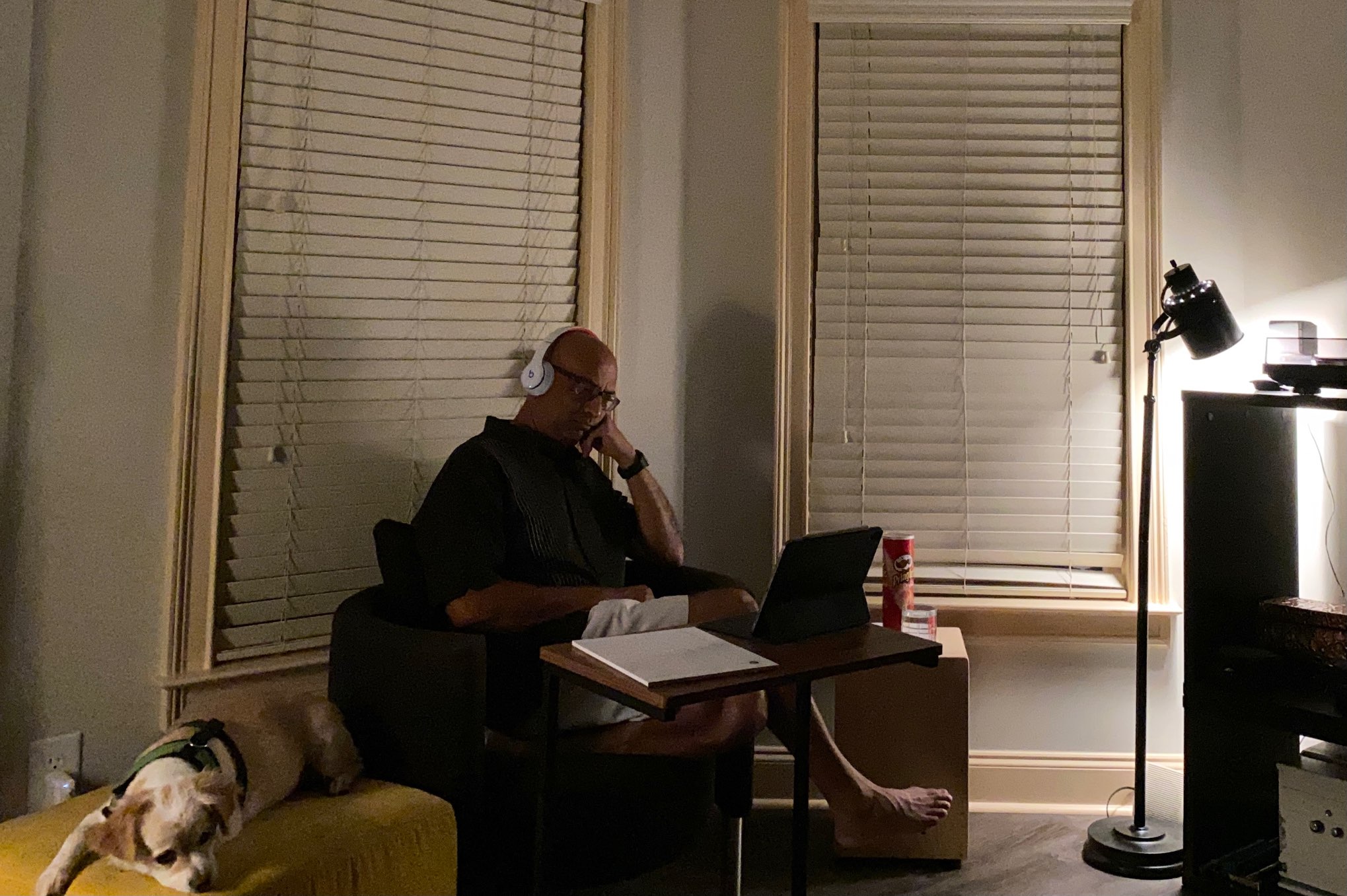
Listening to Rumi’s poems
14 September
2021
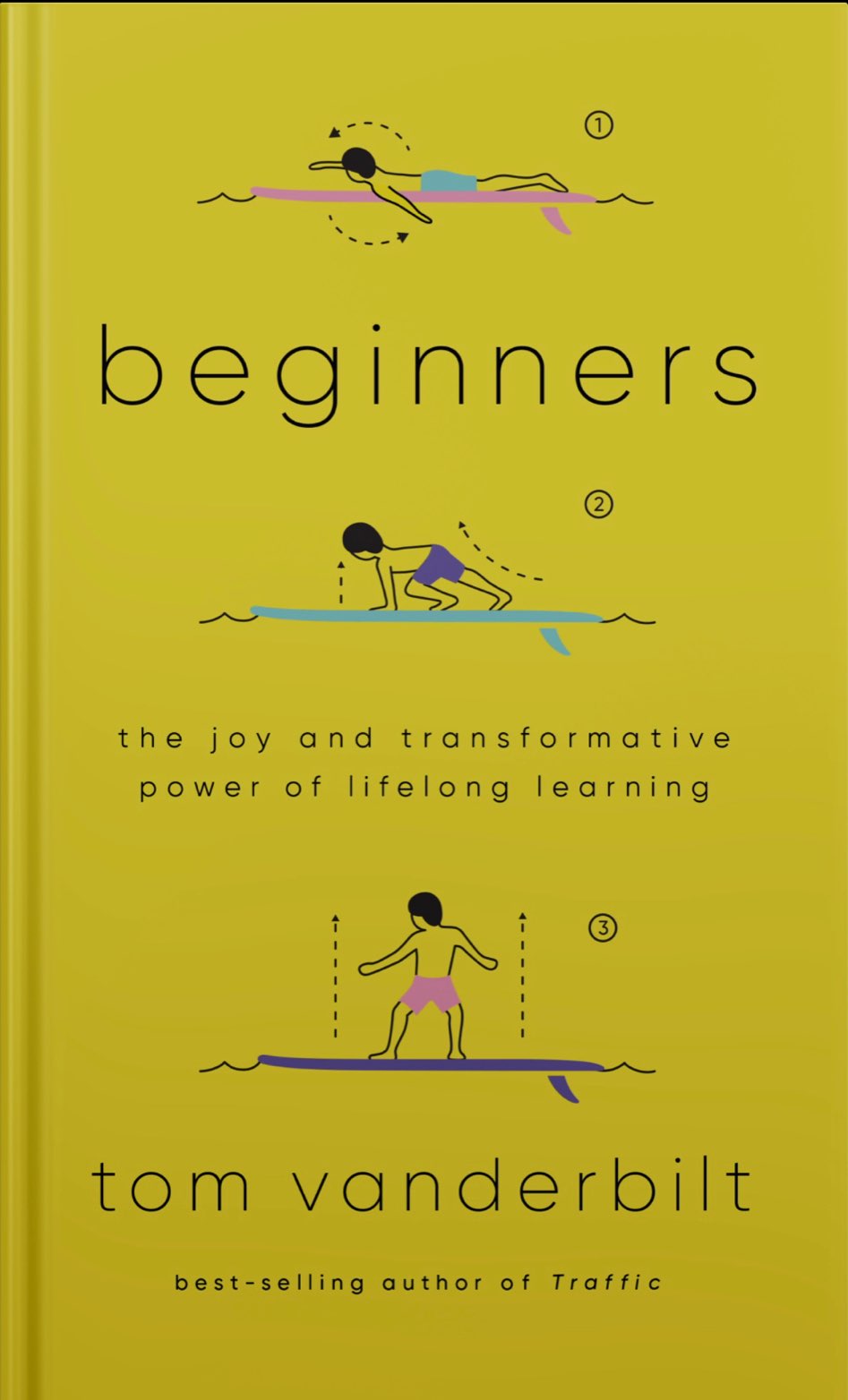
Book Review: Beginners by Tom Vanderbilt
Did you know you can whistle more accurately than you can sing? Do you know why?
OR
Most of us have difficulty copying a drawing of a face. Turn it upside down and it becomes much easier!! Do you know why?
OR
Students who studied both science and arts – a relative rarity – were much more likely to later assume leadership roles?
Well, the reason I picked up this book is my desire to learn new skills every other year or so. I was looking for a book that delves into the learning process itself. I had to believe that at a first derivative level, learning lessons must follow similar patterns regardless of the skill. And if I understood those patterns, learning might become easier as I keep getting old.
The book does not disappoint. For one, it is written by a journalist – who tend to have a flair for writing. For another, he himself has picked up a lot of new skills – playing chess, singing, swimming, surfing, juggling, drawing – at a fairly high level at a fairly old age.
The book started a little slow for me – I was okay with the story telling – but I was looking for some insights. The speed picks up in the subsequent chapters. There is one chapter that is fully dedicated to understanding the learning process and how at old age, we make learning difficult for ourselves.
Some interesting insights about being a beginner:
1. A man progresses in all things by making a fool of himself – GB Shaw
2. Becoming a first-time parent is one of the more fundamental experiences of being a beginner
3. In the beginner’s mind there are many possibilities; in the experts mind there are few – Shunryu Suzuki
4. Students who studied both science and arts – a relative rarity – were much more likely to later assume leadership roles.
Why we stop learning new things:
1. What is admired in today’s society is success, achievement and the quality of performance rather than the quality of experience – Mihaly Csikszentmihalyi
2. The idea of undertaking new pursuits, ones that you may never be very good at, seems perverse in this age of single-minded peak performance.
3. “To permit yourself to do only that which you are good at, is to be trapped in a cage whose bars are not steel but self-judgment”
4. Much of our pain in learning, argues Barbara Oakley, comes from getting hung up on results.
Some considerations towards learning:
1. We all have latent abilities that can be unlocked
2. Skills take time
3. Failure is an essential part of learning
4. Change up your practice
5. Your progress is not going to be linear
6. Skills rarely “transfer”
7. Always be on the edge of the impossible (if it feels easy, you’re probably not learning)
8. Learning new skills helps open new worlds.
9. Goals are good, but keep your eyes open for opportunity
Interesting things I learnt about singing:
1. Weirdly, whispering usually puts more strain on the vocal folks than speaking
2. We do not have as much control over our mouth as over our larynx. In fact, we can whistle more accurately than we can sing
3. The vowel is the voice. The consonant is the interruption of the voice
Dreyfus model of learning:
1. Beginners are always looking at themselves. We do worse at an activity when we focus on ourselves, instead of some “external” target
2. Beginners judge their performance by how well they follow the rules.
3. If beginners are about learning rules, advanced beginners are about actually applying those rules. That also involves when not to apply those rules or how to act when no rule seems to apply.
4. There are often, in moments of anxiety, a disconnect in skills learning between instinct and proper technique… hitting high notes, you bend your knees and dip down, in skiing, you lean forward not to fall, in motorcycling, you push the handle left to go left, in surfing, you punch the accelerator when the brain says brake.
Interesting things I learnt about juggling:
1. One way to improve learning, research suggests, is to make skills seem easier in the beginning (juggle slowly).
2. The key to learning juggling is not thinking. Thinking gets in the way of learning.
3. Sleep, or even a short rest, is one of our best learning tools.
4. The brain wants to be puzzled and learn something new. It likes learning for learning’s sake. Taking gaps in learning – and making mistakes again – solidifies learning.
5. Drawing is said to be a good way to actually acquire knowledge because the act of drawing adds another layer of memory encoding our brain.
Interesting things I learnt about drawing:
1. Copying a drawing of a face is much easier if you just turn it upside down! The brain is not hamstrung by the “meaning” of it anymore! What people drew was more influenced by the symbols in their minds than what was on the page.
2. If you look in a crowded room, all heads appear of same size (called size constancy). Try to draw all heads of same size and something will look wrong on the page. Now draw the heads to their actual dimensions and the brain will see the drawing and still see them all sat the same size!
3. Drawing is not hard. Seeing is!!
Some final points from the author:
1. One of the almost inevitable by products of learning new things is the spillover effect of wanting to learn more new things…
2. The most important lesson was that it was never too late to be a beginner
Two thumbs up from me!!!