4 February 2017

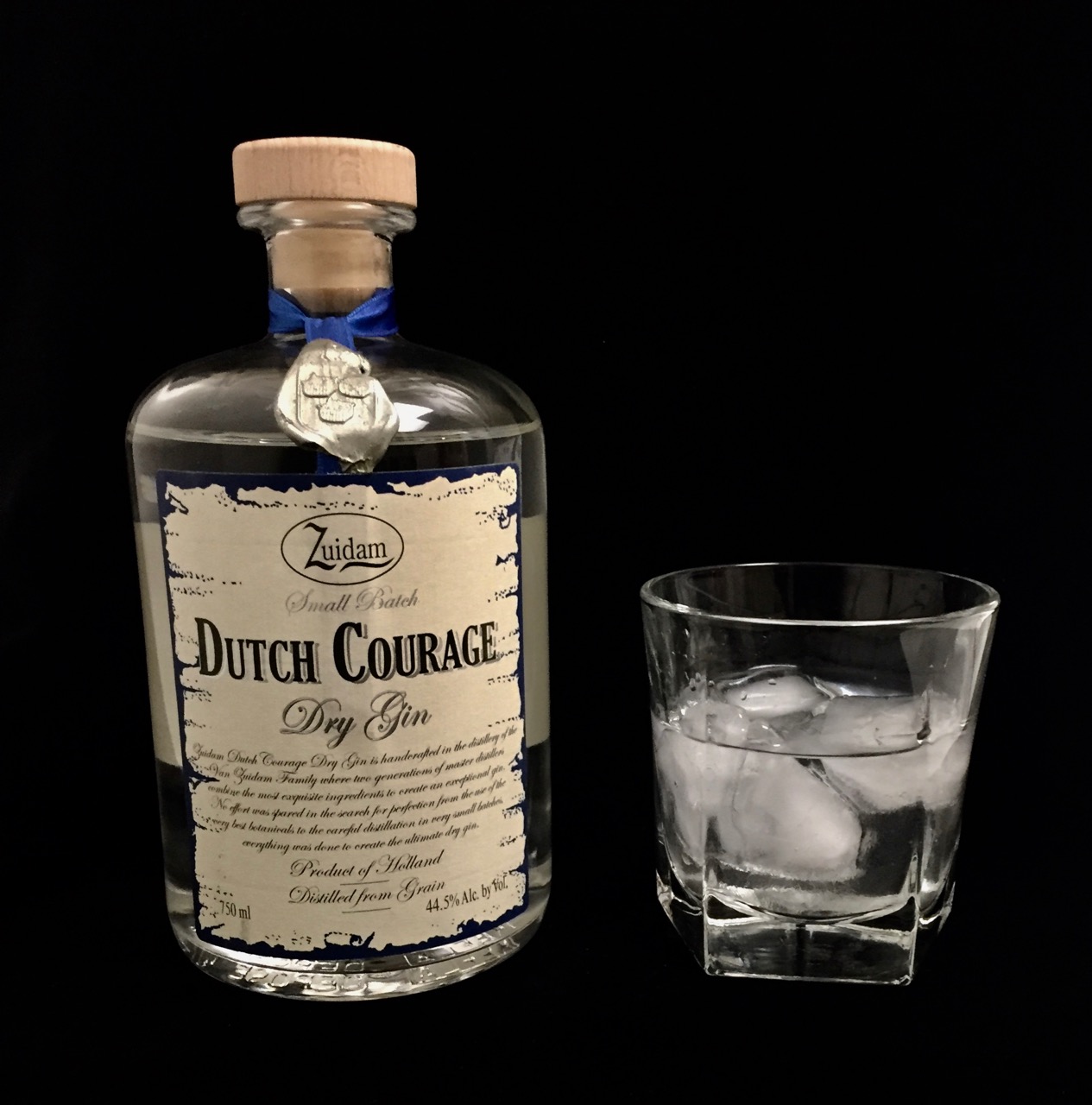
From the bartender’s corner – Gin #3: Dutch Courage

There is a very interesting story behind the name. First of all “Dutch courage” is an English phrase which means “strength or confidence gained from drinking alcohol”. The story goes that the during the Thirty Years War (early half of the seventeenth century) – one of the most devastating wars in Europe – the English soldiers were impressed by the bravery-inducing effects (both by warming the bodies in cold weather and numbing the nerves) of genever (predecessor of gin) on Dutch soldiers and gave the drink the name “Dutch Courage”.

Dutch Courage Gin (which is not genever or Old Tom style but the traditional London dry style) was started by Fred Van Zuidam more than 40 years back near Baarle-Hertog which is on the south side of Netherlands – very close to the border of Belgium. In fact, very close to the Flanders area which is acknowledged to be the birthplace of gin.

One of the coolest facts about Zuidam’s distillery is that his is the only distillery in the world that still uses windmills to mill the grains!! The grain of choice is barley. Unlike most London Dry gins – however, like many other gins from the Netherlands, this gin too is barrel aged. And because of that, to me at least, it was closer to an Old Tom than a modern gin.

The botanicals include the staple components – juniper (interestingly, from Italy), coriander and angelica. On top of that, it has orange, lemon, licorice root, cardamom pods, vanilla and iris root. The nose is anything but simple – due to the barrel aging and the botanicals and the flavor is distinctly citrusy. The juniper comes thru much later. The finish is a little bittersweet.

I tried on the rocks and with Indian Tonic water. The latter was more enjoyable.

31 January 2017

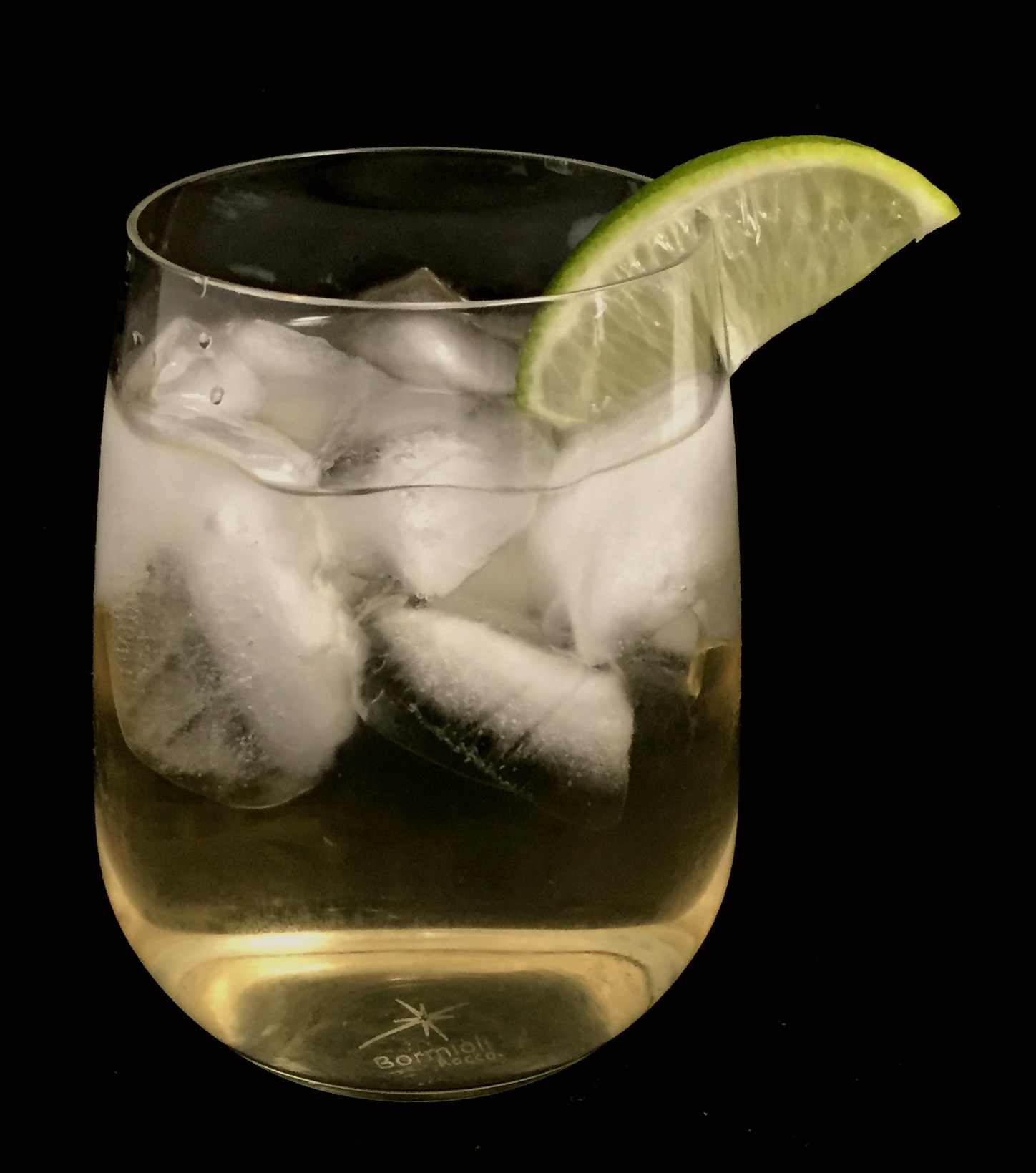
From the bartender’s corner – Malfy Gin and Ginger

This would be the end of my experimentation with the Malfy Gin from Italy. I was wondering how ginger would go with the lemon in the gin. While researching if anybody had tried this before, I came across an interesting blog by a husband (Andrew Purcell) and wife team (Carrie Purcell) from New York City – “Pictures and Pancakes”. (http://picturesandpancakes.blogspot.com/). He is the photographer and she is the food stylist. This gin and ginger cocktail here is adapted from their creation.

2 oz of Malfy, 1 oz of ginger liqueur and topped up with ginger ale.

Both Sharmila and I really liked how it came thru.

29 January 2017

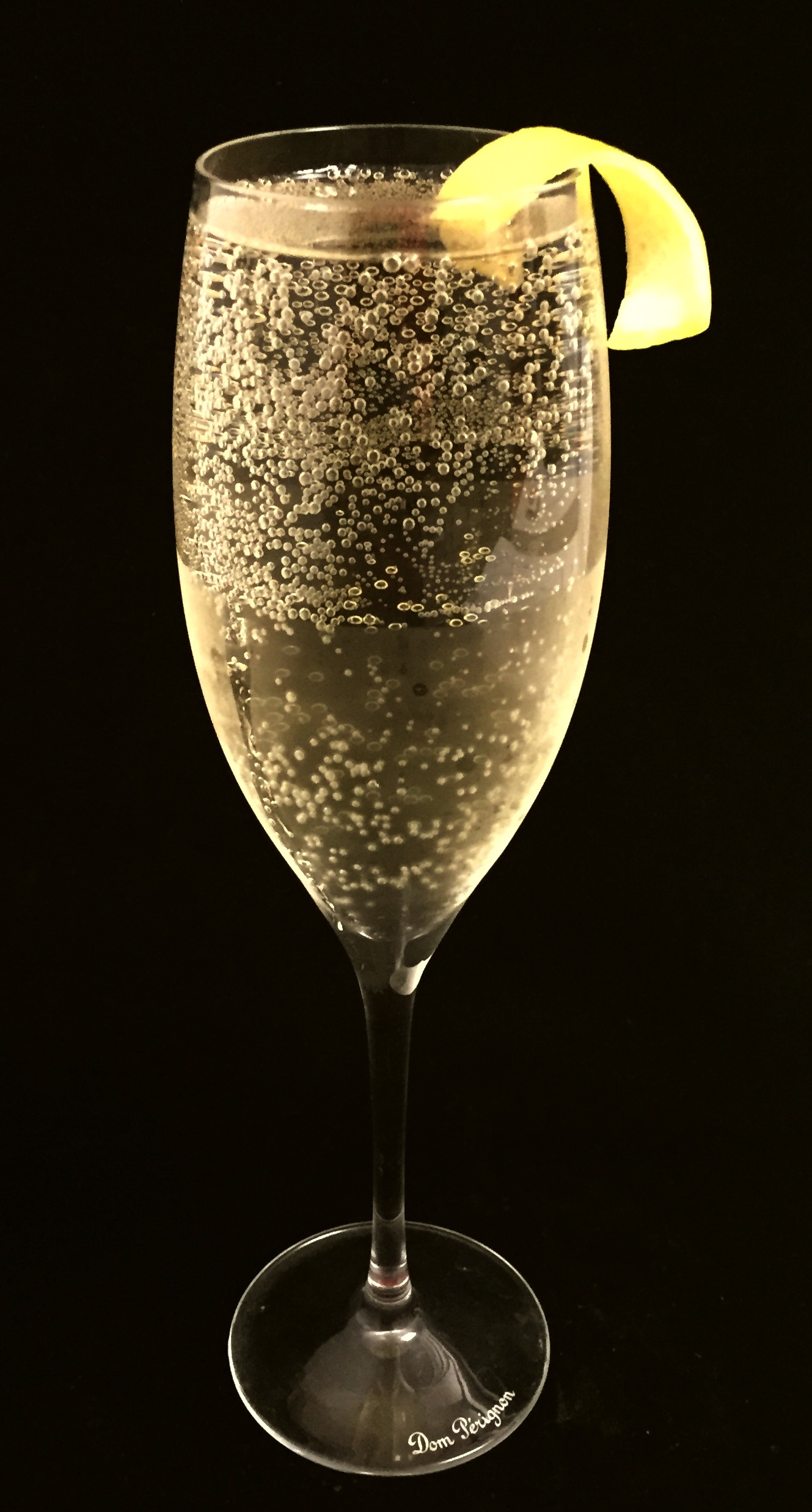
From the bartender’s corner – French 75 with Malfy Gin

This drink usually has London Dry gin, sugar, lemon juice and champagne. However since Malfy Gin is overwhelming with lemon nose and flavor, I skipped the lemon juice. The make it an all Italian affair, I even went with a champagne from Italy (Martini and Rossi). Here is the irony though – the name of the drink is French 75!!! To do some justice to the “French” part of the name, I served it in a Dom Perignon flute.

The nose id predominantly lemon (the lemon peel garnish accentuates that). The juniper and botanicals come thru very late and the flavor of lemon is quite subdued by the champagne and the syrup. Very enjoyable drink.

27 January 2017

This will surely surprise you!

While studying up about gin, I started researching the consumption patterns in the world. The first thing I wanted to know is which is the country that consumes the most gin in a year per capita (per person). The research led me to a country that I would not have guessed even if my life depended on it. That made me curious about other alcohols and then subsequently, non-alcoholic drinks. The answers will blow your mind. Try this for yourself. (The year signifies which year research data I could get to in the internet).

First, without Googling, take a shot. And then see how close were you. For the answers, just click the following link that will take you to the answers. http://www.rajibroy.com/?p=12555. Also, if you find statistics from later years, please send them my way…

Which country drinks annually, on a per person basis, the following:

a. Gin (2012)
b. Beer (2014)
c. Rum (2012)
d. Whiskey (2012)
e. Vodka (2012)
f. Wine (2015)
g. Tequila (2012)
h. Milk (2014)
i. Tea (2014)
j. Coffee (2014)

27 January 2017

Answers to the previous quiz

a. Gin : Phillipines!!! (Say what???)
b. Beer : Czech Republic
c. Rum : India!!!!!!
d. Whiskey: France (what?????)
e. Vodka: Russia (ok, this I get)
f. Wine: Vatican City (this also, I can understand)
g. Tequila: US (not Mexico!!!)
h. Milk: Finland
i. Tea: Turkey (very surprised it is not China)
j. Coffee: Finland (most years) / Netherlands (2020)

Category: Puzzles | LEAVE A COMMENT
22 January 2017

From the bartender’s corner – Malfy Anise

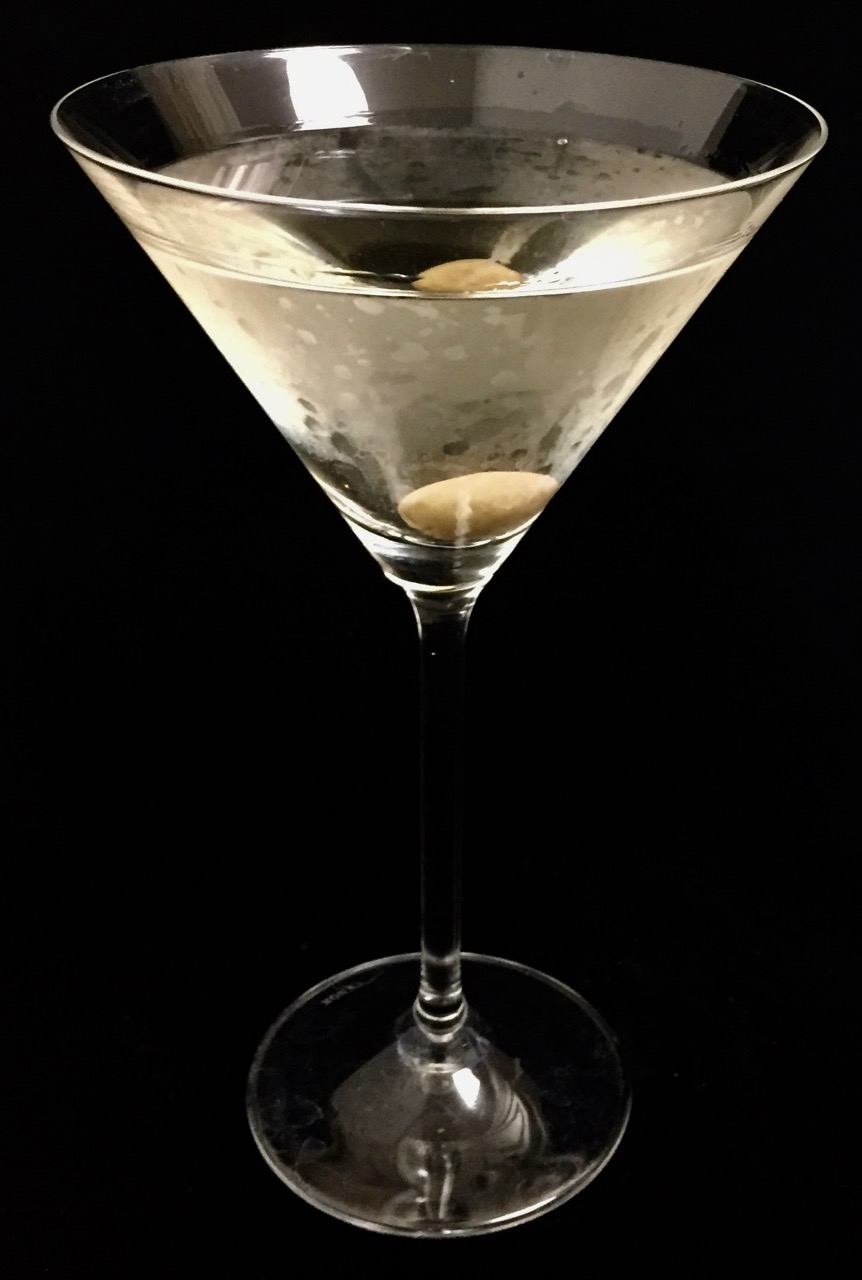
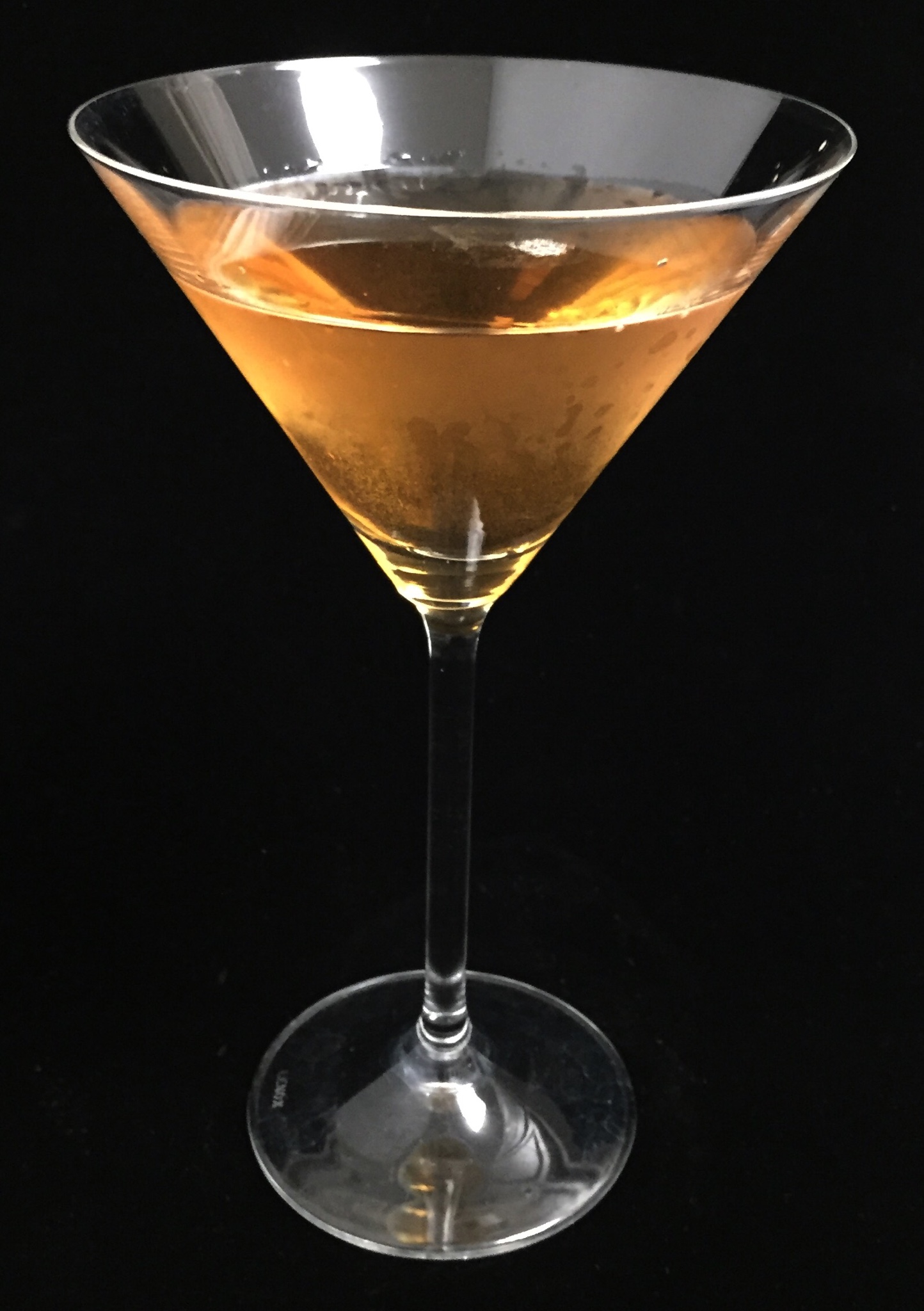
Was thinking of what might be a good cocktail to make with the Malfy gin. Went with a variation of gin anise drink. 2 and a half ounce of Malfy with half an ounce of sweet vermouth and half an ounce of anisette liqueur. Shaken with crushed ice and then poured in a cocktail glass.

The aniseed smell dueled mightily with the lemon. For the initial few sips, the aniseed prevailed and after rolling it in the mouth a couple of times, the others – including the lemon and orange peels started to make their presence felt.

The finish was long and predictably with both the aniseed and lemon making a pronounced effect.

Next time, I might try with a tad less aniseed and see how the lemon performs if it is a given a little more chance.

21 January 2017

From the bartender’s corner – Gin #2: Malfy Gin

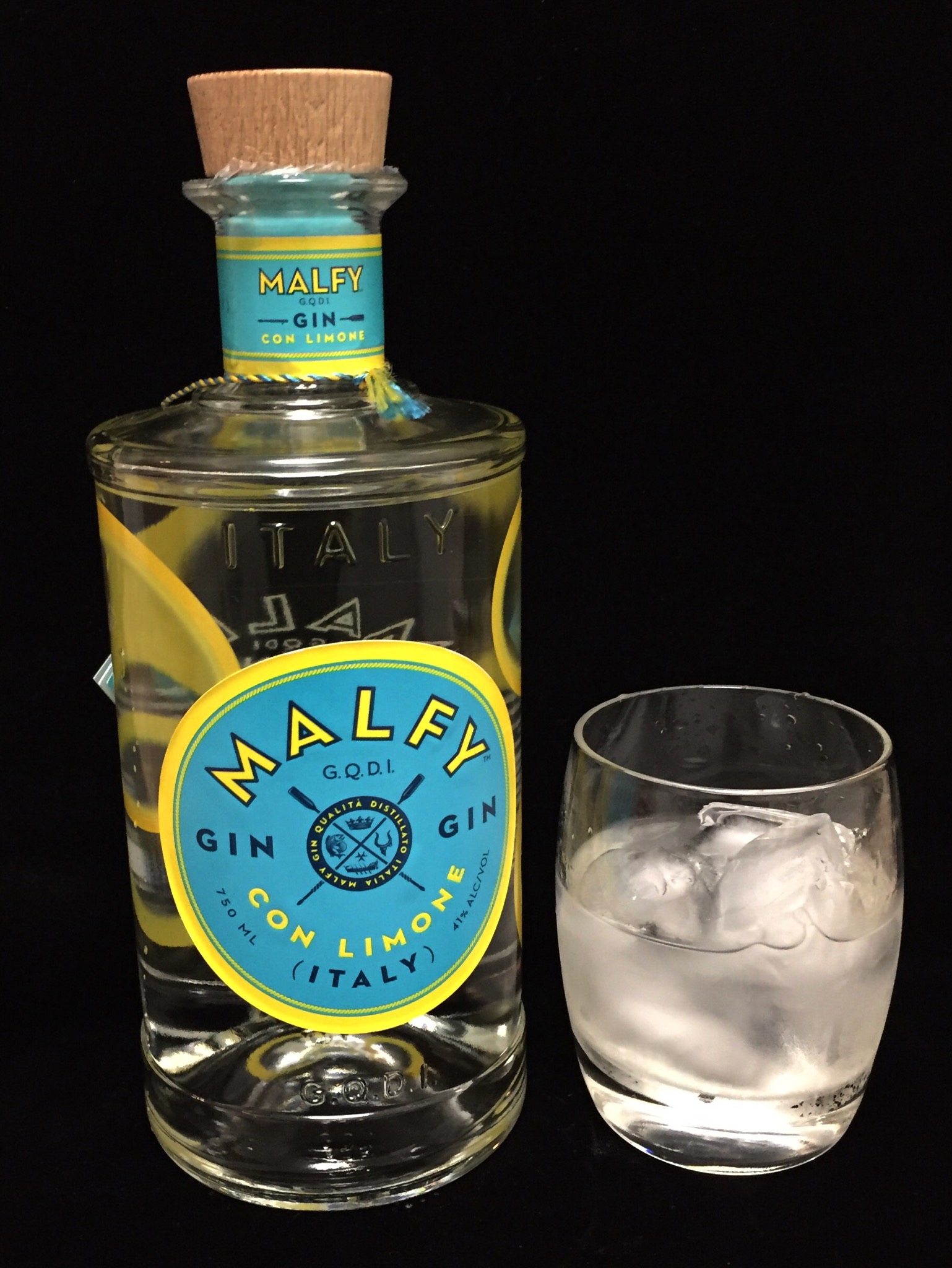
This is an interesting gin in the sense it is very strong in lemon content. I believe these category of gins are called “citrus forward” gins. This is an Italian gin made near the Turin area. The area is famous for its beaches (Amalfi beach is next door) on the Mediterranean Sea, some of the best quality lemons (that goes to make the famous Italian limoncello) and a long history of distilleries (good output of wheat in the vicinity).

About a quarter century back, Veragnano and his family bought out a distillery (from Seagram) that had existed from the turn of the twentieth century and started focusing on small batch gins. They still run the place themselves.

This gin has an interesting design for the bottle. The family claims that the blue color symbolizes the beautiful Mediterranean Sea and the yellow color is for the zesty lemons nearby. The glass is of course, the famous Italian glass and I understand the cork is made from local oak.

While a lot is made of the Amalfi area lemons – and they do use the peels of local lemons, in reality it is only about one in five lemons that are local. The rest are brought from Sicily. Other than the lemons, the botanicals added includes local juniper, coriander, licorice, grapefruit peels and orange peels.

The nose clearly hits you with strong lemon aroma and so does the palate. But soon, you can get the undertones of the grapefruit and orange peels. The finish is strong and towards the end you start to realize the juniper.

While this can be taken on the rocks or neat, I would suggest at least some tonic water or sweet vermouth. Certainly would be great for cocktails.

21 January 2017

Have you ever tried explaining a matrimonial website to your mom?

If so, I might need some tips from you.

It was my usual daily morning call to my mom. After the usual checklist of complaints – you know it is getting too cold or too hot or too rainy in Kalyani and the granddaughter is simply not sitting down to study and dad is not listening to her and so on and I doing my part of morally supporting her with “tai to”, “tai to”, (“of, course”, “of course), she suddenly perked up.

Turns out she had called her elder sister today and the discussion led to her sister mentioning that her son (my cousin) and daughter-in-law are now looking to get their daughter (her granddaughter) married off and are using the “net” to find a groom. “Net” is what everybody in India calls the Internet.

My mom straightaway asked her “Net-e ki korey chhele khunjbey?” (How can you look for a groom on the internet). Her sister was mightily relieved at that question. Understandably, she said, “Tui-o jaanis na? Aami to bhoy-e jiggesh korchhi na kaukey!”. So, she had a nary a clue either but she was too afraid to go around asking her folks how were they planning to catch a groom on the net. I am sure she had figured out that you do not go around with a big fishing net and cast it at the first eligible bachelor / bachelorette you see. There must be something more it than that in the “net”.

According to my mom they had a thirty minute discussion on this. Now, I have to explain to you that my parents and that generation was used to putting newspaper ads in the matrimonial columns to find grooms or brides. And those newspapers usually charged by the “centimeter” (length of the ad since the width was constant). You have to be a Bengali mom of a suitable age boy or girl to understand the sheer cruelty of forcing a proud mom to discuss her kid within a centimeter. That is like asking me to tweet my Facebook posts in 140 characters or less.

Now, Bengali moms might be proud. But they are very smart too. So, they have code words for these kind of situations. Much to the dismay of the revenue generation department of the newspapers, no doubt! Your daughter is not exactly fair skinned? (This is somehow a big thing in India). But, she got first division in Higher Secondary? (This is your high school exam). No problem. 5 single letters – each with deep exhaling “bisorgo” sign after it will do it. In English, it would read something like Ooh! Shya! Ha! Se! Fa!

There! Easy does it. Now you can use the rest of your centimeter in focusing on more important aspects of Bengali matrimonial happiness like “Cooking Hilsa Fish with Sorshey bnata a must” or something like that. When it comes to need for skills in cooking fish, a centimeter does not even come within a mile of hitting the sweet spot.

With that as the background, we had these two septuagenarians trying to figure out what a matrimonial website is on the “net”. I have no doubt that in their mind, the prospective bride and groom sits in front of the computer whole day long. With the modem switched on, mind you. Else how would people find them on the net? Somewhere the original DARPAnet guys turned in their graves this morning.

Finally, she said “porer baar esey eta amader bhalo korey bojhabi to”. I admire her willingness to learn new things but I expect it to be a rather not-so-smooth process. I can picture myself sitting with my aunt and mom and starting to explain the much-feared-net in a true soccer coach “from the deep defense” style. “See, this is a keyboard. And this a mouse”. I can almost visualize my aunt shrieking “Eendur? Kothay?”. And on that note of miscommunication on what a mouse is, she would stop laughing and say “Dnara. Ektu cha baaniye aani”. (she will run off to make one more round of tea). Pretty much that is where we will conclude our first lesson. I am sure the final lesson will be around the time when my cousin would be expecting their first child.

I can’t wait to go back to India 🙂