21 January
2018
17 January
2018
From the bartender’s corner: Gin #29 – Ungava
I had seen this gin first at the duty free shop in Aruba airport. It said it was from Canada. I was not sure how a Canadian gin would be like – so never picked it up. Came home and studied it up. And boy, did I regret it! Turns out this is a very unique gin. Made from very unique botanicals and herbs from north of Canada (North of Canada? Isn’t the whole country in the north?), it had great reviews and some fantastic feedback.
I looked for the usual places in Atlanta for this, unsuccessfully. Found one store in DC that could send a bottle to me but the delivery would cost me twice the price of the bottle. Filed that away under the “When I am in DC next, need to pick up a bottle” section of my mind.
The other day, I swung by a liquor store in Cumming after finishing my hospice time. I think I was there to pick up some wine to gift at a party that evening. As is my wont, I strolled over the gin section to see if there was anything interesting. I expected nothing. Guess what? There was a bottle of Ungava!
I think I forgot to buy the wine in the excitement but I certainly got a bottle of Ungava.
Opened it up last night.
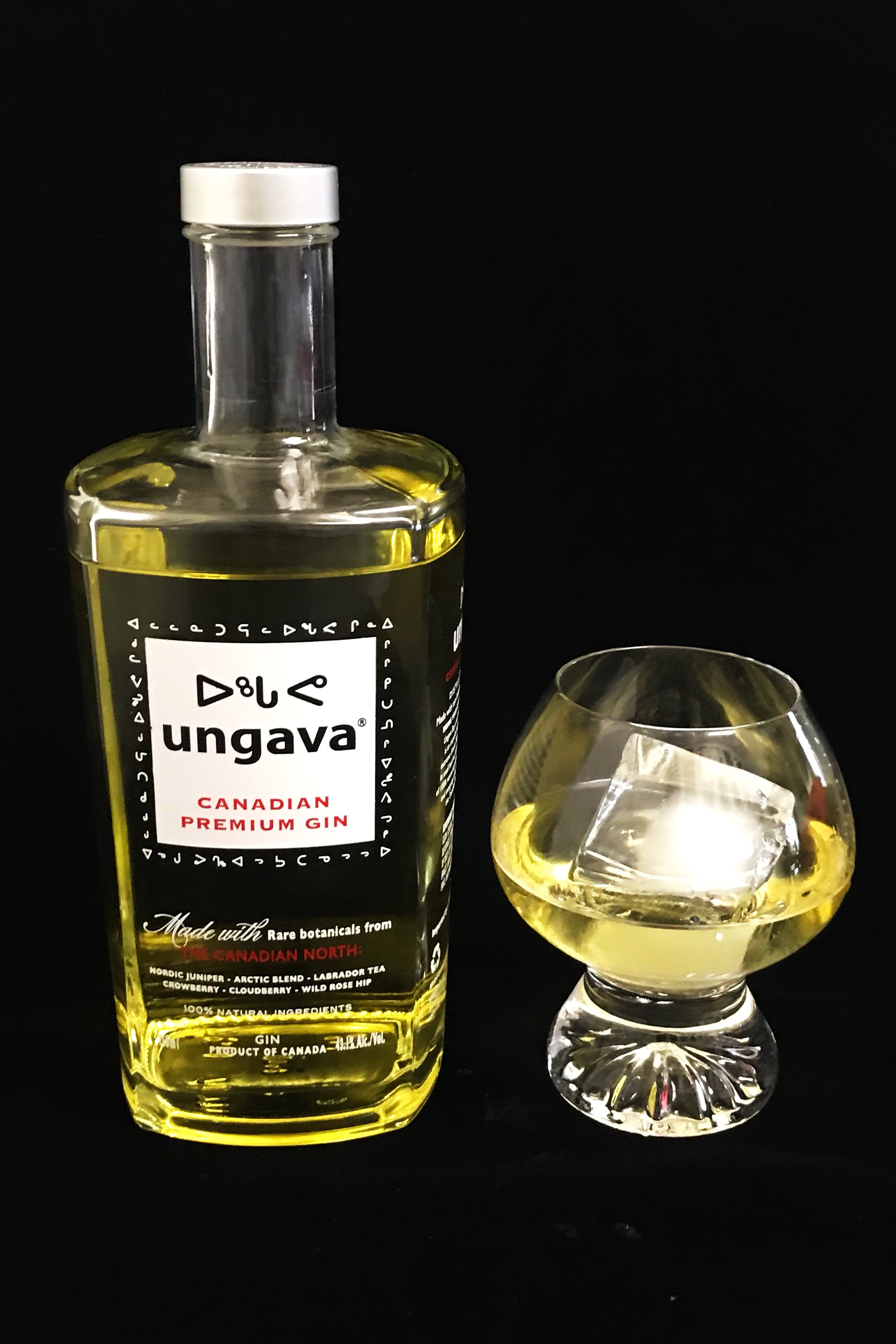
First, the gin is made in northern part of Quebec. In that frigid environment, on the banks of the Ungava bay you get some unique botanicals. Six of theme are used in Ungava – Wild Rose Hips, Crowberry, Labrador Tea, Cloudberry, Arctic Blend and of course the mandatory Juniper is Nordic Juniper. Frankly, other than the Rose Hips (which is the fruit in a rose plant), I do not think I had ever heard of the rest.
Now the process is somewhat unique. The base alcohol is derived from local corn. Then the six botanicals are used in the distillation process like every other gin. The twist is that these botanicals are again used to do an infusion (like you get infused vodkas, for example). Among other things, this infusion gives it the unique yellow color.
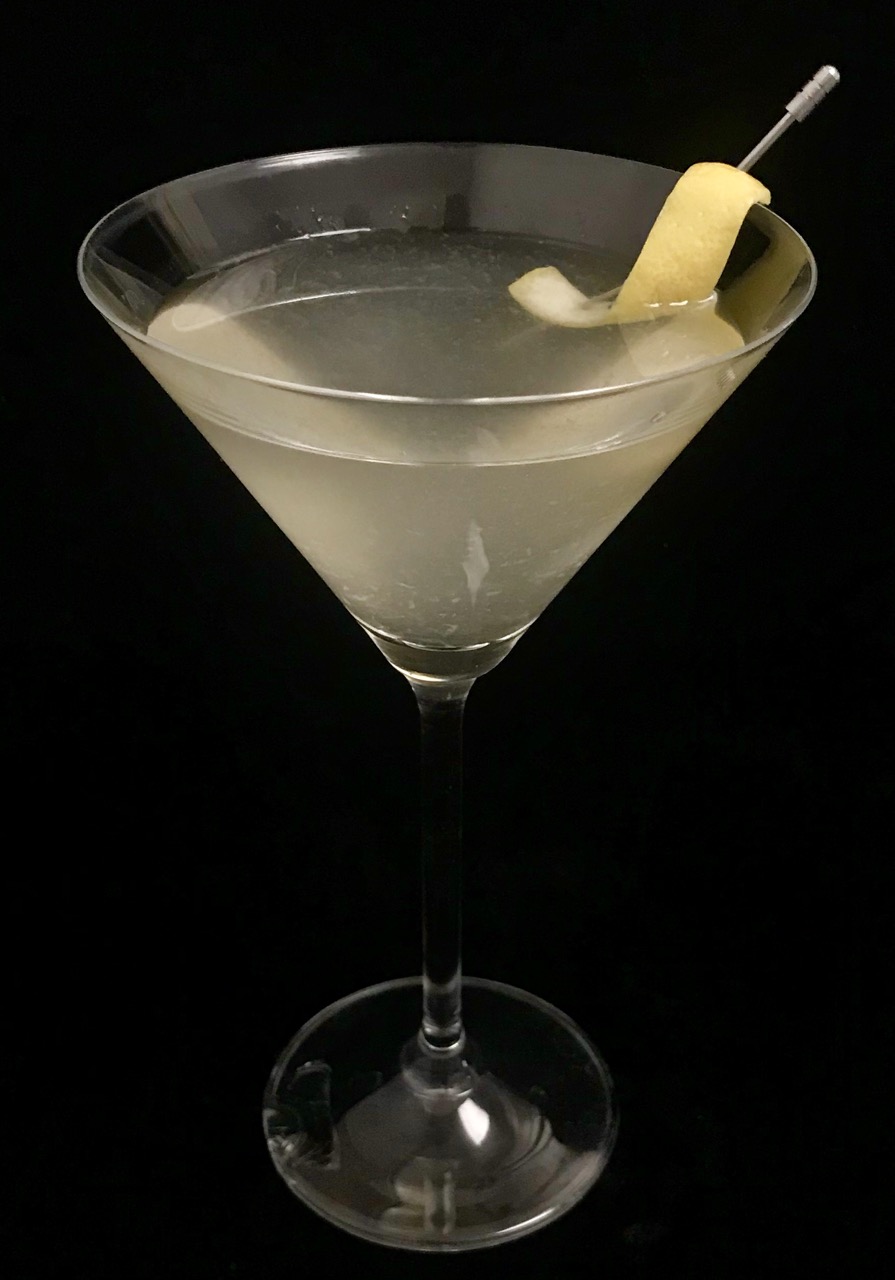
The nose is very juniper-y and if you give it a few more seconds, you start getting the citrus in the drink. The palate is very complex. To be sure, not knowing most of the herbs, I could not identify much other than there was the juniper and the citrus. There was a hint of floral taste too.
The finish was not as prolonged as I expect from gins and was again a very juniper-y finish.
11 January
2018
“Pen, pen, pen… Pilot pen”…
I have completely lost the moral platform to lecture the girls on all the shopping of clothes they have been doing this trip. I had found out about this place in Kolkata – “Pen Hospital” a few months back. Almost a hundred years old, it is a very small shop in a very crowded Esplanade corner in Kolkata. The owner specializes in fixing fountain pens and has a stack of vintage and new fountain pens. Both used and new.
After dad and mom went off to sleep, I managed to convince my brother to hit the road again and go back to Kolkata to check out the shop. An insane amount of traffic later, I finally hit pay dirt when I found the shop. It is not often that I come across somebody who really knows a thing or two about old fountain pens and their history.
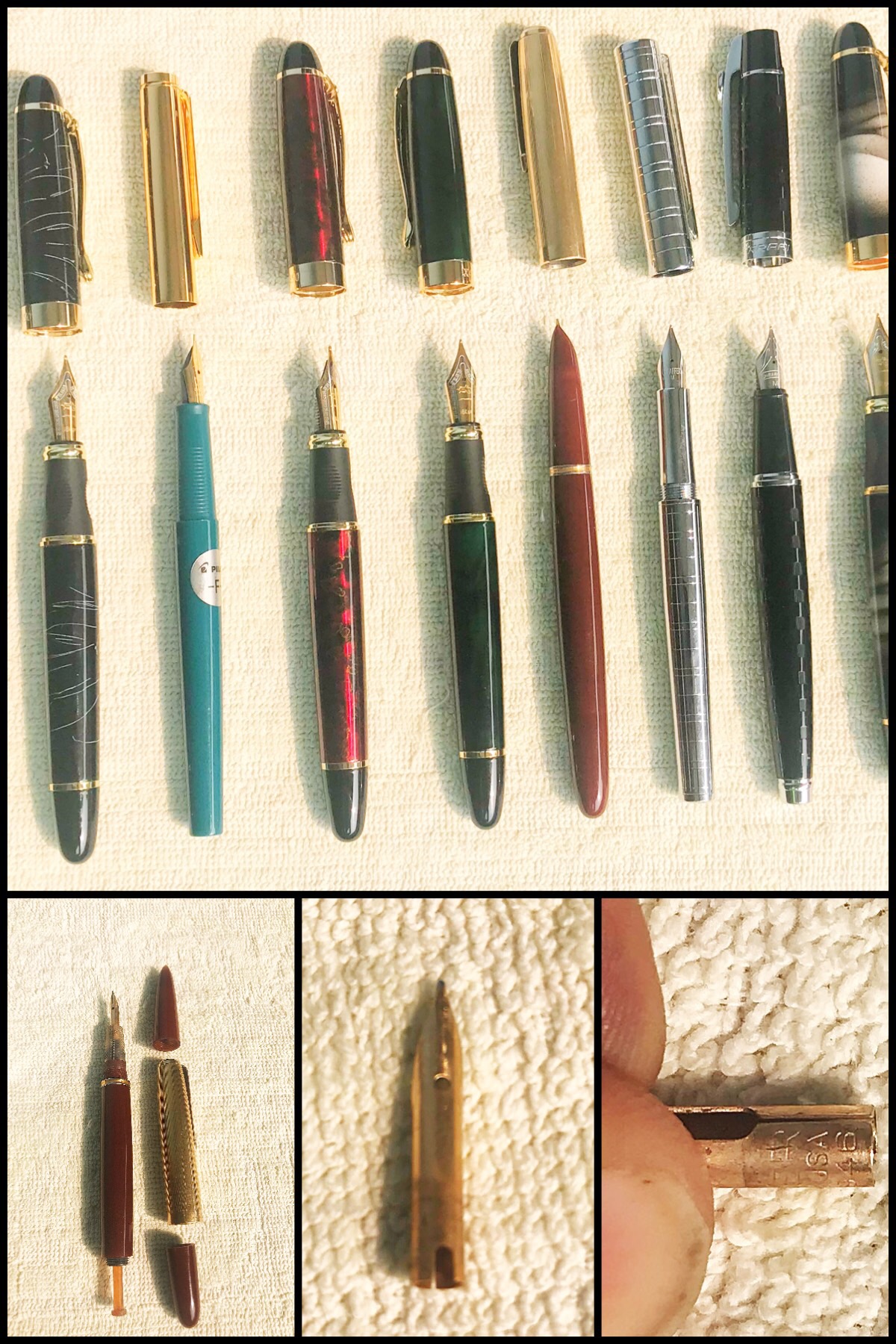
Picked up a few pens – which are incredibly inexpensive by US standards. The crowning glory was the Pilot 51 (mistakenly called Pilot – should have been called Parker). A few days back, when my father in law and I had gone to the other pen shop, he had mentioned about the Pilot 51 pen. That was an iconic pen in his days. It was somewhat of a folklore when we were growing up. In fact many Bengalis might even remember our old rhyme “Pen, Pen, Pen / Pilot Pen / Siri thekey nemey elen / Suchitra Sen”!!!
My mom used to have one of the non-classical versions of Pilot pens that her teacher colleagues had gifted her in 1972.
The Pilot 51 is an all time classic. One of the few pens with vacuum system for filling ink, it has a very unique nib too. It is a pity that these pens used to be made in USA and I cannot find them in USA any more!! The best part of the pen that I got? The nib is an original 1946 vintage!!!
5 January
2018
Costliest coffee in the world?
We went to a agrobusiness coffee plantation in Bali (Batubulan village) that advertised Luwak coffee. We saw quite a few plantations like this. I had no idea what Luwak coffee is or why it is so costly. At the end of the tour we had a little of the coffee too.
What I did not know is how the coffee is made. I remember seeing the whole coffee production process in a coffee plantation in Costa Rica once but this is rather unique. And gross.
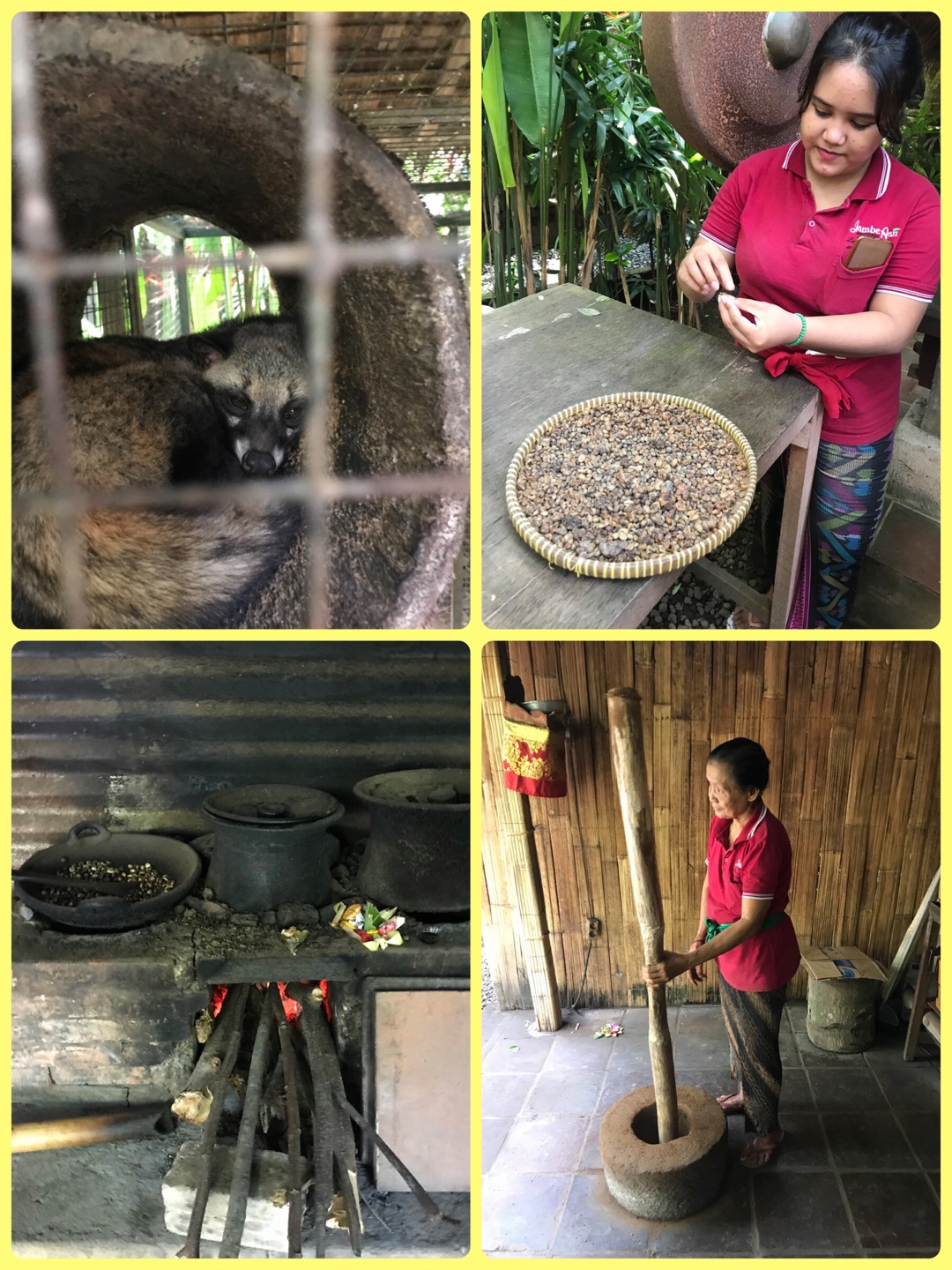
First a cat like animal – called civet – Indonesians call it a “luwak” (see the picture – the farm had quite a few of them) actually eats the coffee cherries from the trees. Inside the stomach, the cherry goes thru the digestion process. The fermentation dissolves the outer layer but the beans themselves (there are two beans in a pod) cannot be digested by the cat’s digestive system. So, next day, it poops the beans out (this is the gross part). You can see dry poop in the picture.
The poop is then collected and cleaned and the beans recovered. The shells are broken and then roasted in an open oven as shown in the picture. Finally, the beans are ground to powder like the lady was doing.
After packaging, it is then sold at prices that reach 20X-40X more than normal coffee!!
5 January
2018
Sometimes, I wish I stuck to my core competencies…
One of the things I have made a habit out of after landing in a new country is learn the basics in the local language – you know – “Hello”, “Thank You”, “How are you” etc. If I am there for more than a day, I usually grab a local and learn a little more – like one thru ten, education system, political system and all that.
Bali is a place you always negotiate and haggle. And I like it. This is one of those “predictably irrational” things. I absolute delight in saving 30 cents in a haggle (the full price would be a dollar) but am too lazy to walk out of the hotel for half a kilometer and get my wine for five dollars less. Go figure.
In any case, after one of those temple visits today, the girls decided to buy some local sarongs. Once they had chosen what they wanted, they went away to sit under a tree as I commenced my bargaining.
The problem with my bargaining was that I was trying to beard the lion in its own den. So, I started with my knowledge in Indonesian numerals that I had just learnt the previous day – mpat.. noll.. noll… I started. For the Indonesiany-challenged, let me tell you – a problem with Indonesian currency is that everything is in thousands and millions. The lowest denomination in one thousand. No idea why. But basically, I was “nolling” all the time. (noll being a zero).
The lady was trying her best in her language. Which I did not know. But I knew the numbers. So, I even threatened to go down… “triga, lima, noll, noll…..”.
After a couple of minutes of exasperation, she gave up. Gave me a straight, stern look and said “Four dollars, sir?”.
I was stunned. I was not sure how to react once she had taken the fight to my home turf. Four dollars? Sure? By the way, that was for three sarongs.
The deal was done.
I was very satisfied.
…
Till now.
I have my calculator with me in my hand. Looks like I paid her more than what she had asked me to begin with!!
Arrgh!!
🙂 🙂
2 January
2018
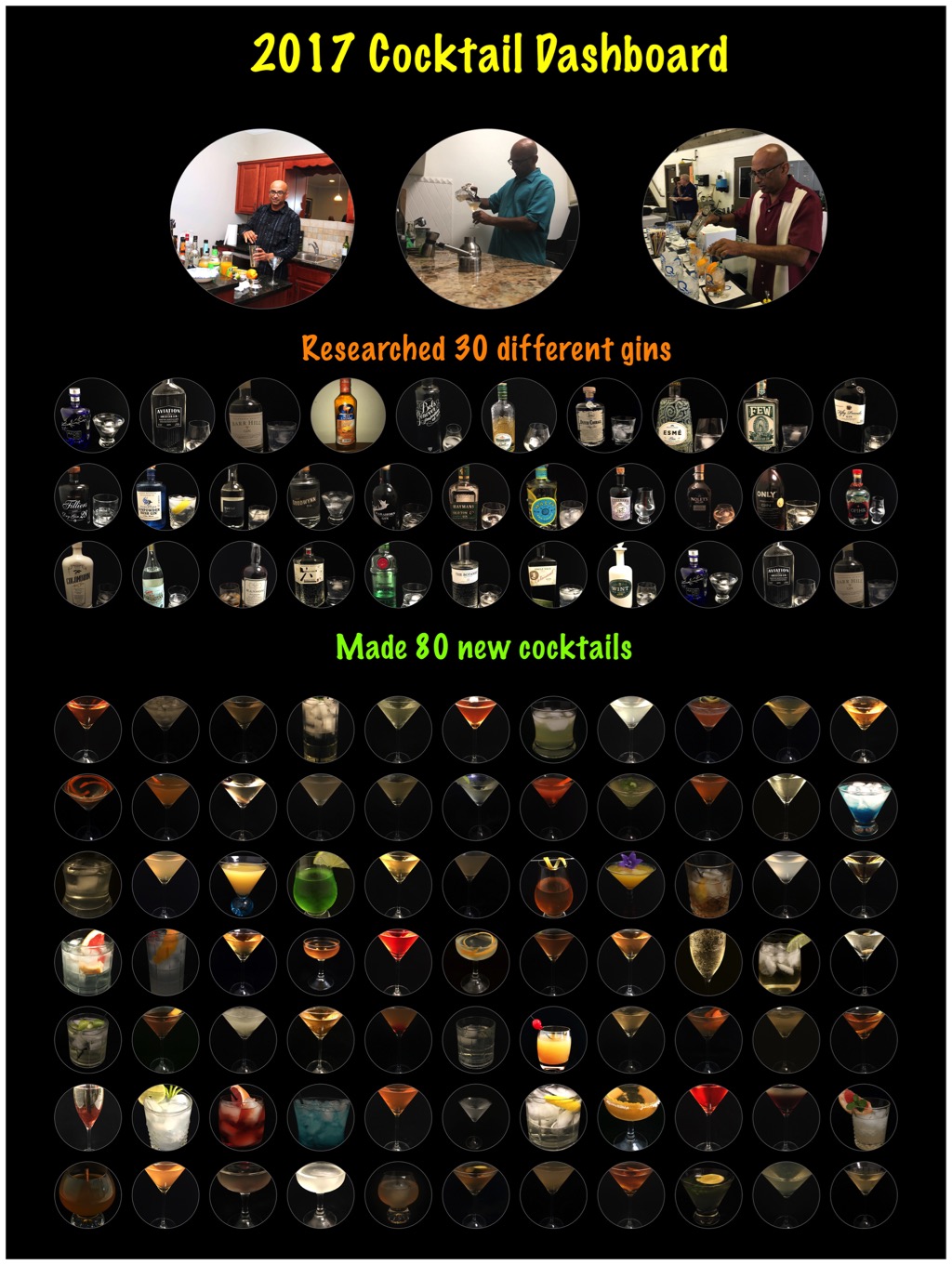
2017 Reflections – Mixology
1 January
2018
Non sequitur?
1 January
2018
Fountain Pens from Kolkata!!
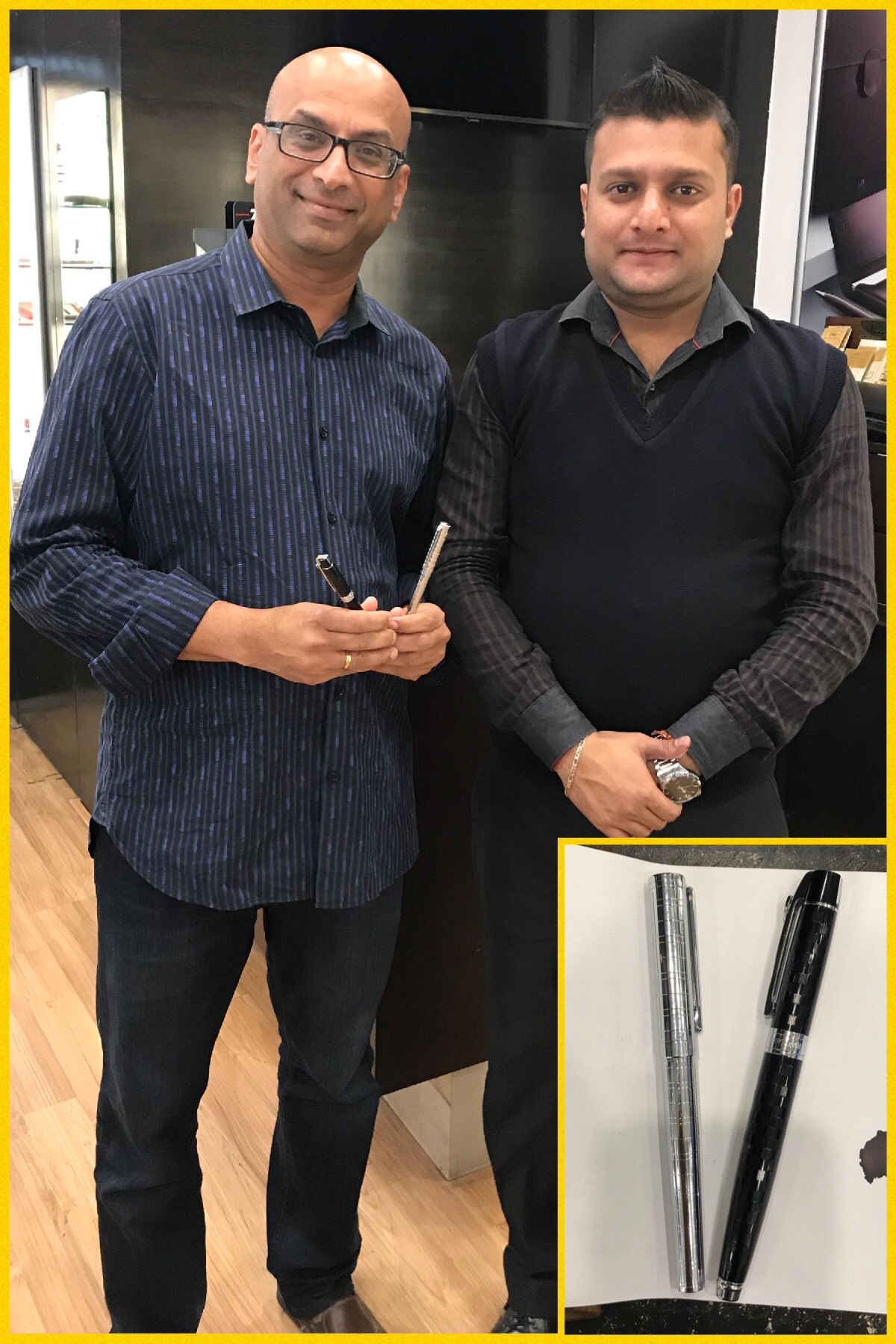
Managed to escape from family for a couple of hours in Kolkata and check out some pen shops. This is the city where I had grown my passion for fountain pens and colorful inks (started with two Wingsung Hero pens I had bought in Garia). I brought my father in law too. I did not have time to go to the “Pen Hospital” where one can pick up some really old time classics. Instead settled for a couple of Sheaffers including a Ferrari 300 series from William Penn. I even got the pen shop owner – Jeet – to take a picture with me to celebrate his first sale of the year!
Roger, I can’t wait to show you the pens!!
31 December
2017
Hilarious moment with my mother in law…
Here I am sitting at the breakfast table early in the morning trying to get a few of the blogposts away. Sharmila and the kids are sleeping. The in-laws are awake. I just finished serving the first cup of tea and sat down with them…
My mother in law, who has been keenly observing my laptop that I was using to post my blogs suddenly asked…
“Apple-er eto naam aachhey to apple-ta ordhek khaoa keno?
Oboshyo ordhek noy – ekta kamor deoa”
Basically, after watching the logo of Apple, she wants to know if Apple is such a big company, why is their logo half eaten?
🙂
31 December
2017