23 August 2018

This week Thursday puzzle

Bill Hubbard, what can I say – 3 different airlines, 6 flights, 4 different cities this week. You know who to blame for one more puzzle 🙂

Anybody who works out the answer, feel free to post the answer only in the Comment section. Send your logic as a personal message to me. Do not write your logic in the Comments section.

Now to the puzzle.

In a Polynesian island, girls are highly preferred as a child. This has led to a strange practice over the years among couples who are trying to have a baby. If they have a baby boy, they keep trying to have another baby in the hope that it will be a girl. If it is a baby girl though, they stop having any more babies. Of course, given any birth, the probability of having a baby boy or baby girl is half and half. So, they keep having more babies as long as they are all boys and stop moment they have a girl

As a result, there are couples who have one girl, couples who have one boy and one girl, couples who have two boys and one girl, couples who have three boys and one girl (and the girl is always the last baby they have) but no couple with two girls (or more).

Here is the question: Over a longer period of time, what is the likely ratio of boys and girls in the island?

20 August 2018

One of the more interesting LinkedIn invites…

Check out the invite I got. I thought the role this lady plays – elegant and upscale social events for single Ladies and Gentlemen in Metro Atlanta – was pretty intriguing. I blurred the picture and redacted some of the info to maintain privacy.

But I have noted down the names of the 11 friends that I have who are connected to her. I have a few interesting phone calls to make today 🙂 🙂

Category: Humor | LEAVE A COMMENT
18 August 2018

A weekend puzzle

In a class there were 40 students with roll numbers 1 thru 40. One day, the teacher got them all to sit around in a circle sequentially in the order of their roll numbers (1 thru 40). (Of course 40 sat next to 39 on one side and 1 on the other). She then gave a wand to student number 1. What the student had to do is turn towards the next student (which would be #2) and tag him/her with the wand. Upon tagging, the tagged student steps back and is out of the game and the wand is then handed to the next student – which would be student #3 in this case

Now student #3 does the same thing – tags student #4 who steps back and is out of the game and then the wand is handed to #5.

This keeps going on and on (in circles) till only one student is left.

Can you figure out which student was the last one left?

16 August 2018

Some interesting and uncommon measurement units.

How many of these do you know? Google up the ones you did not know. It is a lot of fun to learn about about the names came about. If you are too lazy, I will post the answers tomorrow…

What do the following measure and how are they defined?

1. Donkey Power
2. Wheaton
3. Helen
4. Garn
5. Hobo Power
6. Mickey
7. Dol
8. Crab
9. Beard-second
10. Barn

Adding a bonus question – What is a New York Second?(remembered that after reading Narayan’s comment about cab rate)

12 August 2018

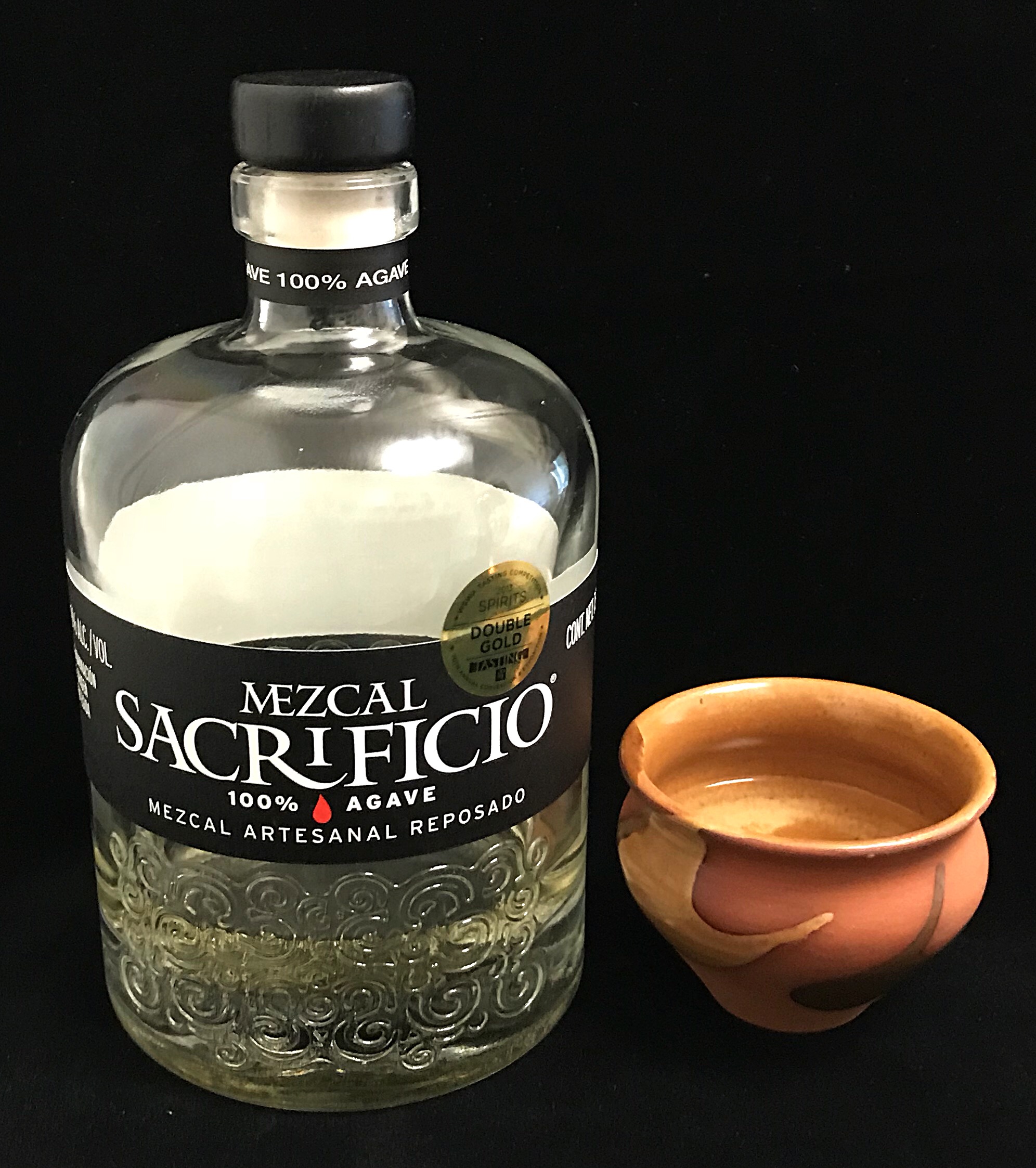
From the bartender’s corner – Mezcal #1: Mezcal Sacrificio (Reposado)

Region: This Mezcal is made in the Oaxaca state (where most of Mezcals in Mexico is made). The specific area where the agave comes from is Tiacolula. Disteleria Sacrificio was started only about 7 years back.

Agave: This is the 100% espadin variety of agave – which is incidentally the most common agave used to make mezcals in Mexico. Usually the agaves are picked once they reach maturity around 8-10 years.

Roasting: The “pinas” of the espadin agave are slashed and then roasted in underground pits. Mesquite wood is lit up and burnt for two days for the pinas to get roasted.

Smashing: The slushy pinas are then smashed using a big rock wheel and a mule that keeps going around in circle.

Distilling: The resulting liquid and some amount of the fiber is then distilled. It is first distilled in steel and then distilled again a second time in copper stills. By law, all mezcals have to be distilled twice. I guess use of steel in distillation explains why they say “Artisanal” in the label.

Ageing: The output at this point of time is what traditional mezcal looks like. This bottle is “reposado” – which means the mezcal was further aged in barrels (about three months) before the mezcalero decides that it is done.

This particular bottle is diluted to 40% (to cater to the US tastes – normally is much higher).

This is my first full bottle of mezcal. So, I am still growing my taste in it. I can certainly say, the earthy nose and finish is unmistakable. There is the smoky accent throughout due to the ageing as well as the burning underground. Not very stiff. Rather smooth finish.