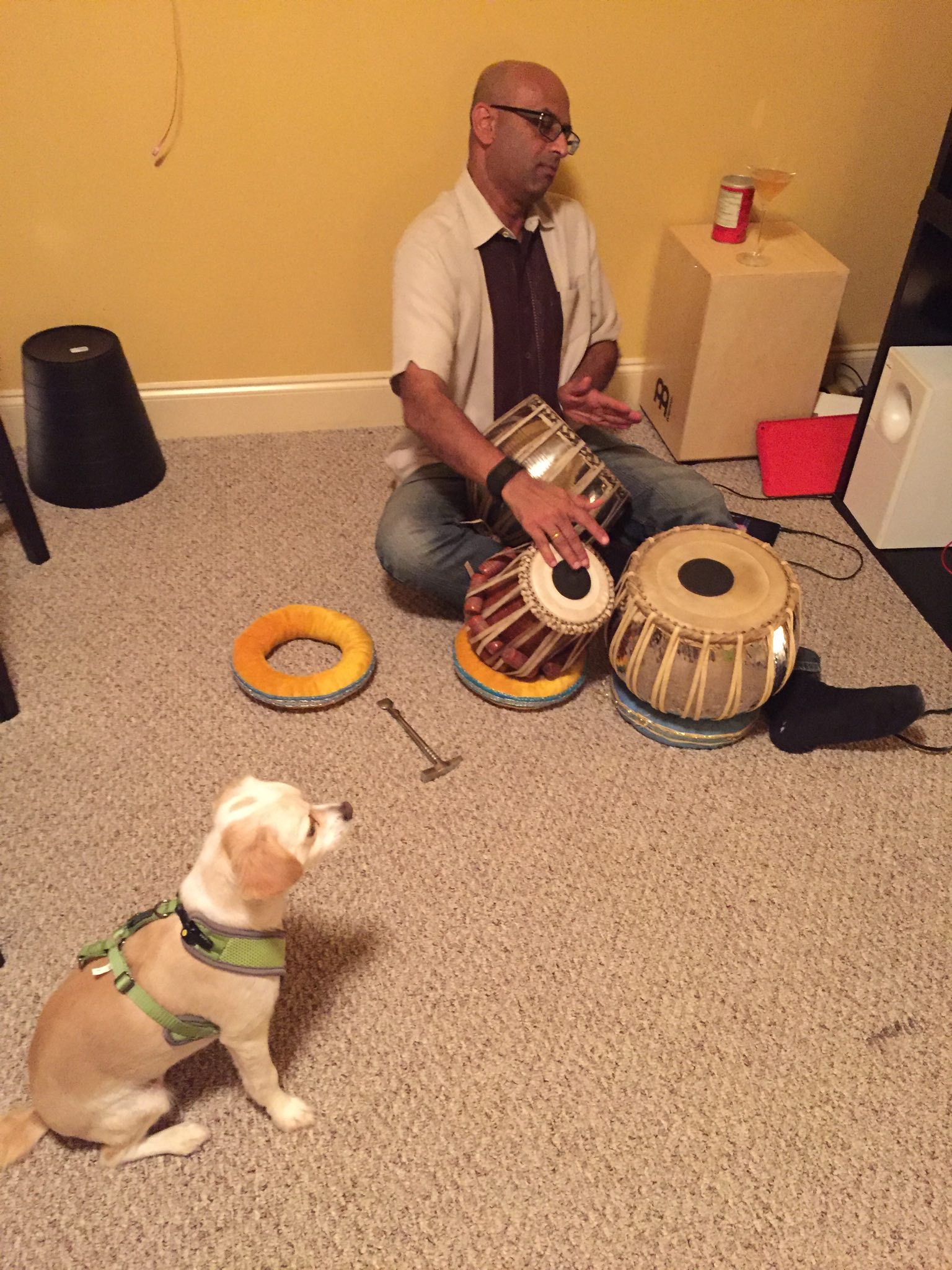
18 February
2017
11 February
2017
That was a long week…
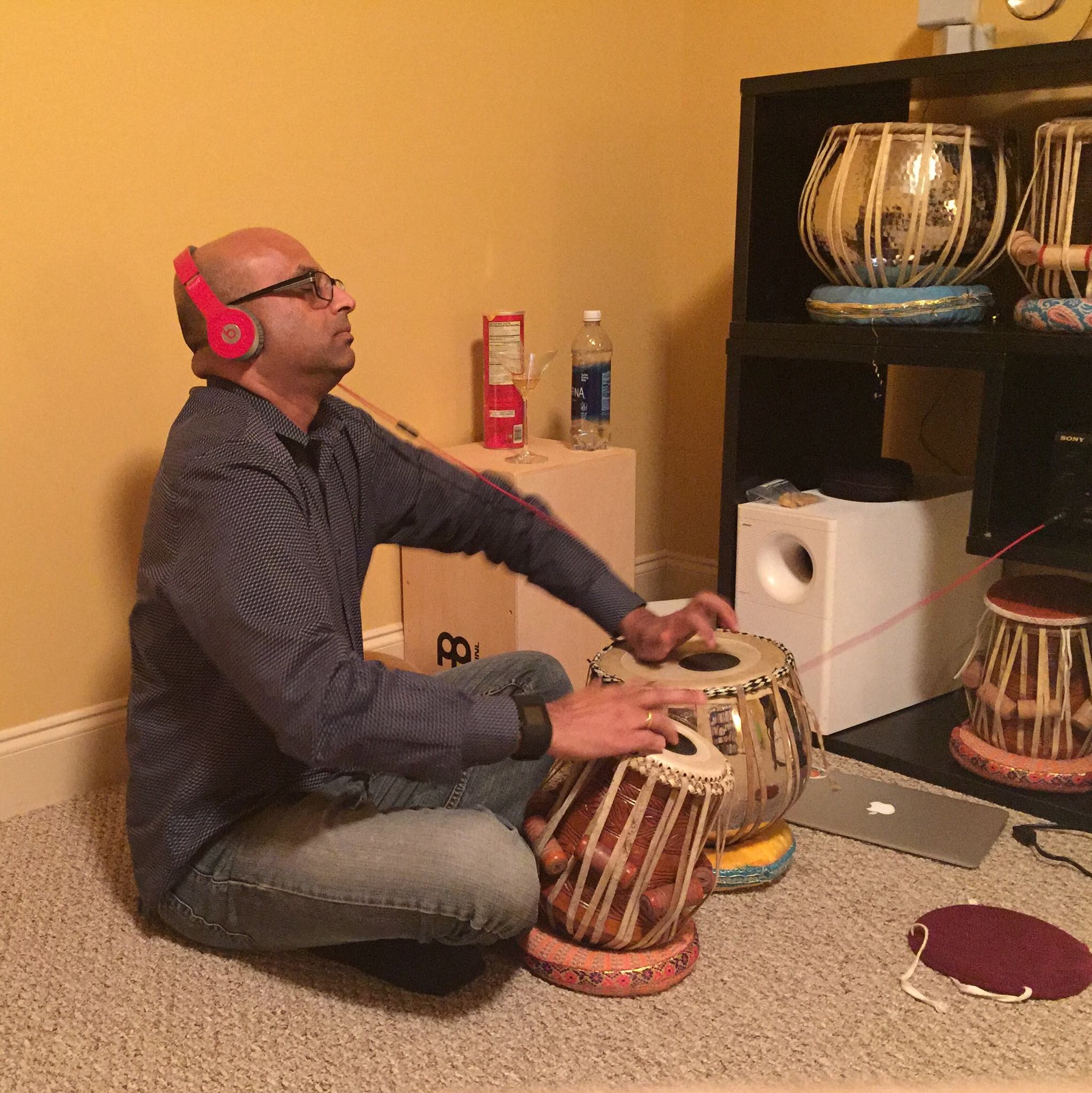
4 February
2017
Qawwali of the evening – “Bhar do Jholi”
The original proponent of this qawwali were the Sabri brothers. Today, I was listening to the version by Amjad Sabri (son of the younger Sabri brothers). The poem was penned by Purnam Allahabadi. Born originally in India in Allahabad as Mohammad Musa, he later migrated to Pakistan after the partition.
“Jholi” refers to the bag that a beggar carries to collect alms.
“Bhar do jholi meri ya Muhammad
Laut kar main na jaaoonga khaali
Tumhaare aastane se zamaana kya naheen paata
Koi bhi dar se khaali maangne waala naheen jaata”
Roughly translated (please feel free to offer better suggestions – this is not my mother tongue)
“Fill my bag, O Muhammad
I will not go back empty-handed
What does the world not receive at your doorstep
No one who comes asking at your door leaves empty-handed”
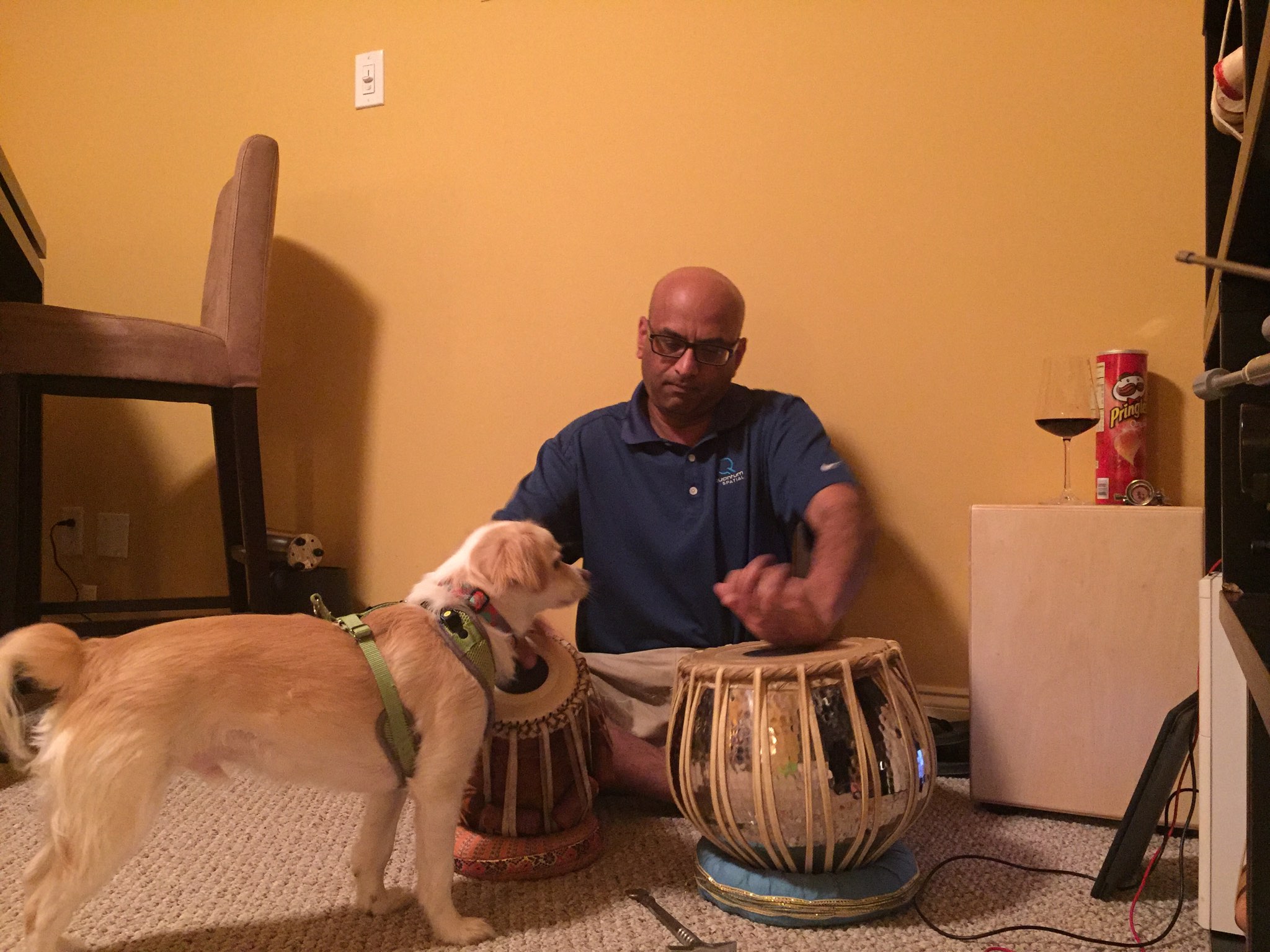
21 January
2017
Friday evening unwinding…
“Kal tum judaa huey the jahaan saath chhod kar
Hum aaj tak khade hain usi dil ke mod par
Hum ko is intazaar ka kuchh to silah miley
Dil ki ye aarzoo thi koi dilruba miley”
Poet: Hasan Kamal
Roughly translated…
Where we got separated yesterday when you left
I am still waiting at the same crossroads of heart
Oh! To get some respite from this long wait
It was my heart’s desire to get my beloved.
11 December
2016
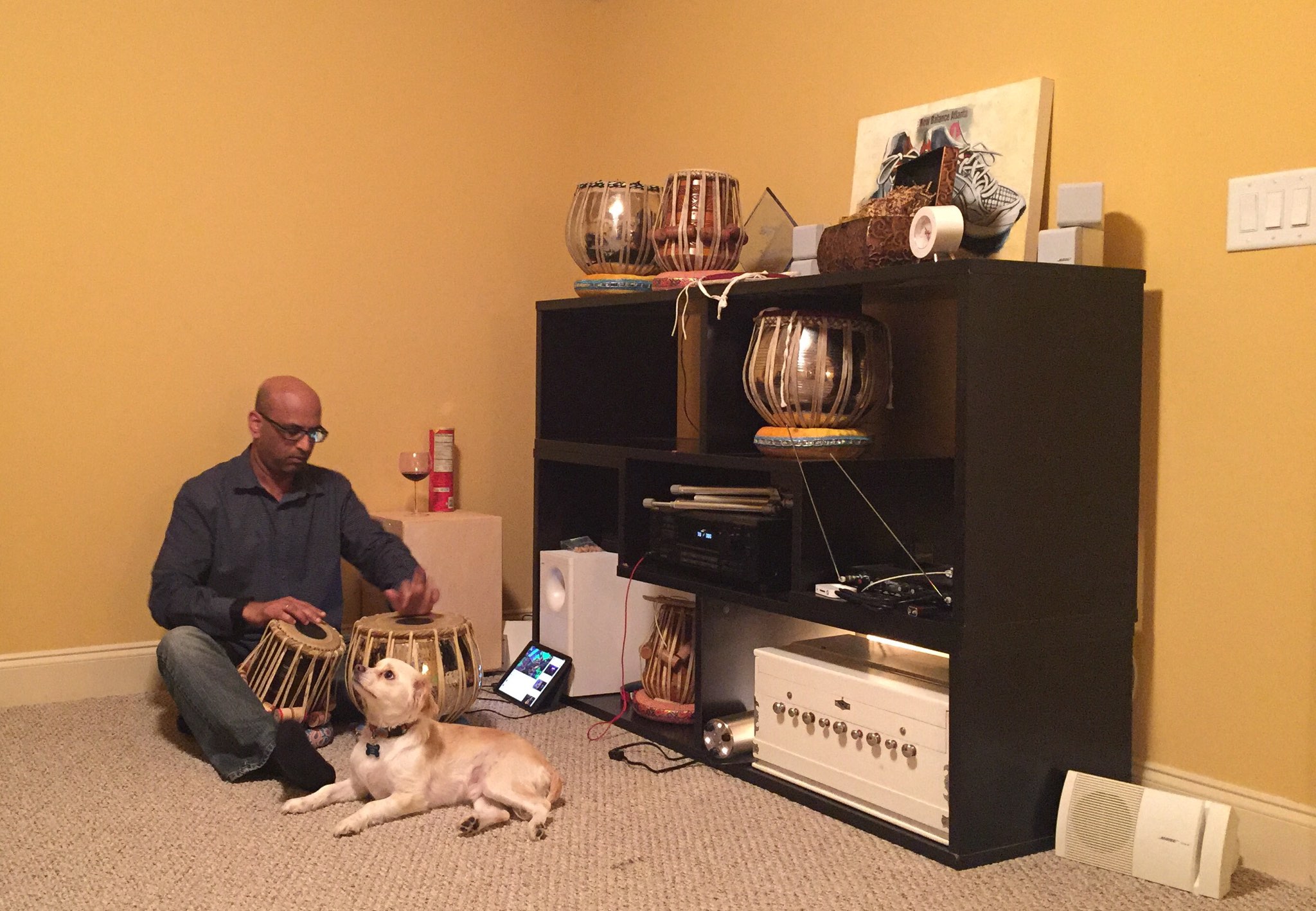
Saturday evening…
3 December
2016
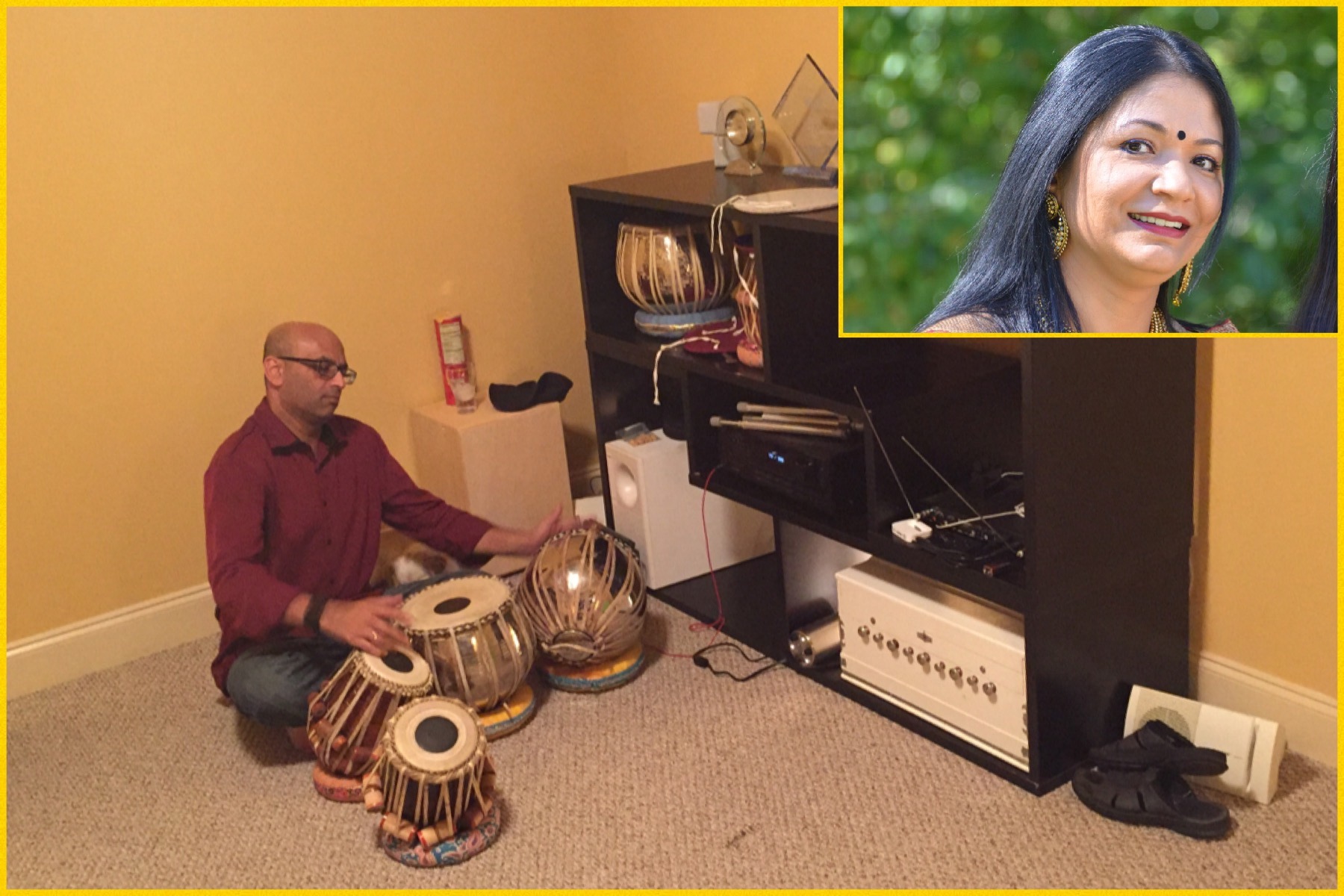
Friday evening decompression…
5 November
2016
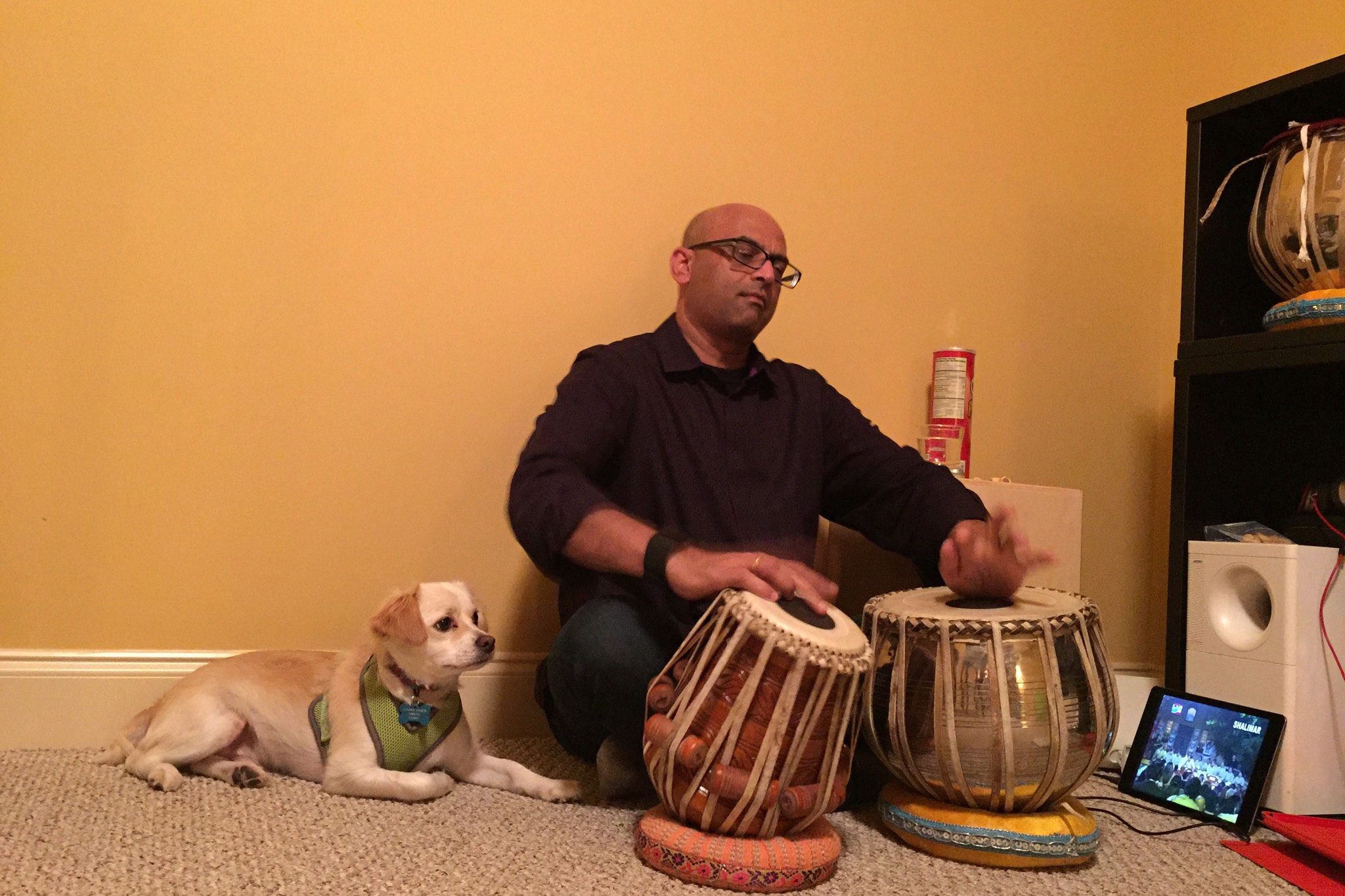
Friday evening decompression
I do not know who the original poet but this is of the category Bhajans and one of the original singers of this is Meera – who dates back to the early sixteenth century.
“Saanson ki malaa pe simrun main pee ka naam
Apne man ki main janoon aur pee ke mann ki Ram”
Roughly translated…
“With every breath I breathe, I take the name of my beloved
I know my heart (what it desires), and God knows of the heart of my beloved (what she desires)”
29 October
2016
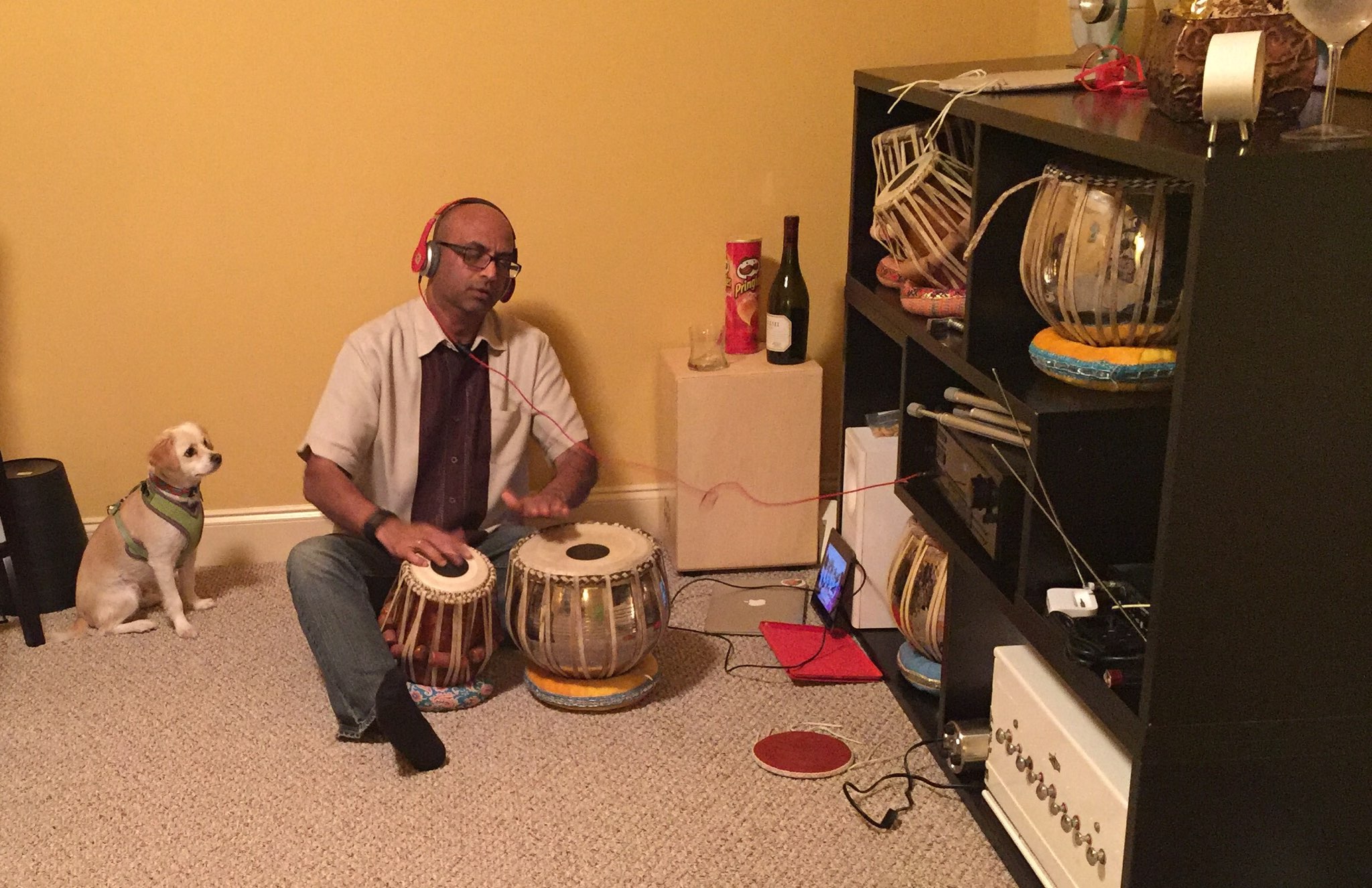
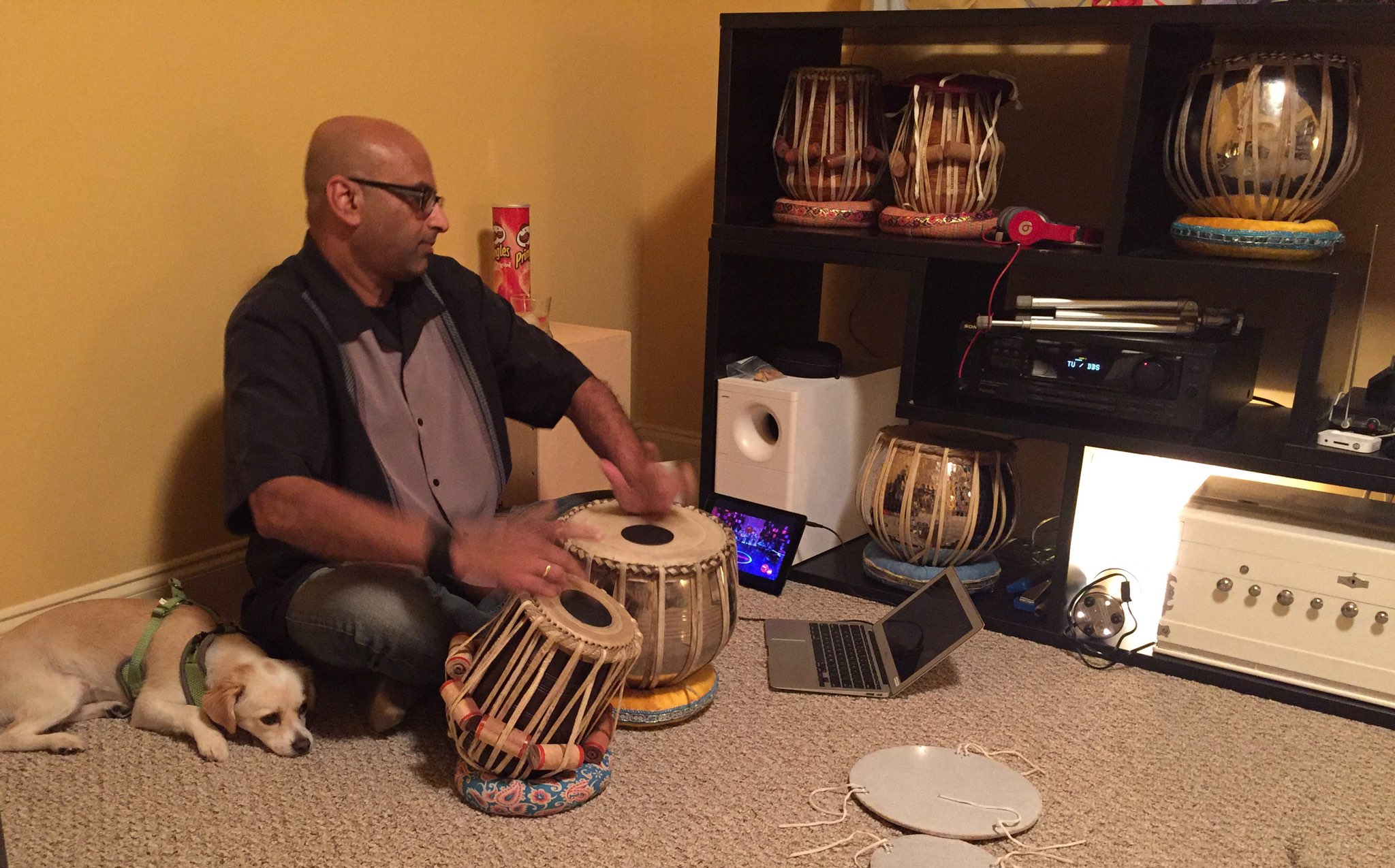
Another hectic week. Another Friday evening decompressing with Jay Jay.
This one is my Ghulam Ali..
Karte Hain Mohabbat Sab Hi Magar
Har Dil Ko Sila Kab Milta Hai?
Aati Hain Baaharein Gulshan Mein
Har Phool Magar Kab Khilta Hain?
Roughly translated…
Everybody falls in love, but
How many hearts reach what they seek?
Spring comes and visits every garden, but
How many buds really get to bloom?
22 October
2016
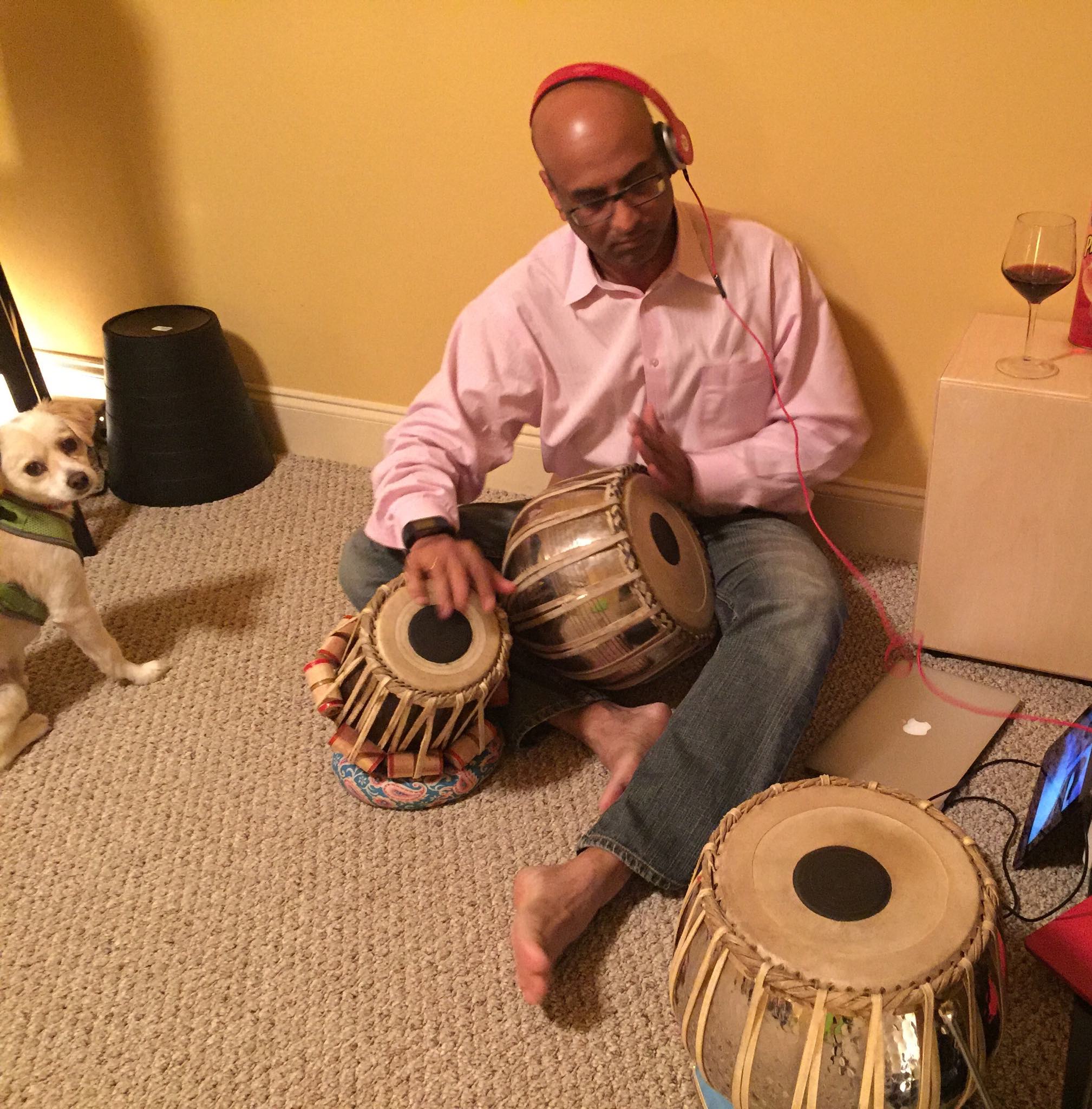
Friday night decompression…
Today’s featured song is one from Kabir. Kabir was a 15th century mystic poet from India. The song is sung by Nirali Kartik and Mooralala Marwada (under the aegis of the group Maati Bani). This is a song of the Banjaras – the tune is typical of them. The original nomadic tribes that started from Arabia eventually reached various parts of the world – the ones that went to Romania and now Europe are often referred to as “gypsies”. The ones that made it to India are often called (among other names) “Banjara”. Banjara also refers to the distinct (folk song) music they sing to.
“Chakki chal rahi, Kabira baitha royee
Dono pud ke beech me saajha na nikle koi
Chakki chal rahi Kabira baitha joye
Khoonta pakdo nij Naam ka, to sajha nikle jo soyee”
Chakki refers to a millstone (used to grind grains). It metaphorically refers to the grindstone of Time.
Khoonta refers to the middle hub (axis) of the hubstone that does not move.
Dono pud – this refers to the two stones in a millstone. Metaphorically, it refers to the Heaven and Earth
Roughly translated (adapted from somebody else)
…
The millstone (of Time) grinds on, Kabir weeps (watching the inevitable)
Between the two stones (wheeling heaven above and turning earth below) no one escapes unscathed (like the grains between the millstones)
The millstone grinds on, Kabir still sits there watching
Grab hold of the hub (of the millstone) of the name (soul) that is yours, (for) that is the path to your deliverance.
15 October
2016
Weekly decompression
This week’s featured song is “Baisara Beera”. It is a Rajasthani song; like every other Rajasthani song, it has a lovely haunting tune. And like every other Rajasthani song, I am clueless about the meaning of the words. I think here the lady is addressing her husband and asking him to take her to her father’s house because she is missing him.
In fact, I think “Baisara Beera” is one of the traditional ways of addressing your husband in Rajasthan. This is long time back when a woman would not address her husband directly. “Baisara”, I believe is sister in law. And “Beera”, I know is brother. So she addresses him indirectly – “My sister in law’s husband”! I remember my grandfather used to address my grandmother similarly indirectly – like “Manju-r Ma”!! (Manju is my mom’s name – and Ma means mother).
Going back to the song, while it is a Rajasthani Song, it is sung by two Assamese singers – Angarag Mahanta (Papon) and Kalpana Patowary. and later in the song, they mix in some Assamese folks songs too.